WORLD NEWS
A 70cm trace sets Japan’s Jurassic dinosaur-footprint record
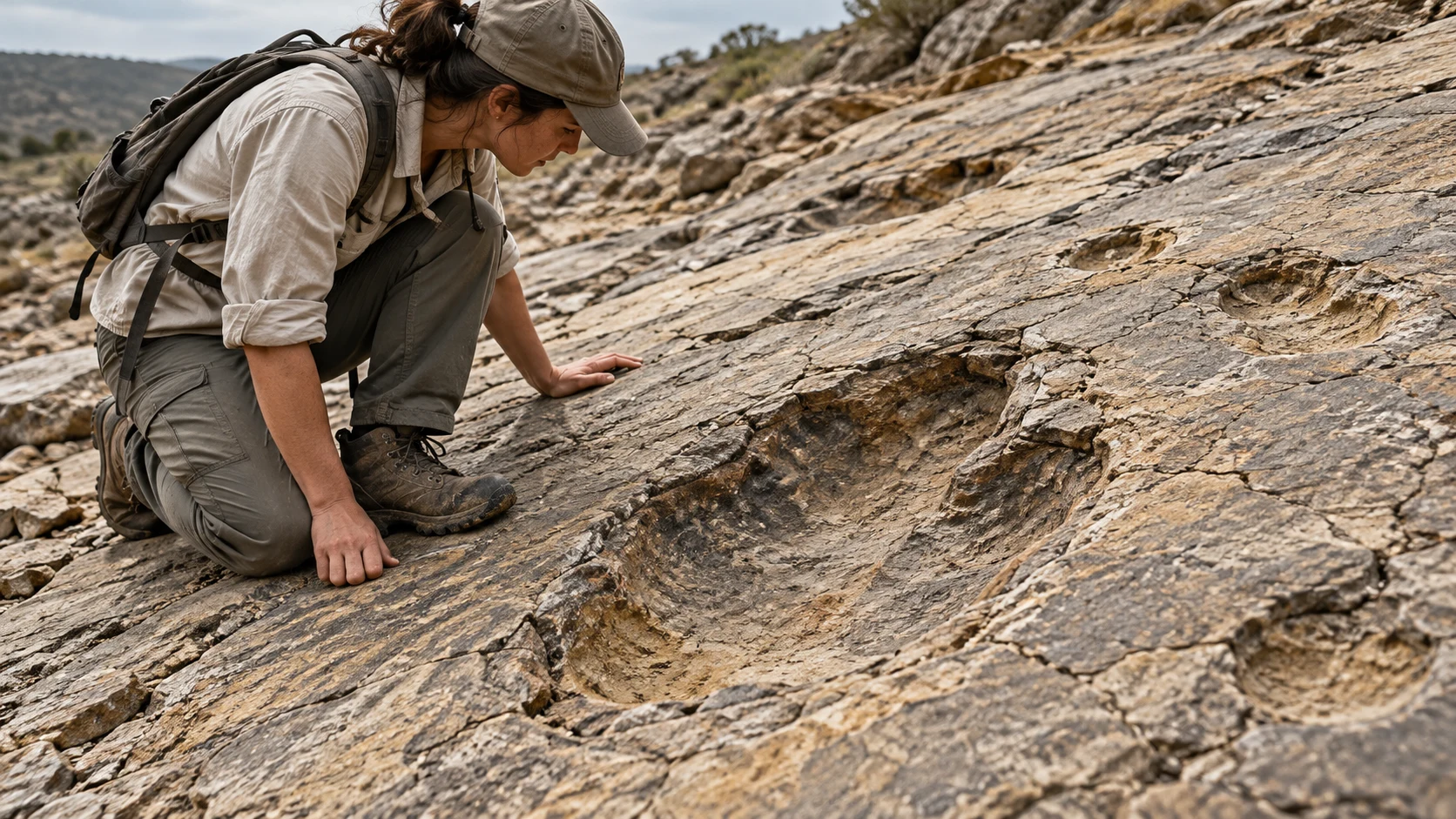
Minamisoma in Fukushima, Japan, reports a dinosaur footprint about 70cm long in the Late Jurassic Tochikubo Formation.
The record is for Jurassic dinosaur footprints discovered in Japan, not the world’s largest footprint or the identification of a new dinosaur species.
What was discovered?
The municipal museum’s team says it found more than ten new dinosaur tracks, doubling the number known locally. Smaller tracks were already documented in the formation. The larger trace and additional impressions expand the evidence for animals that once passed through this area. The city released its announcement materials on October 22 and updated its explanatory page on October 24. Announcement dates should not be mistaken for the day of discovery.
What does 70cm tell us?
It measures the footprint’s length, not the dinosaur’s height or body length. Fukushima TV’s October 25 coverage includes direct comments from a participating curator and describes a large herbivorous dinosaur’s trace. The introductory materials do not establish a species name. A footprint is different evidence from a bone: identifying a particular animal requires more work on shape and relationships with other traces.
Why are tracks valuable?
The museum stresses the scarcity of Jurassic dinosaur fossils in Japan. Even without preserved bones, tracks provide evidence that an animal was active in an area. Finding larger traces extends what researchers can ask of a formation previously known for small ones. More than ten tracks do not establish more than ten dinosaurs; one animal can leave several impressions. Track counts and individual counts must remain separate.
What remains uncertain?
Species, body size, movement and the detail of the ancient environment remain research questions. Local coverage says the large trace emerged on the fifth excavation day, not that the entire search lasted five days. The museum dates its full-scale project to fiscal 2025. Follow its research materials for later findings. The published information does not provide visitor permission or a safe route to the rock face, and should not be treated as directions to enter the site.
Primary sources and independent checks
Primary: approximately 70cm, the Japanese Jurassic scope, more than ten new tracks and project history: Minamisoma City Museum · 2026-10-24
Separate reporting: curator interview and excavation context, not a second fossil assessment or species identification: Fukushima TV / FNN · 2026-10-25
Read in other languages
한국어 · English · Español · 日本語 · Tiếng Việt