WORLD NEWS
Swift rescue craft came within 12–15 km, but could not save the telescope
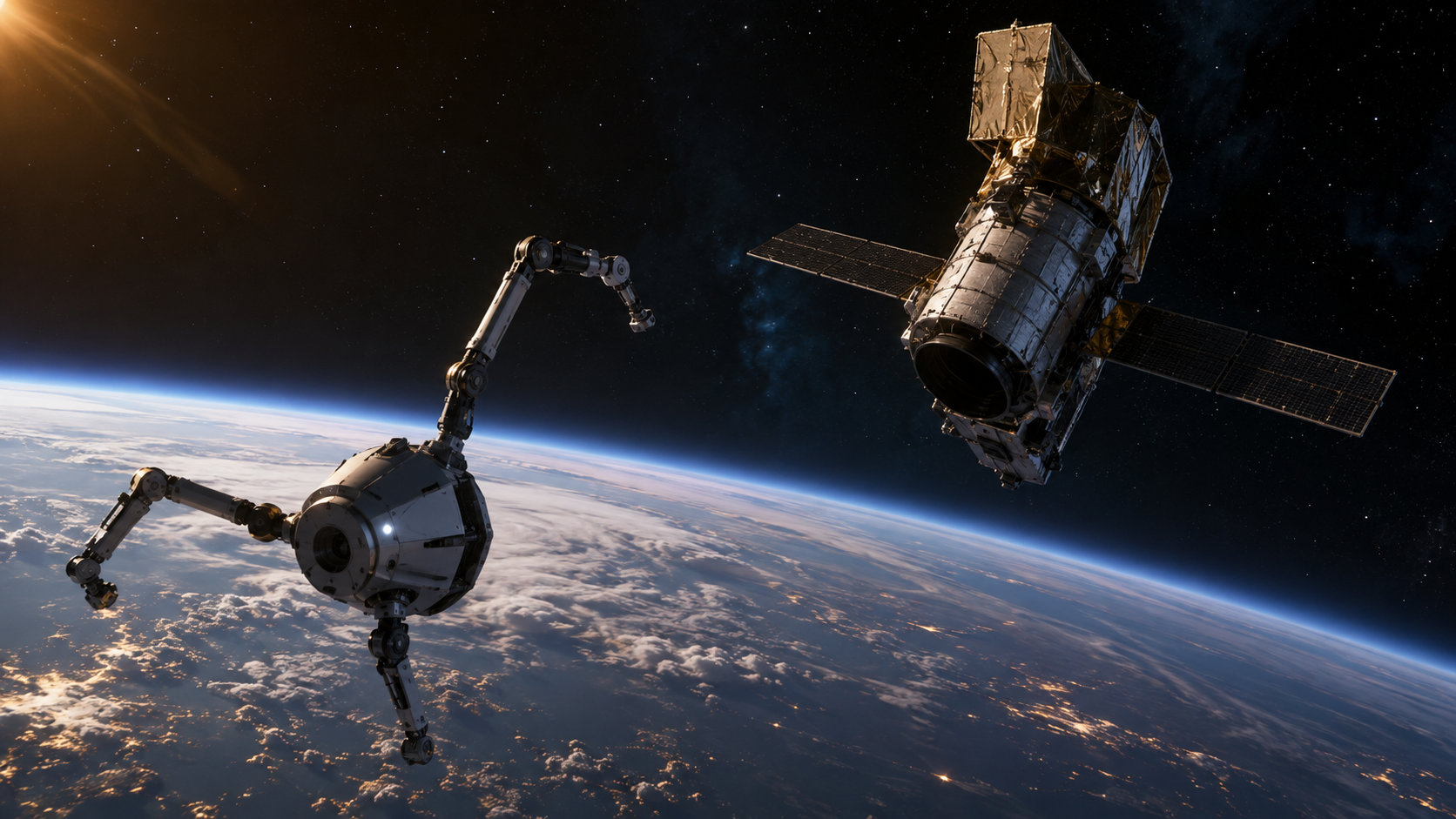
A troubled rescue craft reached its target’s neighborhood but never touched it. Katalyst Space’s LINK came within 12–15 km of NASA’s Swift telescope and tested three robotic arms and three electric thrusters, but attitude-control problems cancelled capture and orbit raising.
Swift was not rescued and the two spacecraft did not make contact. NASA says LINK will make no closer approach; the remaining work is a non-contact demonstration for future satellite servicing.
What was the original plan?
Swift has studied gamma-ray bursts since 2004 but lacks propulsion as drag lowers its orbit. NASA awarded Katalyst a $30 million contract in 2025 to grab and raise it.
Why was the rescue cancelled?
LINK developed attitude-control trouble, spinning and losing reliable communications. Engineers regained partial control, but safe capture and fuel margins were insufficient, so the boost was cancelled on August 19.
What did the close approach prove?
LINK aligned its orbit, approached to 12–15 km, deployed all three arms and fired all three xenon thrusters together. It collected proximity data without attempting contact.
What happens to Swift?
Some science operations resumed, but the orbit continues to decay. The re-entry date depends on solar activity and atmospheric density and should not be stated as exact yet.
What value remains?
The fast-built commercial mission gathered real data near an uncooperative aging satellite. It also demonstrates why actuator redundancy and conservative abort criteria matter.