WORLD NEWS
The $790 billion benefit of repealing U.S. vehicle emissions regulations turns into a $670 billion cost if we change three assumptions.
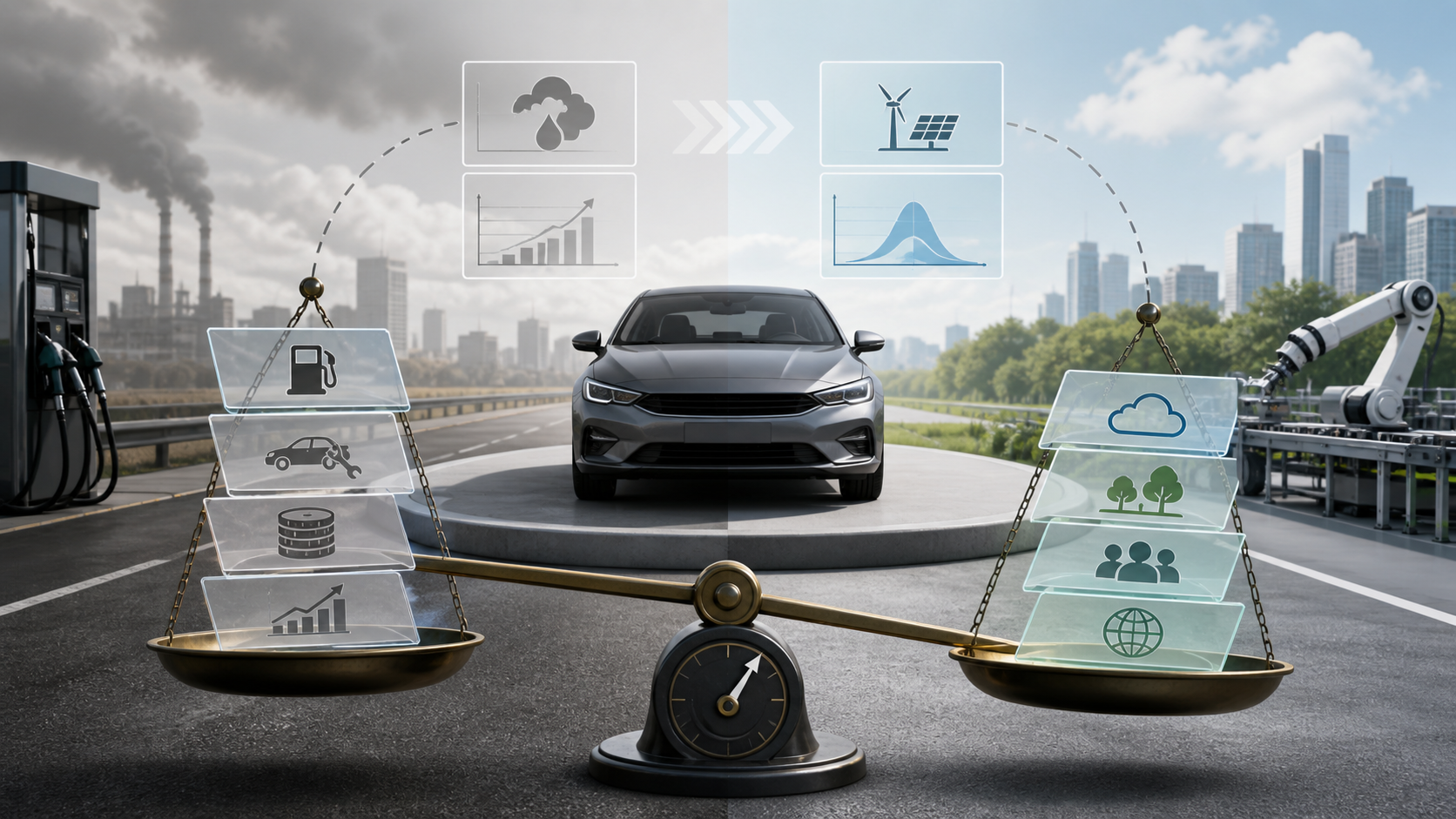
As a result of economists re-examining the cost-benefit calculation of the US EPA’s abolition of vehicle greenhouse gas regulations, the net benefit of $790 billion based on a 3% discount rate was overturned to a net cost of $670 billion when the assumptions of the value of fuel savings, technology costs, and reduced driving were changed. The difference is approximately $1.46 trillion.
That doesn’t mean the court has struck down the deregulation or that the new government’s official figures have been confirmed. The economic analysis published in Science is the result of a recalculation of EPA’s 2027-2055 model on a different basis, and legal authority and actual market response are separate issues.
What changed the results the most?
The EPA viewed the future fuel cost savings of efficient cars that consumers do not fully reflect in current prices as effectively hidden performance losses. The new analysis pooled existing research and divided about 55 cents of the difference into consumer inattention, 23 cents from actual attribute trade-offs, and 22 cents from perceived value.
Why do the same families conflict with each other?
When calculating vehicle technology costs, the EPA model assumed increased fuel efficiency without sacrificing weight, power, and comfort. However, when calculating why consumers undervalue fuel savings, we considered that improved fuel efficiency harms this attribute. The researchers pointed out that both assumptions cannot be used simultaneously.
Is it a benefit to drive less?
If you give up driving due to high fuel costs, you will spend less, but the value of the trip or commute you wanted to take will also disappear. The researchers found that the EPA calculations accounted for the money saved in benefits and did not sufficiently subtract the value of forgone trips. If you modify this item and the fuel price scenario together, the results will change even more.
What is the range of 790 billion and 670 billion?
The two numbers are a 3% discount rate scenario that converts costs and benefits from 2027 to 2055 into present values. This does not mean that cash comes and goes all at once. EPA’s official analysis also includes different discount rates and scenarios, giving a wide range of results, with GAO’s estimates ranging from $180 billion in net costs at 3% to $920 billion in net benefits.
What remains in policy?
The new analysis argues that the economic logic is overturned even before the $1.8 trillion worth of benefits from reducing climate and air pollution can be restored. However, model assumptions remain subject to counterargument and court review. Readers should view the EPA raw analysis, the Science paper, and GAO’s rule summary together.