WORLD NEWS
A vaccine built from one cancer’s blueprint reaches its first UK patient
NEOVACC, a DNA vaccine designed from the unique mutations in one patient’s tumour, has been administered to its first UK patient.
This is a first-in-human study in a narrowly selected group with existing lung cancer; it is testing safety and immune response and has not proved that the vaccine treats cancer.
Why every vaccine is different
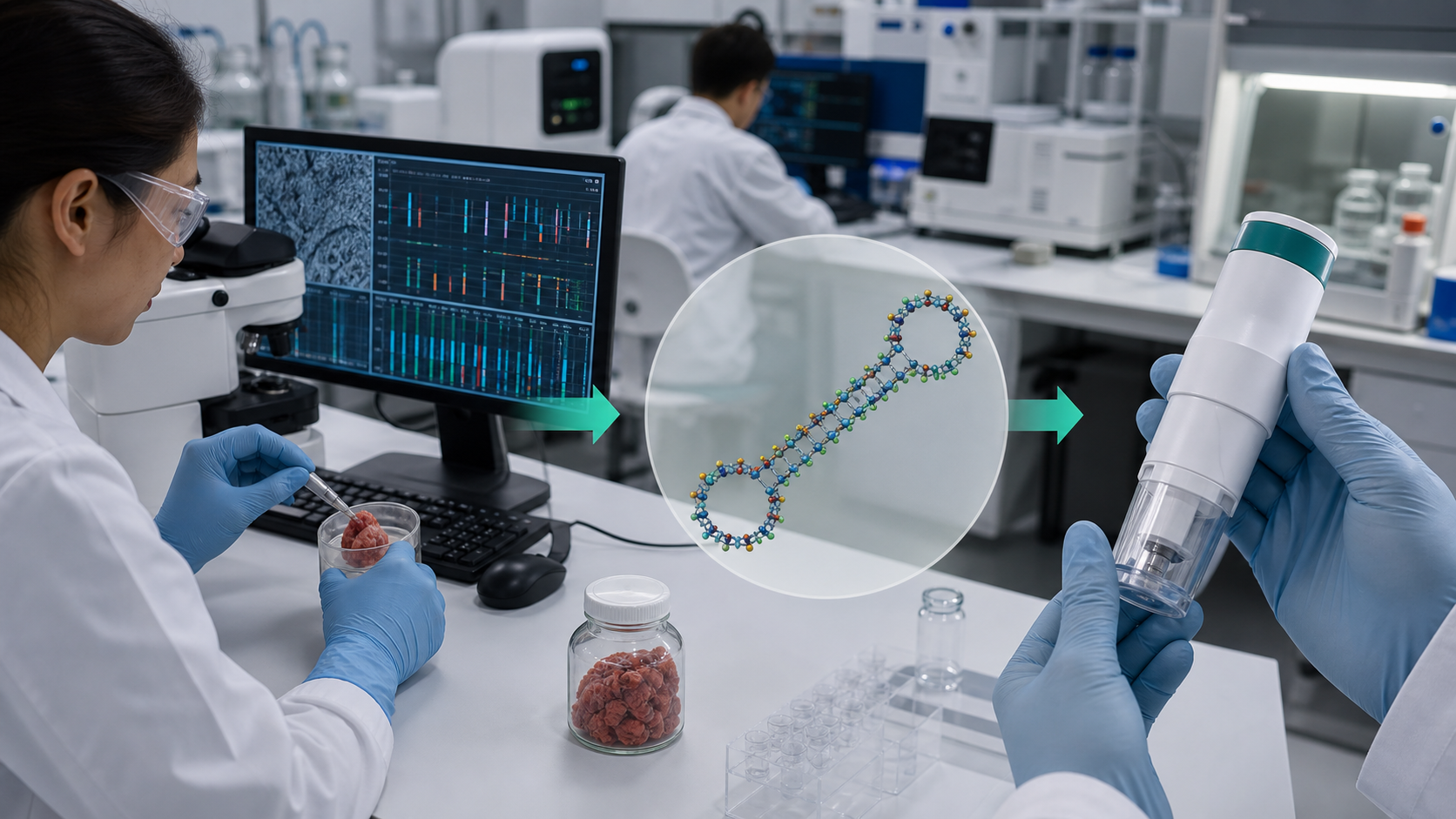
Researchers compare DNA from a tumour biopsy with normal cells, then use computation to select tumour changes that the immune system may recognize. Those targets become one patient’s vaccine design.
Two people with the same diagnosis can have different mutation combinations, so this is not a standard preventive vaccine given identically to everyone.
What doggybone DNA means
The target instructions are placed in linear closed DNA made enzymatically without bacterial fermentation. Its closed ends give the doggybone DNA platform its name.
A needle-free injector delivers it into muscle. The registration schedules dosing every three weeks for 24 weeks and then every six weeks alongside pembrolizumab.
Who the trial is for
Eligible adults have advanced or recurrent non-small-cell lung cancer, PD-L1 expression of at least 50%, and disease not cleared by standard anti-PD-1 treatment.
People with rapidly progressing disease who cannot wait for manufacturing, or those already in complete response, are among those excluded. It is not generally available care.
What the first dose proves and does not prove
The administration shows that biopsy, target selection, individualized production and delivery can reach a patient. Blood and repeat biopsies will test immune recognition and monitor adverse effects.
There are no results yet for tumour shrinkage, relapse prevention or survival. A personalized design is not itself evidence of clinical efficacy.
What to watch next
The study will examine whether vaccine-induced T cells recognize the selected cancer targets. The official registry lists the trial as ongoing and no results publication is available.
Safety, manufacturing time, actual enrollment and immune-response data will determine whether a larger efficacy trial is justified.
Official primary sources
Primary source: UK Research and Innovation first-patient announcement
Primary source: UK Health Research Authority NEOVACC summary
Primary source: ISRCTN11752949 official trial registration
Primary source: Clatterbridge Cancer Centre trial announcement