WORLD NEWS
Global hunger is down, but healthy diets remain unaffordable for 2.7 billion people
SOFI 2026, issued by five UN agencies, estimates that global hunger fell for a third straight year to about 645 million people in 2025. But about 2.69 billion people still could not afford a healthy diet, showing that the food problem is also about cost and nutrition access.
This briefing uses official source material checked on 24 July 2026. It separates the encouraging decline in hunger from the larger affordability problem that remains.
What Changed
SOFI 2026 estimates 2025 global hunger at about 645 million people, or 7.8% of the world population. The rate was 8.1% in 2024 and 8.6% in 2022, so the global average has improved, but that does not mean hunger has been solved.
The Key Numbers
The same report says about 2.1 billion people, or 25.8%, faced moderate or severe food insecurity in 2025. The average cost of a healthy diet was 4.28 PPP dollars per person per day, and 2.69 billion people, or 32.7%, could not afford it.
Why It Is Not Only Good News
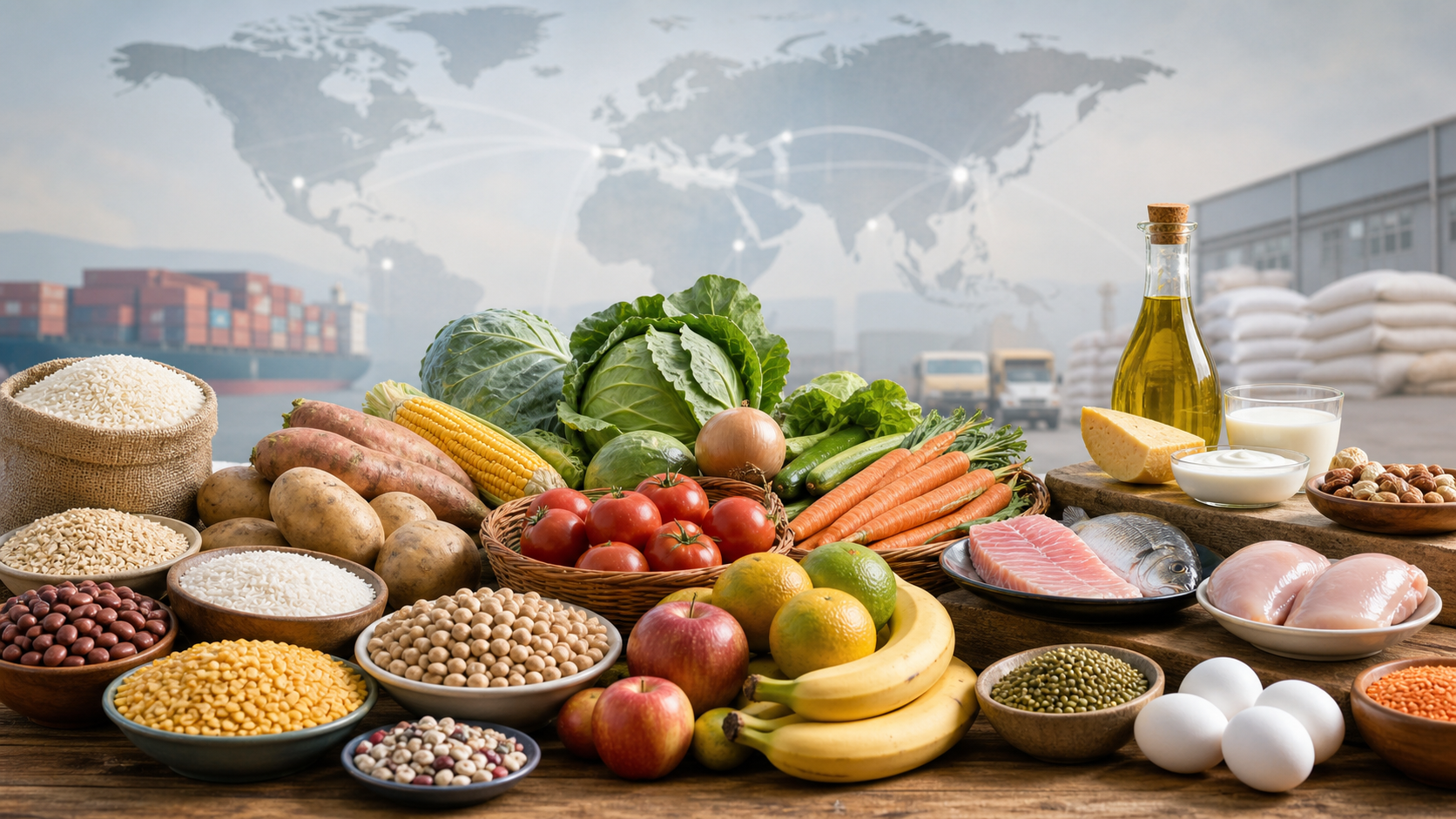
A lower hunger count can coexist with poor diet quality. People may obtain enough calories but still lack a nutritious mix of foods when distribution, processing, retail margins, and purchasing power keep healthy diets expensive.
Where The Gap Is Largest
Africa is the sharpest warning in the report: 66.6% of people there were estimated to be unable to afford a healthy diet. The global average therefore has to be read beside regional income, price, and supply-chain conditions.
Next Checks
SOFI combines surveys, national data, and modelling. It also notes that some 2026 conflict and El Nino-related weather risks are not fully reflected, so the next checks are the 2027 SOFI data and regional food-price and nutrition indicators.
Official Sources
FAO release: 2025 hunger, food insecurity, and healthy-diet affordability figures
FAO SOFI 2026 page: report scope and joint agency record
WHO joint release: matching SOFI 2026 figures and healthy-diet access framing