WORLD NEWS
Mammoth and big cat DNA found in 700,000-year-old squirrel poop
DNA from plants, mammoths, bison, horses, and big cats that formed an ecosystem up to 700,000 years ago was identified in frozen ground squirrel droppings in Yukon, Canada.
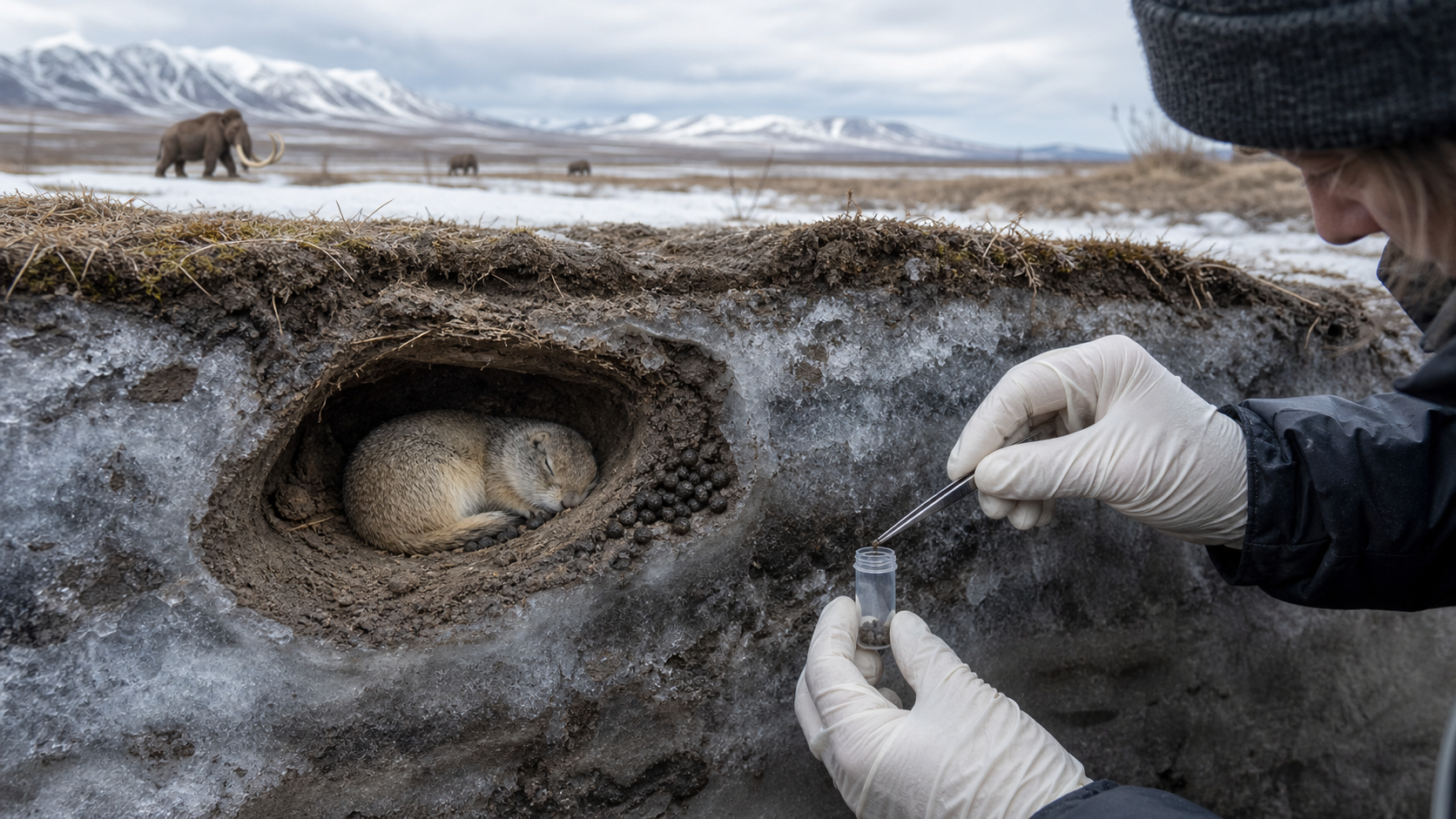
This does not mean that the squirrel ate all of these large animals, but it is a record of the food, surrounding soil, and environmental DNA that entered the burrow being preserved together.
What did you analyze?
The researchers analyzed 13 samples of feces from old ground squirrel burrows in the Yukon’s Klondike region. The oldest specimens are linked to a volcanic ash layer that dates back about 688,000 years. Oysters sealed in permafrost keep their excrement and food stores frozen for long periods of time.
What creature was caught?
The DNA list included more than 200 plant groups, microorganisms and insects. There were also big cat signals interpreted as descendants of mammoths, horses, steppe bison and the extinct American cheetah. The specimen served as a small time capsule containing the squirrel’s intestinal microorganisms and the surrounding ecosystem at the time.
Why can there be more information than bones?
Bones mainly leave genetic information about an individual, but excrement contains traces of what was eaten and other living organisms mixed in from the surrounding area. The study found that some specimens had better preserved eukaryotic DNA than bones or sediments from the same region. However, this does not mean that excrement is always better preserved.
Is 700,000 years an accurate birthday?
The age of the oldest specimens is not based on exact daily measurements of the excrement itself, but rather based on the surrounding volcanic ash and geological layers. Some samples did not have a finite direct date, and the researchers separately examined contamination and the possibility of DNA migration.
What new can you learn?
Comparing diet and species composition across multiple ice ages allows us to track how ecosystems have changed in response to climate change. The researchers also provided evidence of two populations of ground squirrels that have not yet been genetically described, but more samples are needed to confirm separate species.