WORLD NEWS
Dragon brings space station experiments back to Earth off California
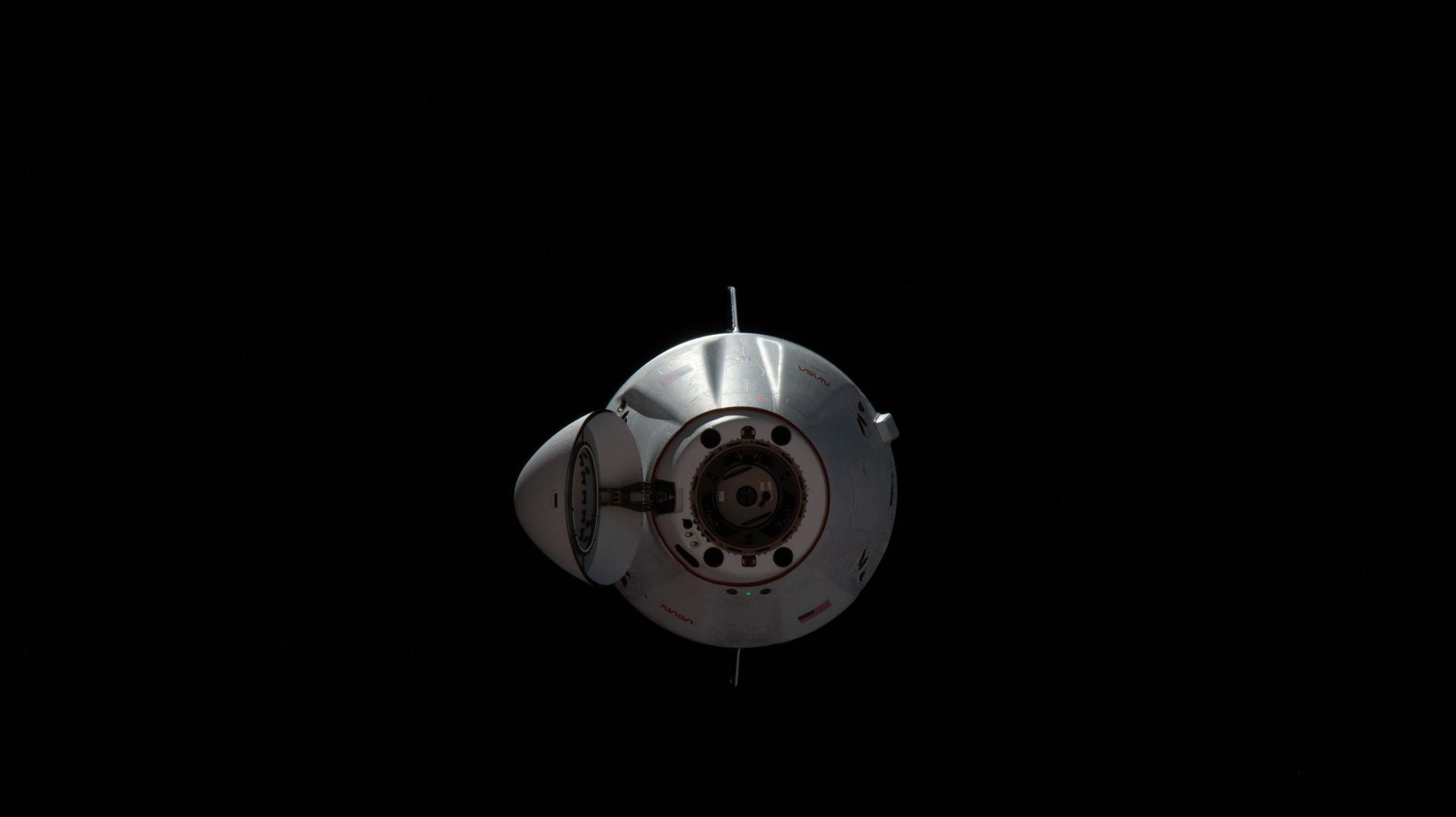
SpaceX’s uncrewed Dragon splashed down in the Pacific off California on November 21 local time, carrying experiment samples from the International Space Station.
The samples and equipment are for analysis on Earth; their return does not prove that a new treatment works.
How long did the trip home take?
Dragon launched on October 13 and reached the station on October 15. It left the station on November 20 and splashed down near Los Angeles about 29 hours later. In South Korea it was already November 22.
CRS-35 was SpaceX’s 35th commercial resupply mission for NASA. The more than 6,300 pounds of cargo, about 2.86 metric tons, refers to food, gear and other supplies delivered to the station in October. That figure does not describe the cargo brought back to Earth.
Why bring back models of blood vessels and tumors?
One of the returned samples was a model of a blood vessel made with a 3D printer. Researchers use it to study how blood vessels age in space and on Earth and to learn more about diseases of the heart and blood vessels.
Small lab-grown tumor models that had been treated aboard the station also came back frozen. They are samples researchers can examine on the ground, not treatments ready for patients.
What was the lighting system there to test?
Dragon also returned a lighting system that had been aboard the station for more than three years. Researchers used it to test whether light could help astronauts sleep and feel better on long missions.
Those three-plus years describe how long the system was aboard. They do not mean one astronaut took part for three years or that the lighting was found to improve sleep.
What happens after the capsule comes home?
Back in a ground lab, researchers can examine the physical samples alongside the data collected in orbit. That is why the end of the cargo flight is not the end of the experiments.
NASA’s return update says what came back but does not give a date for results. To judge any effect, look for later research that shows what the samples were compared with and what changes were measured.
Primary sources and independent checks
NASA’s return update lists the splashdown location and the samples and equipment that came back: NASA — Mark A. Garcia
Independent mission coverage checks the roughly 29-hour return and the weight of cargo delivered to the station: Space.com — Mike Wall