WORLD NEWS
The 2026 Arctic minimum was 4.60 million km², tied tenth lowest
It tied 2008, 2010 and 2025; all 20 lowest extents in the record occurred in the last 20 years.
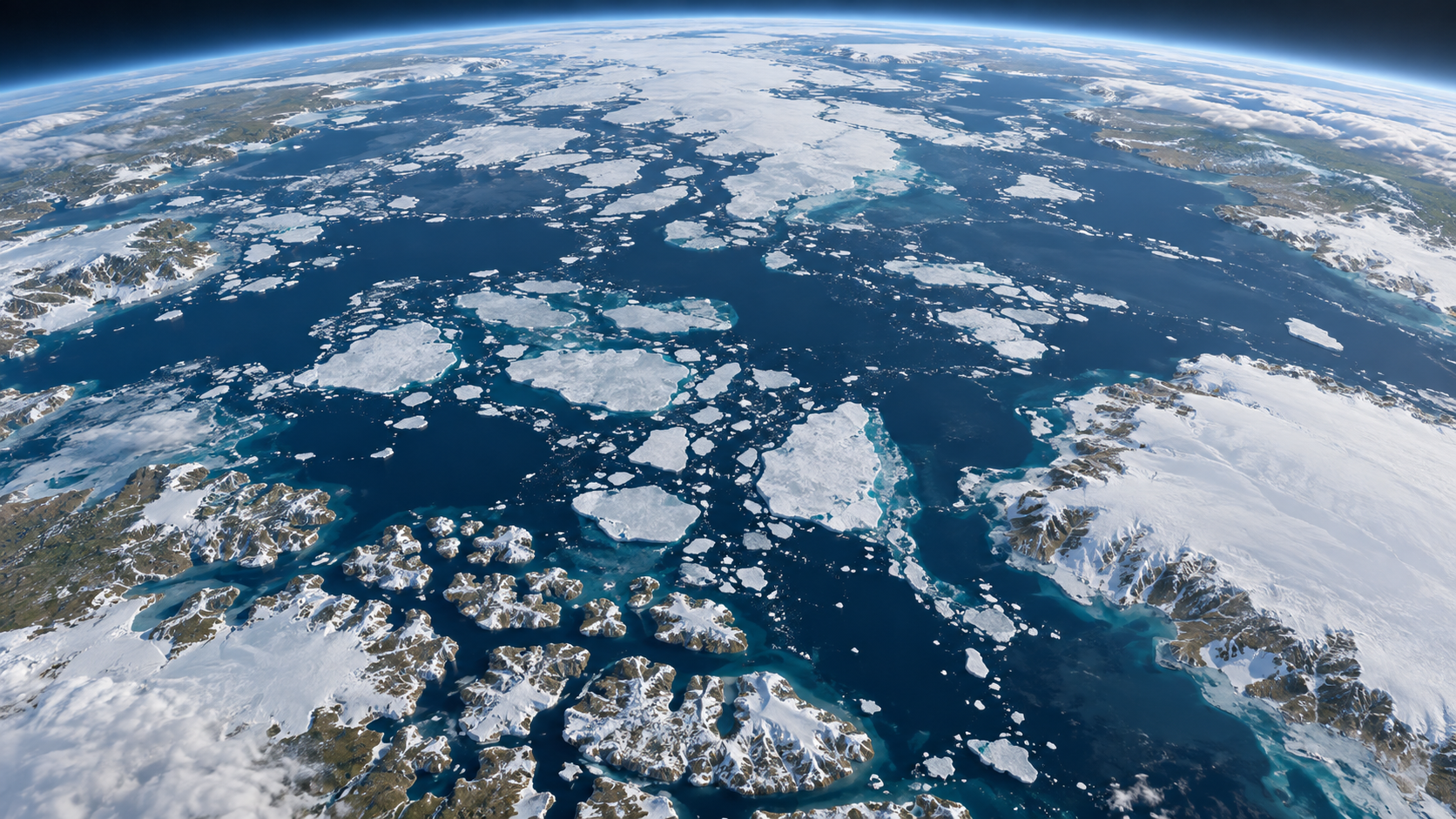
Despite a relatively cool Arctic Ocean summer, unusually loose ice extended toward the North Pole.
Extent is not ice area
Extent counts every satellite grid cell with at least 15% ice concentration. It is not the actual ice-only area or thickness.
Why tenth matters
Weather strongly affects one year’s rank. The longer record remains far below earlier decades, with the last 20 years occupying all bottom 20 places.
Do not mix hemispheres
Antarctic ice likely peaked at 17.59 million km² on 14 September. Its seasonal maximum is not directly comparable with the Arctic minimum.
Next check
NSIDC plans a fuller early-October analysis. Final rank, thickness, regional concentration and multiyear ice should be assessed together.
Primary source and independent checks
Primary source: NSIDC 2026 minimum release
Institutional explanation: NASA Science report
Independent check: NSIDC Sea Ice Index tools
Read in other languages
한국어 · English · Español · 日本語 · Tiếng Việt