WORLD NEWS
Japan cuts the default speed limit on residential roads from 60 to 30 km/h — not every road is covered
Starting September 1, Japan lowered the legal maximum speed for automobiles on residential roads without center lines or vehicle traffic zones from 60 km/h to 30 km/h. This is a major change in the basic rules that apply on narrow residential roads without separate speed signs.
Not all public roads in Japan have changed to 30 km/h. In places where there are center lines, lanes, median separation facilities, or automobile-only roads, the existing legal speed is maintained, and if there is a speed sign, the designated speed on the sign takes precedence.
On which roads is 30km/h the default?
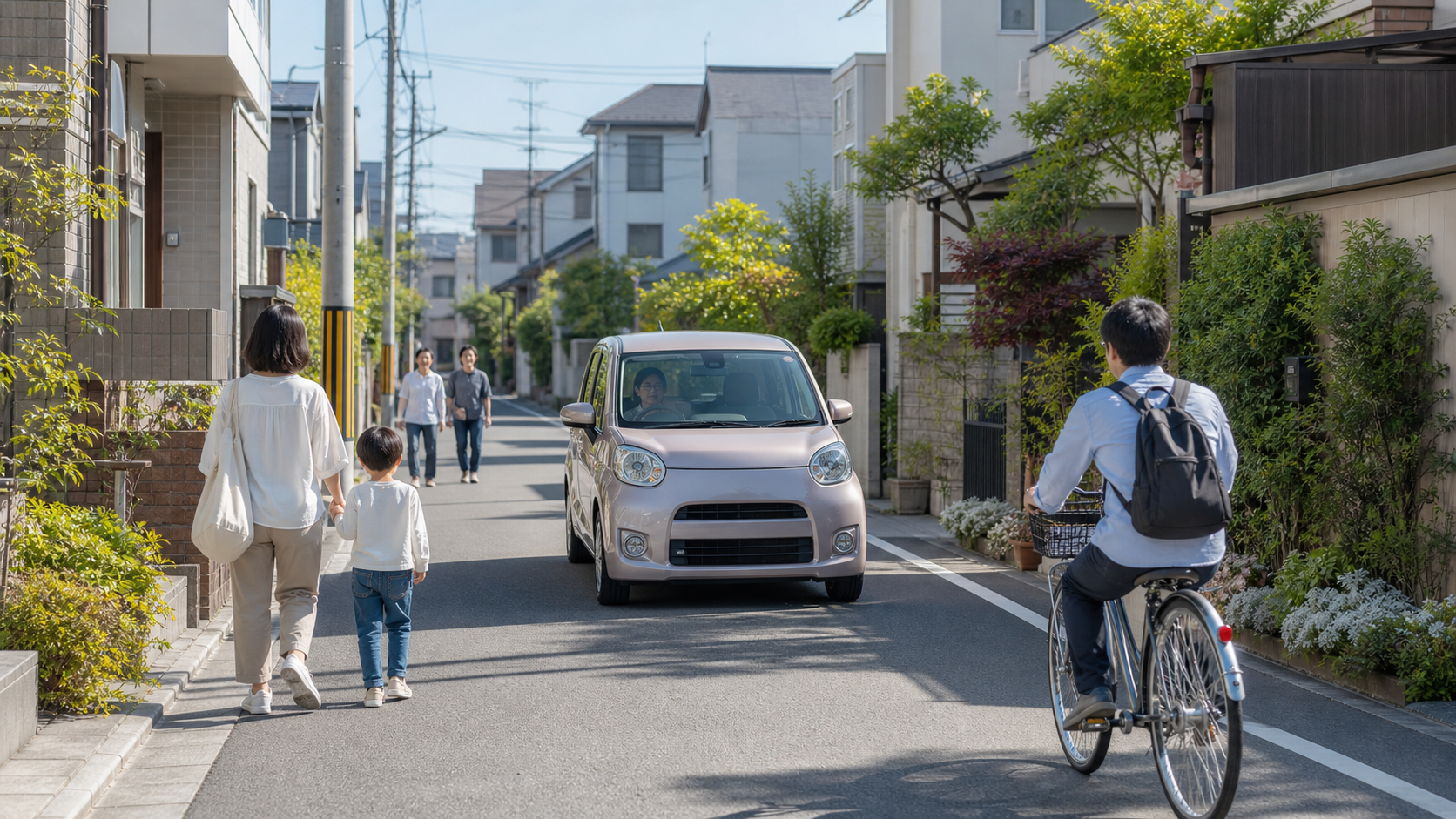
Among the roads used in the daily lives of residents, the main targets are general roads with no center lines, no vehicle traffic zones, and no facilities to divide the two directions. Until now, unless there were separate signs, the legal maximum speed for cars was 60 km/h, but the revised enforcement ordinance lowered the default for these roads to 30 km/h.
Some roads change
Existing legal standards continue to apply to general roads with center lines or vehicle traffic zones, roads physically divided into two directions by a median or fence, and automobile-only roads. If there is a top speed sign on site, such as 40 km/h, that designation will take precedence over the new default. Judging only by the width of the road can be wrong.
Why did you lower it by half?
The Japanese National Police Agency cited research results showing that the risk of pedestrian death increases dramatically when car speeds exceed 30 km/h. Residential roads are often places where pedestrians, bicycles, and vehicles mix closely, so it is important for drivers to have time to react and stop.
What should drivers look for?
When entering an unfamiliar residential area, you must look at the center line, lane markings, two-way separation facilities, and speed signs. Because navigation maps or vehicle sign recognition information may not be updated immediately, on-site road structures and signs take priority. Even if you are within the speed limit, you may need to go slower depending on the weather and pedestrian conditions.
What will change after implementation?
Police can continue to promote and crack down, and local governments can implement physical speed reduction measures such as Zone 30 Plus. We need to see data after implementation to see how much actual accidents and average driving speeds are reduced. This article explains changes to the national legal speed limit and does not replace the speed limit for individual roads.