WORLD NEWS
Museum turtle DNA fragment that was not even 1% read, two extinct Galapagos lineages rediscovered
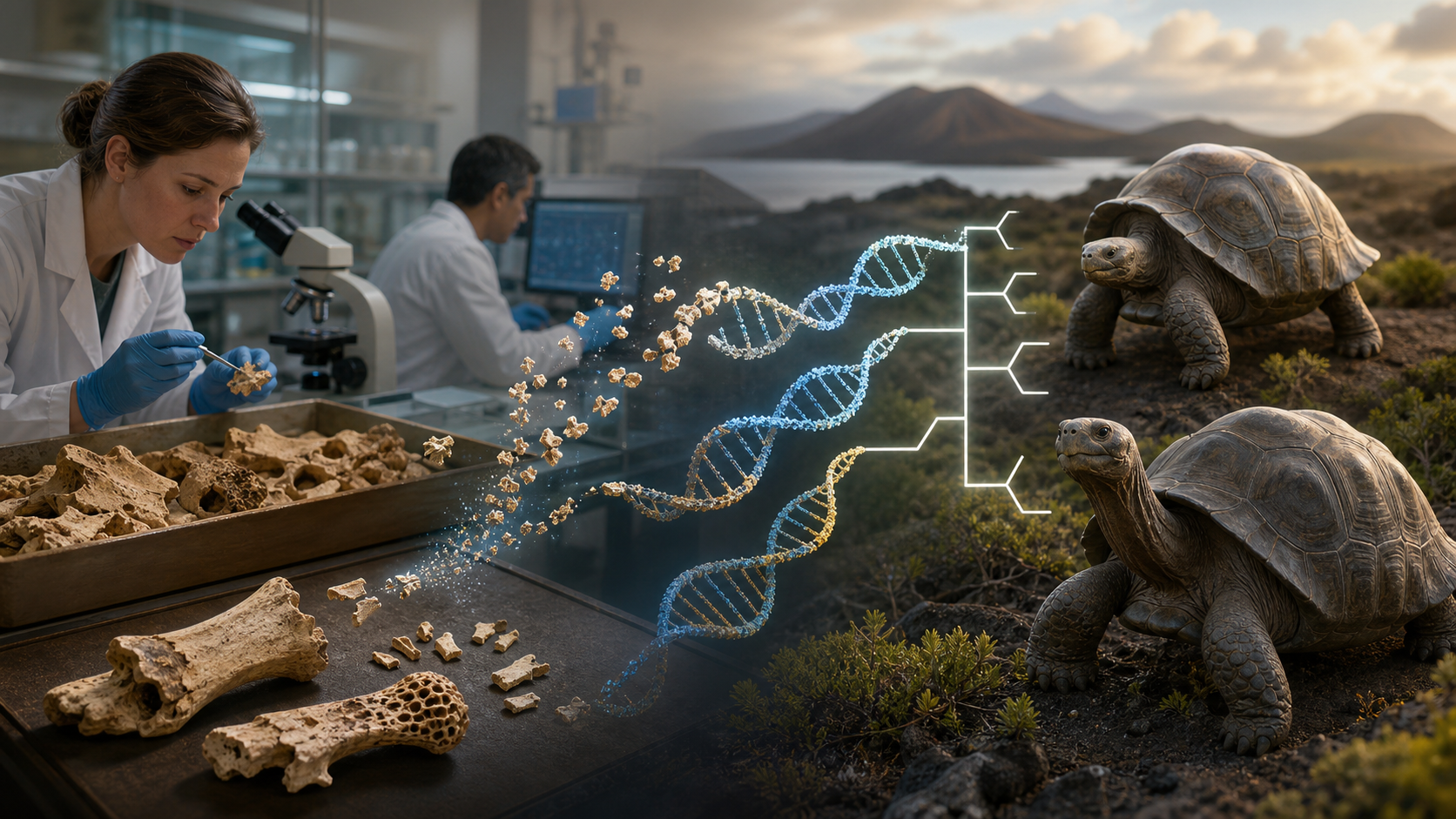
Researchers analyzed remaining DNA fragments from five old museum bones of Galapagos giant tortoises, putting two extinct lineages from San Cristobal and Santa Fe islands back on the phylogenetic tree. Although some samples had less than 1% of their entire genome read, we combined several computational methods to estimate relationships.
This does not mean that we have cloned an extinct turtle or discovered a new living species. This is the result of matching very little genetic information to the standard phylogenetic tree, and it must be separately confirmed whether the genotype remains in living hybrid turtles and whether they can be used for conservation breeding.
Why was DNA from museum bones difficult to read?
Tropical environments and long storage times break DNA into shorter fragments and cause human DNA to mix with surrounding microorganisms. Typically, analyzes discard samples with too many blanks. This study combined several genome estimation tools and compared small fragments on high-quality phylogenetic trees of living turtles and historical specimens.
What specimens were identified?
The research team used the dried bones of five historical specimens belonging to two extinct lineages. The new calculations support that the old cave samples from San Cristobal and the Santa Fe samples belong to different extinct lineages. The San Cristobal lineage was also reported to be different from the current population in a 2022 mitochondrial DNA study.
How did you classify it as less than 1%?
A complete genome was not created from a single sample. For each read position, we calculated the probability of a possible genotype and found the position that most consistently fell on a reference tree created from several already high-quality turtle genomes. Because less information means larger errors, we contrasted methods to see if they supported the same relationship.
What can you do right now to help preserve it?
In the past, sailors transported turtles between islands, and some bred with other strains. So it is possible that genetic fragments from the extinct lineage remained in the living hybrids. However, this study alone did not select the target individuals or confirm the breeding plan. More detailed genome testing of actual individuals comes first.
What is the next confirmation
It remains to be tested whether ultralow-density DNA methods reproduce the same relationships in other samples and species. Nor is the unit called a lineage exactly the same as a legal species classification. Conservation organizations must examine the pedigree, health, and genetic diversity of living individuals before deciding whether to breed them.