WORLD NEWS
A pill that nearly doubles the survival time for pancreatic cancer is not yet a cure.
Daraxonelasib, an oral targeted therapy, nearly doubled the median survival time of patients with previously treated metastatic pancreatic cancer compared to conventional chemotherapy.
This does not mean that a cure has been approved. It is the result of a clinical trial targeting patients with a specific RAS mutation, and has not yet been officially approved in the United States.
Who did you compare and how?
The phase 3 trial divided approximately 500 patients with advanced pancreatic cancer into a group taking daraxonelasib and a group receiving standard intravenous chemotherapy. All were patients whose cancer had progressed after previous treatment. Survival and adverse events were assessed through randomized comparisons.
What does 13 months mean?
Half of the patients in the Darakson Lasib group survived for more than 13 months, while the median survival time for the comparison group was less than 7 months. The median does not mean that all patients live 13 months. It includes both those who lived longer and those who lived shorter.
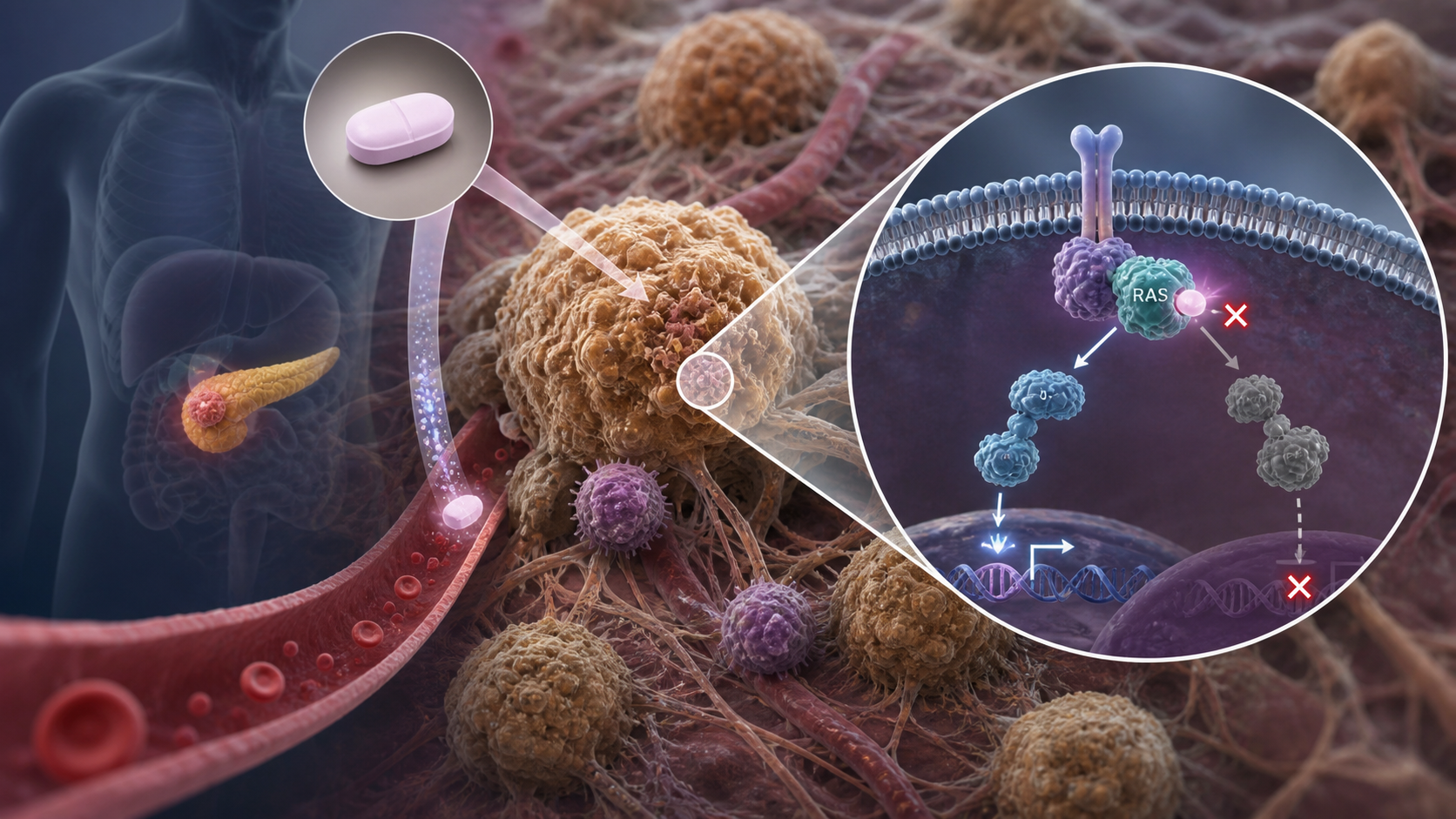
How do drugs work
In many pancreatic cancers, the RAS protein stays on and signals cell growth. Daraxonerasib binds to cellular proteins and blocks active RAS signals. This method circumvents surfaces that have long been considered difficult to target with drugs.
What are the side effects and limitations?
A severe rash occurred in approximately 14% of cases, and diarrhea, nausea, stomatitis and vomiting were also reported. The trial targeted patients with specific molecular types who had previously received treatment. Separate trials are needed to determine whether the first treatment has the same effect for other pancreatic cancers.
Is this treatment available now?
The U.S. Food and Drug Administration has allowed expanded access to some seriously ill patients, but has not formally approved general sales. Patients should check with their healthcare provider about tumor genetic testing and eligibility for clinical trials or expanded access.
official source material
New England Journal of Medicine trial