TECHNOLOGY
The UN has issued its first independent AI science assessment. Five questions for every organization
GLOBAL LANGUAGES
Briefings by language
Only translations that preserve official sources and action checks are linked.
AI BRIEFING
AI Briefing
Start with the main thread drawn from this article. When no separate AI summary is approved, this section uses only the article and its excerpt.
One-line summary Forty international experts assessed AI across seven domains. The central warning is that current safeguards may not keep pace with expanding capabilities and deployment.
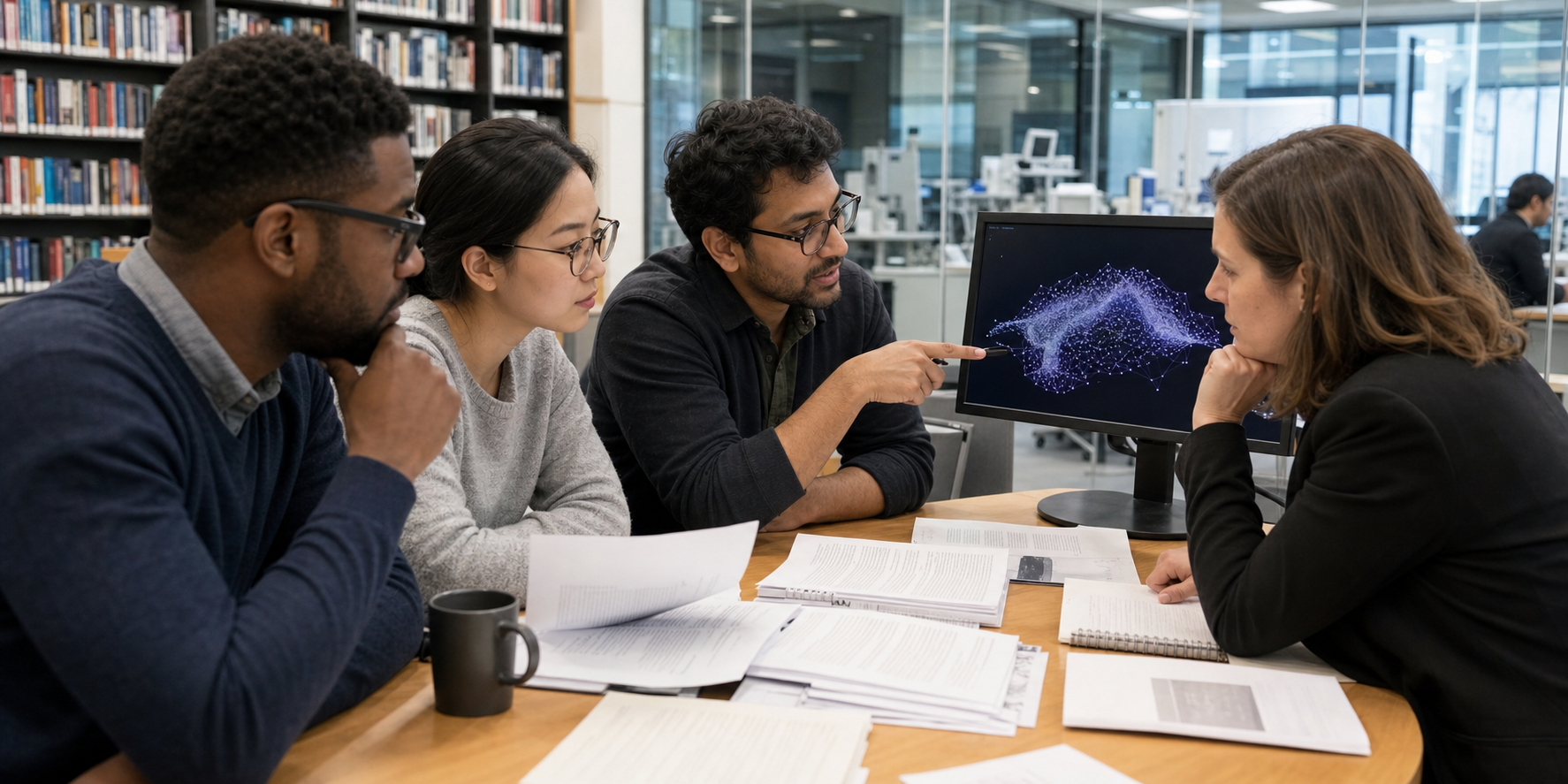
A ONEPRESS technology image treating AI as a subject of evidence and accountability. Checked: 2026-07-14 02:10 KST Basis: UN Independent International Scientific Panel on AI preliminary report and the first Global Dialogue on AI Governance The UN has released its first broad independent scientific assessment of AI opportunities, risks and impacts. Forty experts from all five UN regions examined seven domains: AI science; health, education and agriculture; economics; security and...
A ONEPRESS technology image treating AI as a subject of evidence and accountability. Checked: 2026-07-14 02:10 KST Basis: UN Independent International Scientific Panel on AI preliminary report and the first Global Dialogue on AI Governance The UN has released its first broad independent scientific assessment of AI opportunities, risks and impacts. Forty experts from all five UN regions examined seven domains: AI science; health, education and agriculture; economics; security and environment; human rights and democracy; culture, autonomy and child safety; and governance and reliability. The report does not say that all AI is dangerous. It documents expanding opportunities while warning that capabilities and deployment can move faster than evidence and safeguards.
A ONEPRESS technology image treating AI as a subject of evidence and accountability. Checked: 2026-07-14 02:10 KST Basis: UN Independent International Scientific Panel on AI preliminary report and the first Global Dialogue on AI Governance The UN has released its first broad independent scientific assessment of AI opportunities, risks and impacts. Forty experts from all five UN regions examined seven domains: AI science; health, education and agriculture; economics; security and environment; human rights and democracy; culture, autonomy and child safety; and governance and reliability. The report does not say that all AI is dangerous. It documents expanding opportunities while warning that capabilities and deployment can move faster than evidence and safeguards. The practical question is not simply whether to use AI, but what evidence, appeal process and accountability surround each use. Companies, schools, hospitals and public agencies do not need to wait for a perfect global rule before checking their own data flows, failure modes and protections for children and vulnerable users. What changed The first comprehensive independent UN scientific AI assessment is now public.It evaluates opportunity and risk in one framework across seven domains.It warns that safeguards and evidence...

- Checked: 2026-07-14 02:10 KST
- Basis: UN Independent International Scientific Panel on AI preliminary report and the first Global Dialogue on AI Governance
The UN has released its first broad independent scientific assessment of AI opportunities, risks and impacts. Forty experts from all five UN regions examined seven domains: AI science; health, education and agriculture; economics; security and environment; human rights and democracy; culture, autonomy and child safety; and governance and reliability.
The report does not say that all AI is dangerous. It documents expanding opportunities while warning that capabilities and deployment can move faster than evidence and safeguards. The practical question is not simply whether to use AI, but what evidence, appeal process and accountability surround each use.
Companies, schools, hospitals and public agencies do not need to wait for a perfect global rule before checking their own data flows, failure modes and protections for children and vulnerable users.
What changed
- The first comprehensive independent UN scientific AI assessment is now public.
- It evaluates opportunity and risk in one framework across seven domains.
- It warns that safeguards and evidence production may lag behind capability growth.
- The panel plans annual reports and thematic briefs on fast-moving issues.
What to check now
- Make sure a person can challenge and obtain review of an AI-assisted decision.
- Document what data leaves the organization and which model or server receives it.
- Test error rates for children, disabled people and minority-language users, not only the average.
- Count review labor, energy and vendor dependence as well as time saved.
- Write down who is responsible when harm occurs: vendor, deploying institution and final decision-maker.
How to read this without overreacting
- The report is not a safety certificate for any particular product.
- It does not claim every AI use has the same risk.
- Formal compliance and actual harm prevention require separate checks.
Primary sources
- UN Independent International Scientific Panel on AI: Preliminary Report
- UN Secretary-General remarks at the first Global Dialogue on AI Governance
- UN AI Panel FAQ
Bottom line: Before scaling AI, write down where data goes, who can correct an error and who carries responsibility if someone is harmed.