WORLD NEWS
World Cup travel health check: measles and hepatitis A first
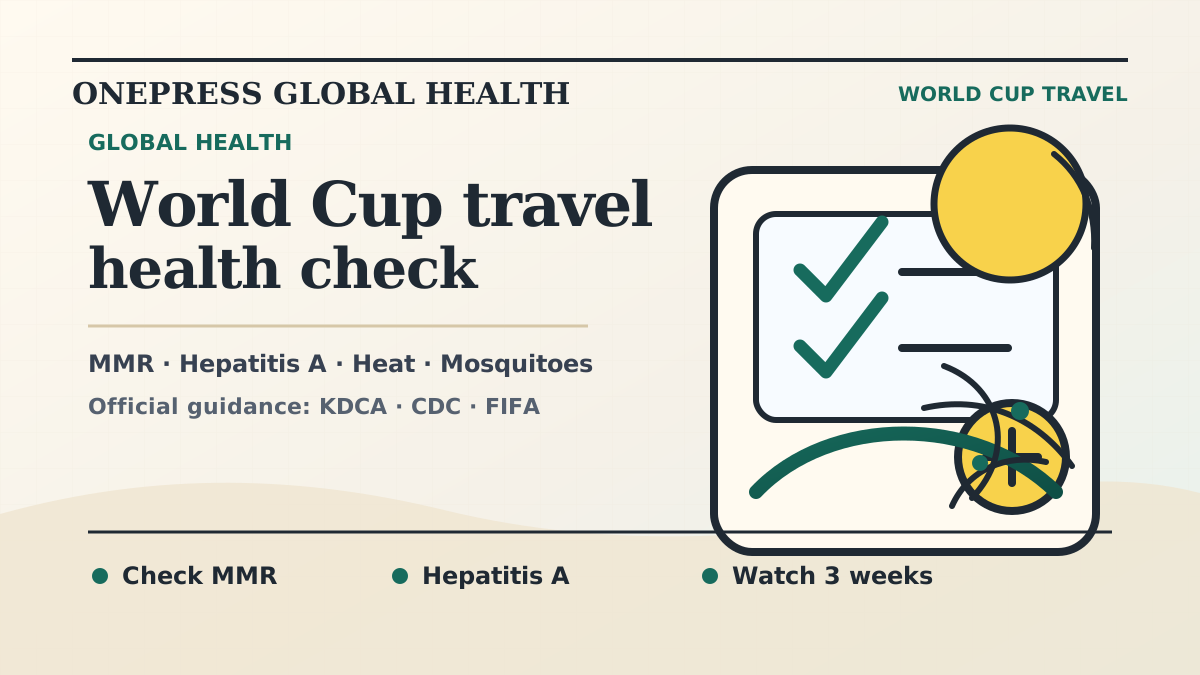
Why it matters
The 2026 FIFA World Cup opened on June 11 across the United States, Canada and Mexico. This briefing is not about match results. It is a pre-travel and post-return health checklist for people visiting stadiums, fan events, family gatherings or crowded travel routes during the tournament.
Korea Disease Control and Prevention Agency guidance highlighted measles, hepatitis A, mosquito-borne infections, water- and food-borne illness and heat illness. CDC also maintains a soccer fan safety page that brings together travel health, hygiene, heat, respiratory illness, vaccine-preventable diseases and vector risks.
Check today if
- You plan to travel to the United States, Canada or Mexico during the World Cup.
- You will visit Mexico, including match cities such as Guadalajara or Monterrey.
- You travel with children, pregnant people, older adults or immunocompromised family members.
- You will return to school, child care, health-care settings or family gatherings soon after the trip.
First checks
- Confirm whether you had measles, have evidence of immunity, or have two documented MMR doses.
- If your record is unclear, ask a clinic or public health office before travel.
- Mexico travelers should check hepatitis A vaccination. KDCA and CDC both flag hepatitis A risk for Mexico-related travel.
- Pack regular medicines, fever medicine, oral rehydration supplies, sunscreen, insect repellent and light long sleeves.
- Plan water, shade and rest time around queues, outdoor fan events and long transfers.
During and after travel
Measles is highly contagious. CDC says up to 9 out of 10 susceptible close contacts can become infected. Fever, cough, runny nose, red eyes and rash should not be treated as a simple cold after crowded travel.
Food and water choices also matter, especially in Mexico. CDC advises avoiding tap water, undercooked meat or seafood, unpasteurized dairy including some fresh cheeses, and unwashed produce. Heat and mosquitoes can also change travel plans, so reapply repellent and move to shade or cooling areas early if dizziness, headache or heavy fatigue appears.
After returning, watch your health for three weeks. If fever, rash, diarrhea, vomiting, cough or muscle pain occurs, tell the clinic which countries, cities, stadiums or events you visited.