WORLD NEWS
Sensor irrigation used up to 15% less water in tomato and grape trial plots
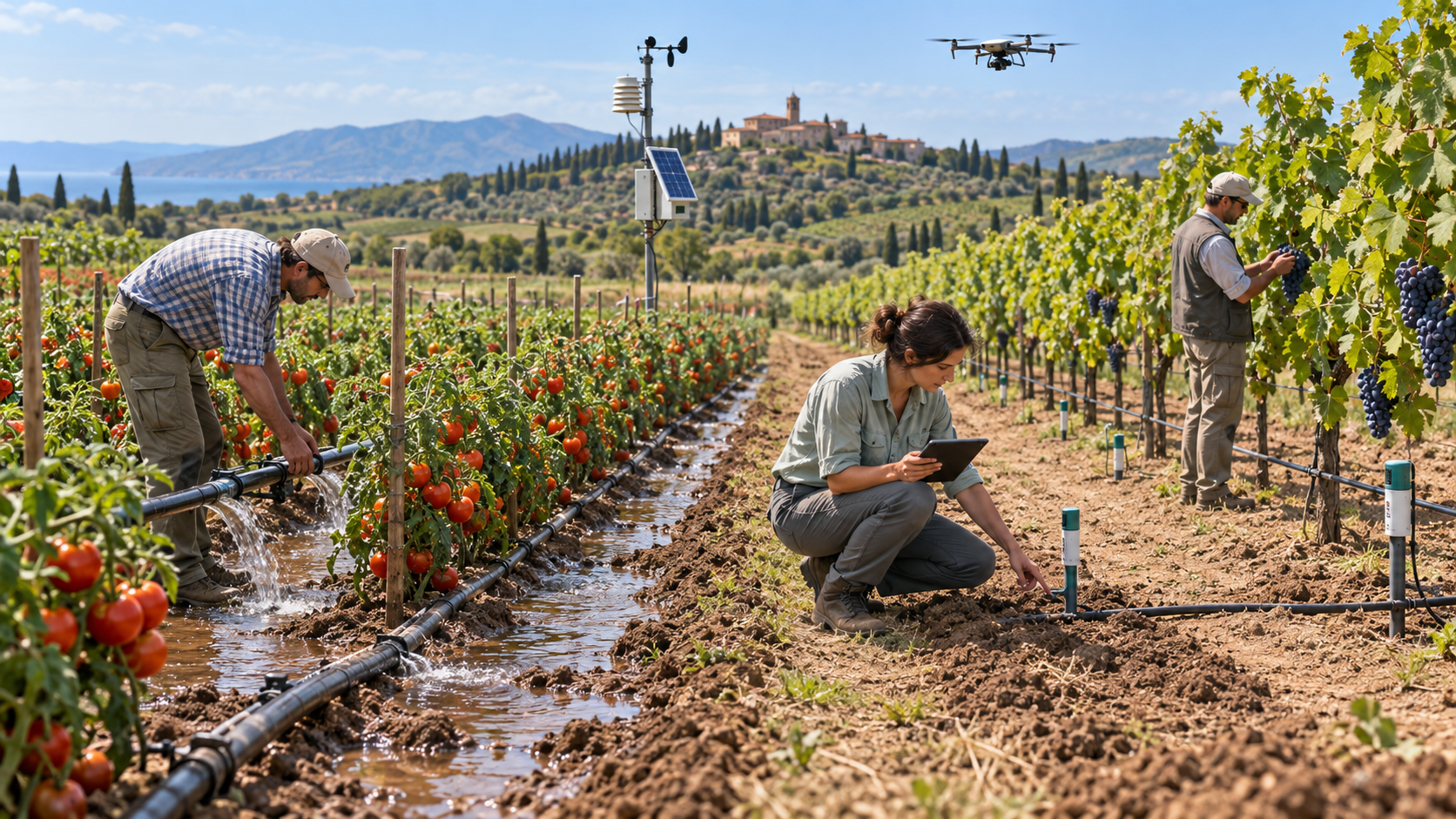
The 23 September Plants, People, Planet study adjusted irrigation with soil and weather sensors and checked growth with drones and non-destructive measurements.
“Up to 15%” is the upper result in these crops and conditions, not a fixed farm average or universal climate effect.
How compared
For tomatoes and grapes, a conventionally managed plot was compared with an advanced sensor-irrigated plot, tracking water, yield and fruit-quality indicators.
Why less water
Instead of watering on a fixed schedule, the system responded to soil moisture and plant stress. Drones helped detect field variation.
Can it scale
An independent precision-irrigation review also finds savings, but ranges vary widely. Sensor cost, soil, cultivar, water price and support determine outcomes.
Next checks
Multi-year, multi-site replication and economics including equipment are needed, plus long-term salinity, root health and basin-level water use.
Primary source and independent checks
Primary source: Plants, People, Planet paper
Institutional explanation: Wiley research release
Independent check: Independent precision-irrigation review
Read in other languages
한국어 · English · Español · 日本語 · Tiếng Việt