WORLD NEWS
Moonless Perseids: where to look on the night of Aug. 12
The Perseid meteor shower peaks from the night of Aug. 12 into the morning of Aug. 13, with almost no moonlight washing out the sky.
The often-quoted 100 per hour describes ideal dark-sky conditions; clouds and city light can cut the number sharply.
When is the best time?
Across the Northern Hemisphere, the hours after midnight and before dawn are best as the radiant climbs higher.
Where should you look?
Do not stare at one constellation. Find a wide, dark view and scan the whole sky with unaided eyes; binoculars and telescopes narrow the field too much.
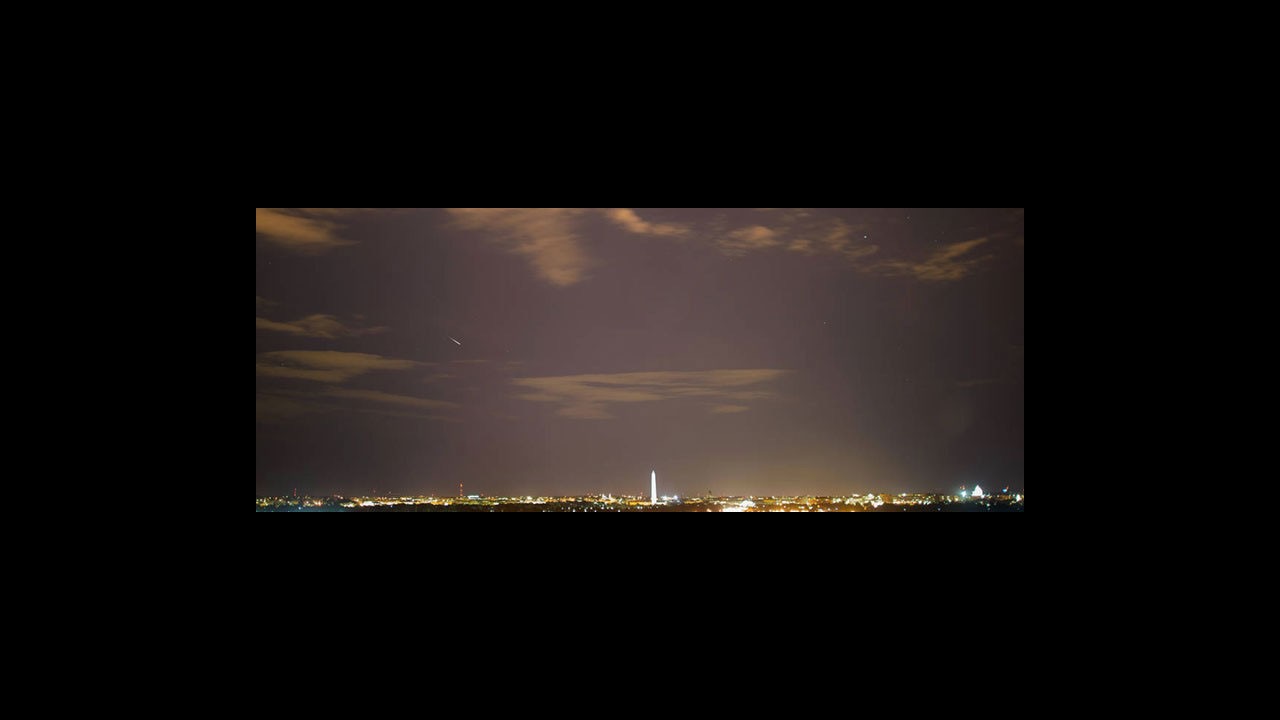
Will you really see 100?
The IMO rate assumes a fully dark, open sky. Most individuals see fewer. Avoid bright screens for 20 to 30 minutes while your eyes adapt.
Why does it return yearly?
Earth crosses dust left by comet Swift-Tuttle. Particles enter the atmosphere at about 59 km/s and glow. Its timing with the eclipse is a coincidence, not cause and effect.
Official primary sources
Primary source: NASA Perseids guide
Primary source: International Meteor Organization 2026 calendar