WORLD NEWS
Plant first, moth later: Essex survey records 111 rare moths
Essex Wildlife Trust recorded 111 Fisher’s estuarine moths in its 2026 survey at Abbotts Hall.
The site’s highest survey count follows a restoration project that planted the foodplant in 2005 and introduced eggs in 2010.
Does 111 mean the whole population?
No. The Trust’s 19 November announcement describes an annual survey count, not an estimate of all moths living at the reserve.
The first year yielded three; 20 were recorded in 2014, and the count first passed 100 in 2025. This is evidence of a long-term trend at one site, rather than recovery across Britain.
Why establish plants before moving moths?
The caterpillars eat only hog’s fennel. Although coastal, the plant cannot tolerate salt water well, making erosion and rising seas a threat.
The project therefore sought new habitat less exposed to seawater. After planting at Abbotts Hall, five years of planning and monitoring preceded the introduction of eggs from Colchester Zoo’s captive-breeding programme.
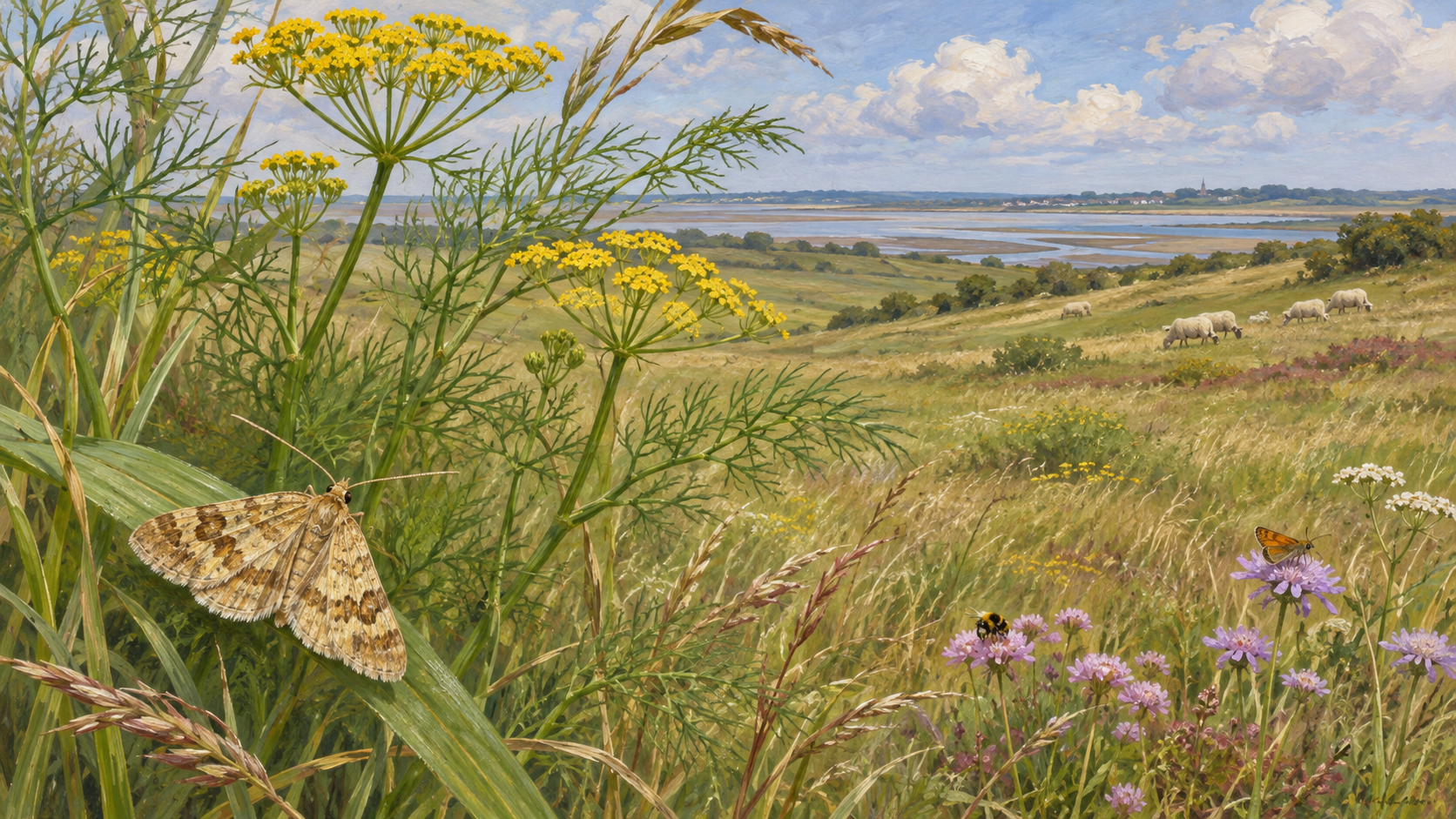
Summer feeding traces, autumn adult surveys
In July and August, surveyors look for piles of caterpillar droppings at the plant’s base. These form as larvae bore into its rootstock.
Adults are surveyed at night in September. The Trust considers the reserve’s population self-sustaining. Its announcement does not provide a total population estimate adjusted for survey effort or uncertainty.
What should the next results show?
BBC’s separate 22 November report confirmed the count and carried the conservation manager’s assessment. Foodplants are also being planted at places including Fingringhoe and Wrabness, and the Trust plans continued surveys of new and existing plots.
Future results can show whether gains extend to other sites and withstand erosion and flooding. The official announcement explains both the survey method and the limits of its numbers.
Primary sources and independent checks
Survey methods, annual counts and population limits: Essex Wildlife Trust — 19 November 2026
Separate report checking the count and conservation manager’s assessment: BBC — Lewis Adams, 22 November 2026