WORLD NEWS
Ten tagged eels could reveal the River Tees route to the sea
Conservationists on England’s River Tees fitted electronic tags to 10 of the 12 European eels they caught this summer and autumn.
The work tracks their journey towards the sea; it does not establish the river’s total eel population or a successful barrier passage rate.
What do 12 catches and 10 tags mean?
BBC’s November 18 report says Tees Rivers Trust caught 12 eels using cylindrical fyke nets and tagged 10. The largest measured 60cm and weighed 435g.
These are catches from this catchment during summer and autumn. They do not mean only 12 eels remain in the river, or that 10 reached the sea.
What can the tags reveal?
Each tag emits a distinct sound signal identifying an individual. Researchers use those signals to examine downstream movements.
They want to learn whether eels can get past barriers such as sluices and weirs on their way out. BBC’s report gives no passage rate or completed tracking results.
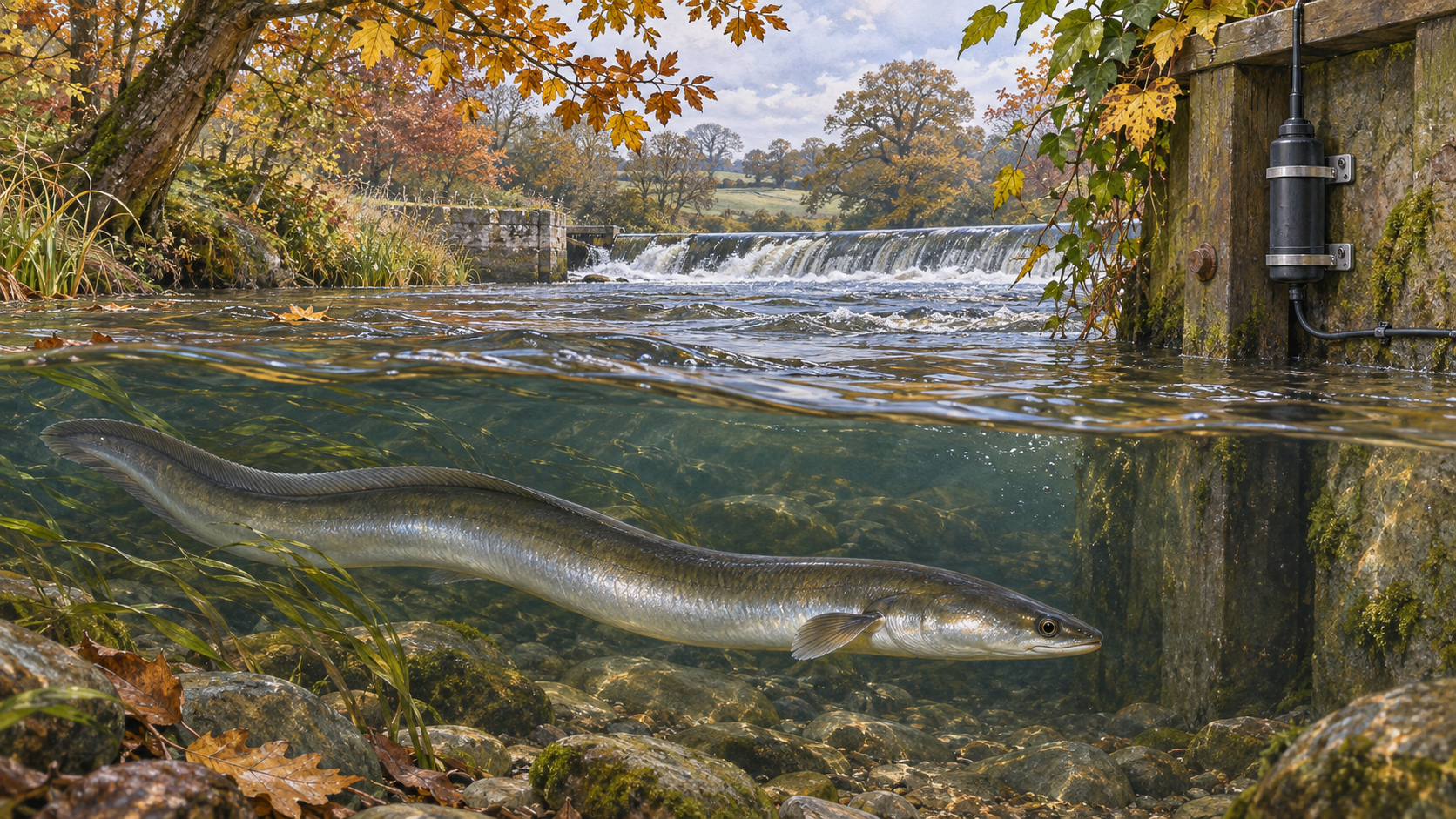
Why are these fish heading seawards?
European eels begin life at sea and grow in rivers and estuaries. As they prepare to reproduce, they enter a silver-coloured stage and migrate towards the Sargasso Sea.
The Trust explains that eels connect freshwater and marine ecosystems and feed predators including birds and otters. Understanding their routes can help guide habitat protection.
Do fewer catches prove a population decline?
Project manager Ellie Ward told BBC the eels were smaller than usual and harder to catch this year. Her suggestion that low summer flows continuing into autumn contributed is a hypothesis.
Catches can also depend on migration timing, river conditions and net locations. Twelve captures alone cannot establish the catchment’s population decline or its cause.
The next evidence is actual passage
The Eels of Steel project works with Hull University and is funded by Natural England. The official project page also describes young-eel monitoring and habitat improvements.
The next useful evidence will be movement routes and records of barrier passage. The material checked on November 20 does not establish final tracking results or a publication timetable.
Primary sources and independent checks
Primary project description: life cycle, tagging and habitat work: Tees Rivers Trust
Independent direct interviews: captures, tags, size and low-flow hypothesis: BBC / Tom Burgess