WORLD NEWS
EU proposes a 5G-and-satellite emergency network across 31 countries
The proposal would link incompatible emergency networks across 31 EU and Schengen-associated countries through one secure framework.
It would not abolish national networks. Countries would retain control while adding common connections and security monitoring.
What changes for responders
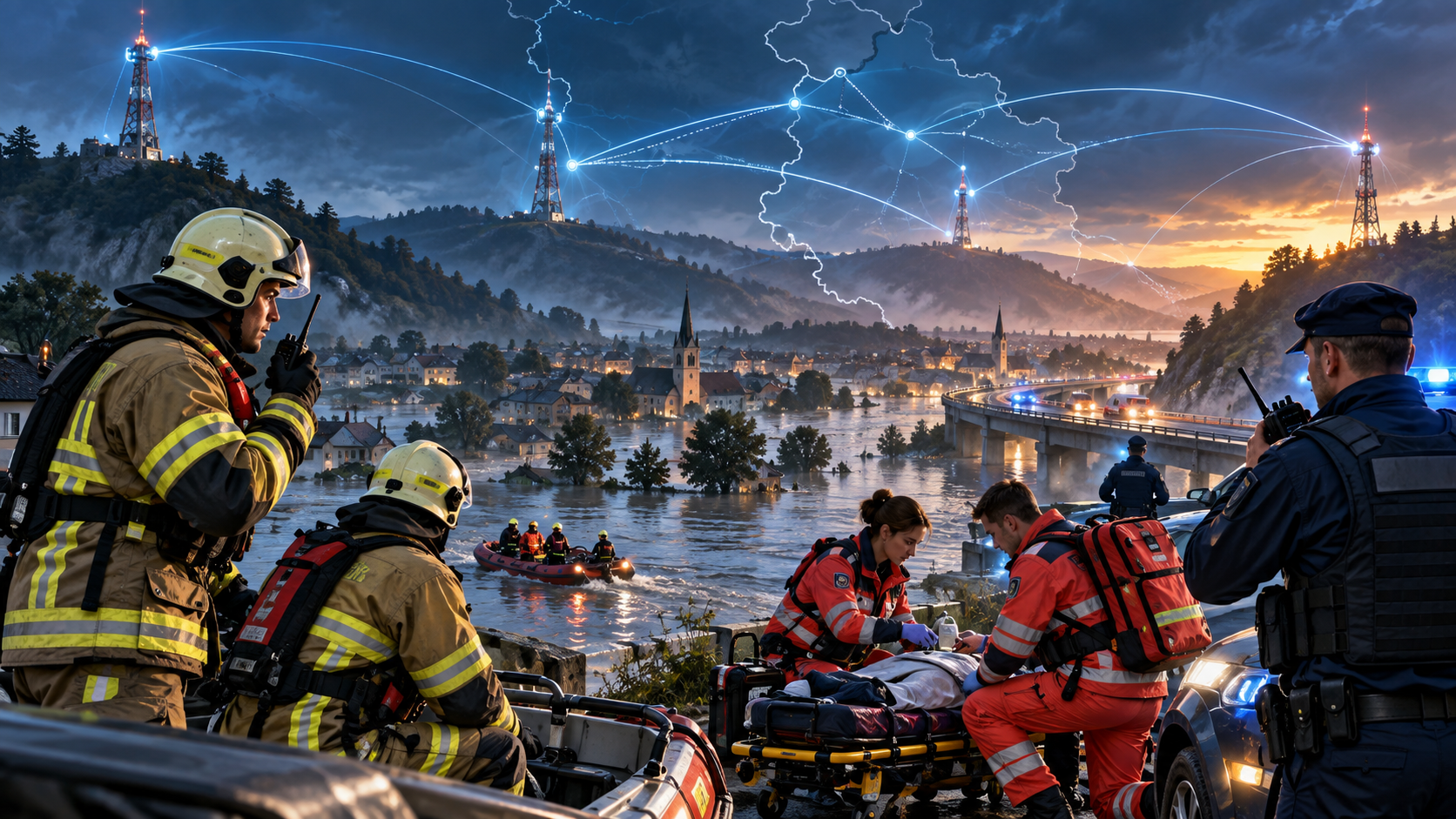
The plan moves from narrowband voice radio toward broadband technologies such as 5G, letting responders share video, location, messages and data from one secure device. Cross-agency work during wildfires and floods is the core use case.
What if terrestrial networks fail
EU satellites would provide backup when blackouts or damage disable ground systems. The proposal also includes an optical-fibre Network Monitoring Centre and a Security Monitoring Centre for cyber threats.
Do all 31 countries switch at once
No. Existing investments and network designs differ, so countries would connect gradually from 2030. Costs, national timetables and device procurement still need to be set through legislation and implementation.
What remains undecided
The European Parliament and Council must adopt the regulations, and negotiations can change the text. Readers should not interpret the proposal as a network already available today.
Primary source and independent checks
Primary source: European Commission 공식 발표
Institutional explanation: EUCCS 공식 시스템 설명
Independent check: 유럽의회 Renew Europe 독립 반응
Read in other languages
한국어 · English · Español · 日本語 · Tiếng Việt