WORLD NEWS
A new handbook aims to protect radio spectrum used by weather systems
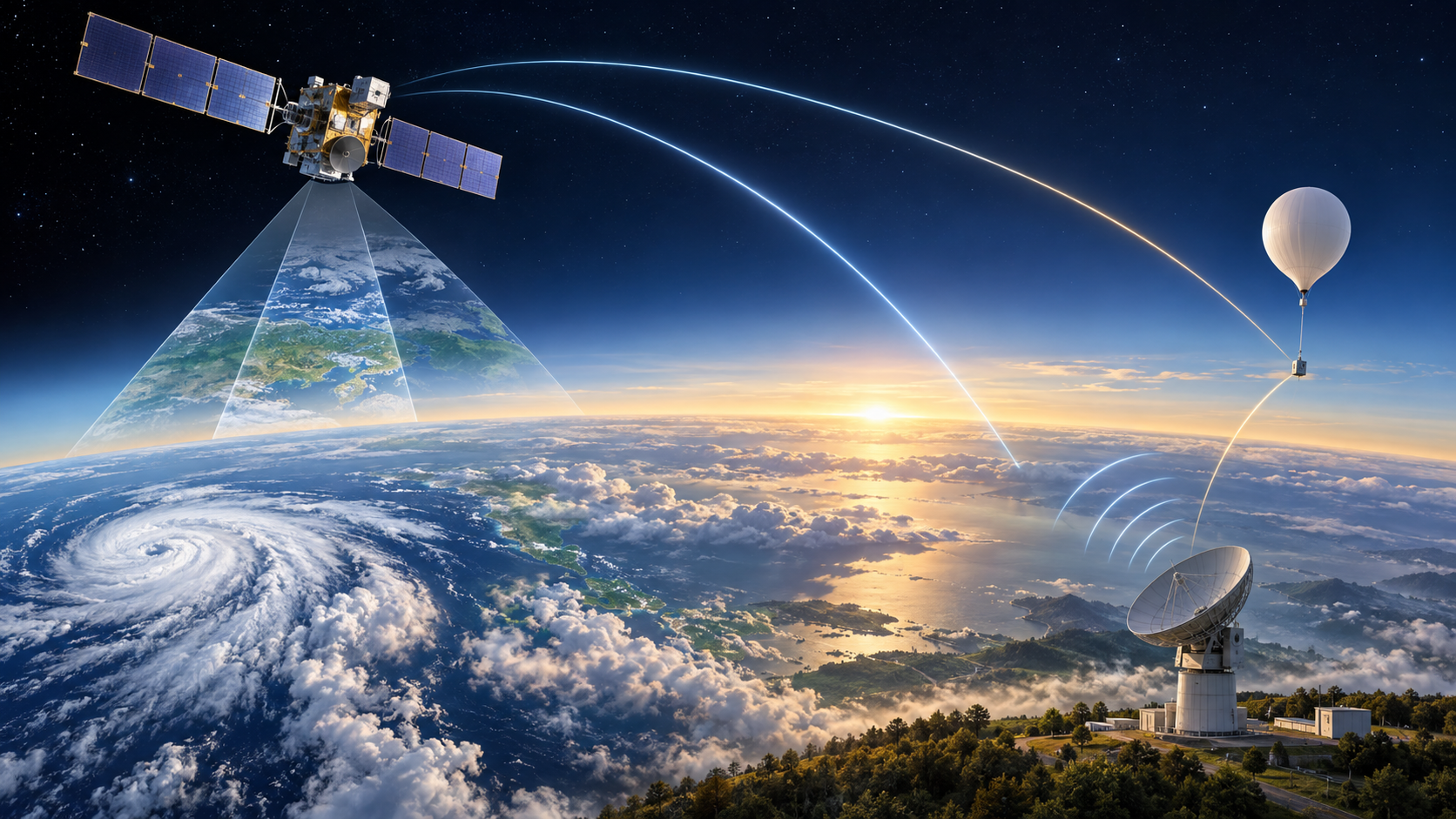
Weather radar, radiosondes, active and passive Earth-observation sensors, and space-weather instruments depend on different bands. Interference can erase weak signals or contaminate measurements.
The edition was launched at a September 28–30 seminar in Geneva as commercial communications and satellite demand grows ahead of the 2027 and 2031 World Radiocommunication Conferences.
Why interference affects forecasts
Passive sensors read extremely faint natural emissions from the atmosphere and surface. Leakage from strong nearby transmitters can create errors that software cannot fully reconstruct.
What the handbook covers
It gives common ground for equipment requirements, radio rules, sharing conditions and protection methods, while considering cloud processing and commercial data.
Forecasts do not improve instantly
The launch updates principles and negotiating evidence. Actual interference reduction depends on national licensing, equipment standards, cross-border coordination and future WRC decisions.
What to watch
Seminar outcomes, WMO positions for WRC-27 and national spectrum plans are the next checkpoints; no particular mobile band was automatically banned.
Primary source and independent checks
Primary source: ITU official announcement
Institutional measurement or explanation: WMO joint announcement
Independent check: WMO seminar record
Read in other languages
한국어 · English · Español · 日本語 · Tiếng Việt