WORLD NEWS
Rotifers repaired shattered chromosomes across multiple generations
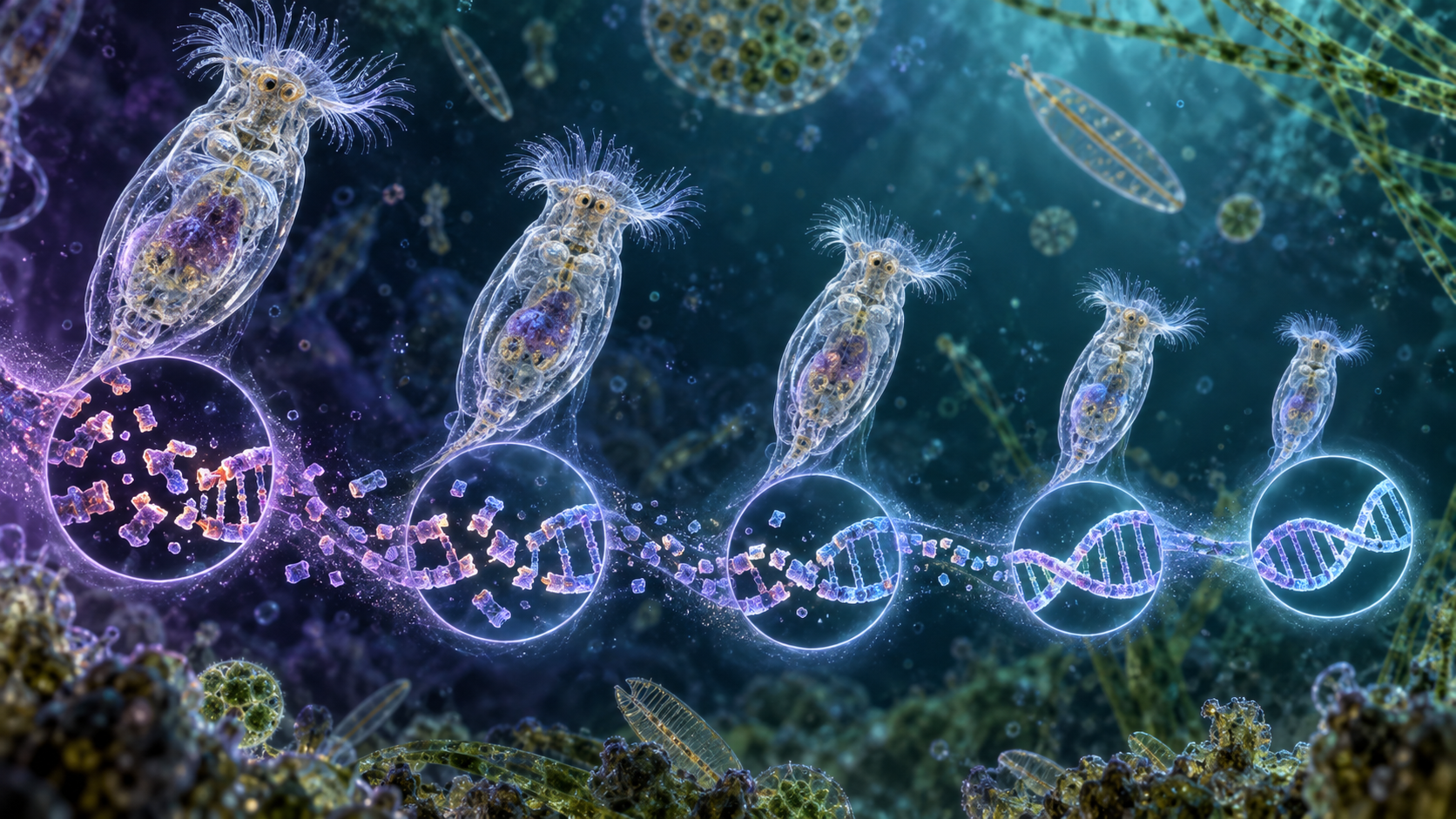
Researchers found that chromosome fragments not fully repaired at once could pass to later generations, where missing regions were restored using an intact homologous chromosome as a template.
They call the process BIHER, expanding the simple idea that DNA repair must finish within one individual and one generation.
Why is it surprising?
These rotifers withstand ionising-radiation doses more than 100 times those lethal to humans. Such exposure can fragment chromosomes into tens or hundreds of pieces.
How did repair continue?
Some damaged fragments were retained and inherited. In descendants, an intact homologous chromosome served as the template for progressively rebuilding missing DNA regions.
What does it explain?
The flexible process helps explain rotifer resistance to radiation and desiccation and shows how a genome can still be transmitted after severe damage.
Limits and next work
The finding comes from one unusual asexual lineage. It does not directly translate to cancer treatment or human genome repair; other species and molecular accuracy need independent testing.
Primary source and independent checks
Read in other languages
한국어 · English · Español · 日本語 · Tiếng Việt