WORLD NEWS
Researchers found 7,215 protein substitutions not fully visible from DNA alone
The Nature study published on 14 September 2026 shows that a human proteome can be more diverse than DNA-based prediction suggests. It grouped 13,910 confidently localized observations into 7,215 unique substitutions.
Some arose from genetic or somatic variation; others were linked to alternate or erroneous translation. The study did not prove that every variant is functional or affects health.
Data
The team integrated proteomic and genomic data from 29 healthy tissues and looked for reference and variant forms in the same proteome.
Why DNA misses some
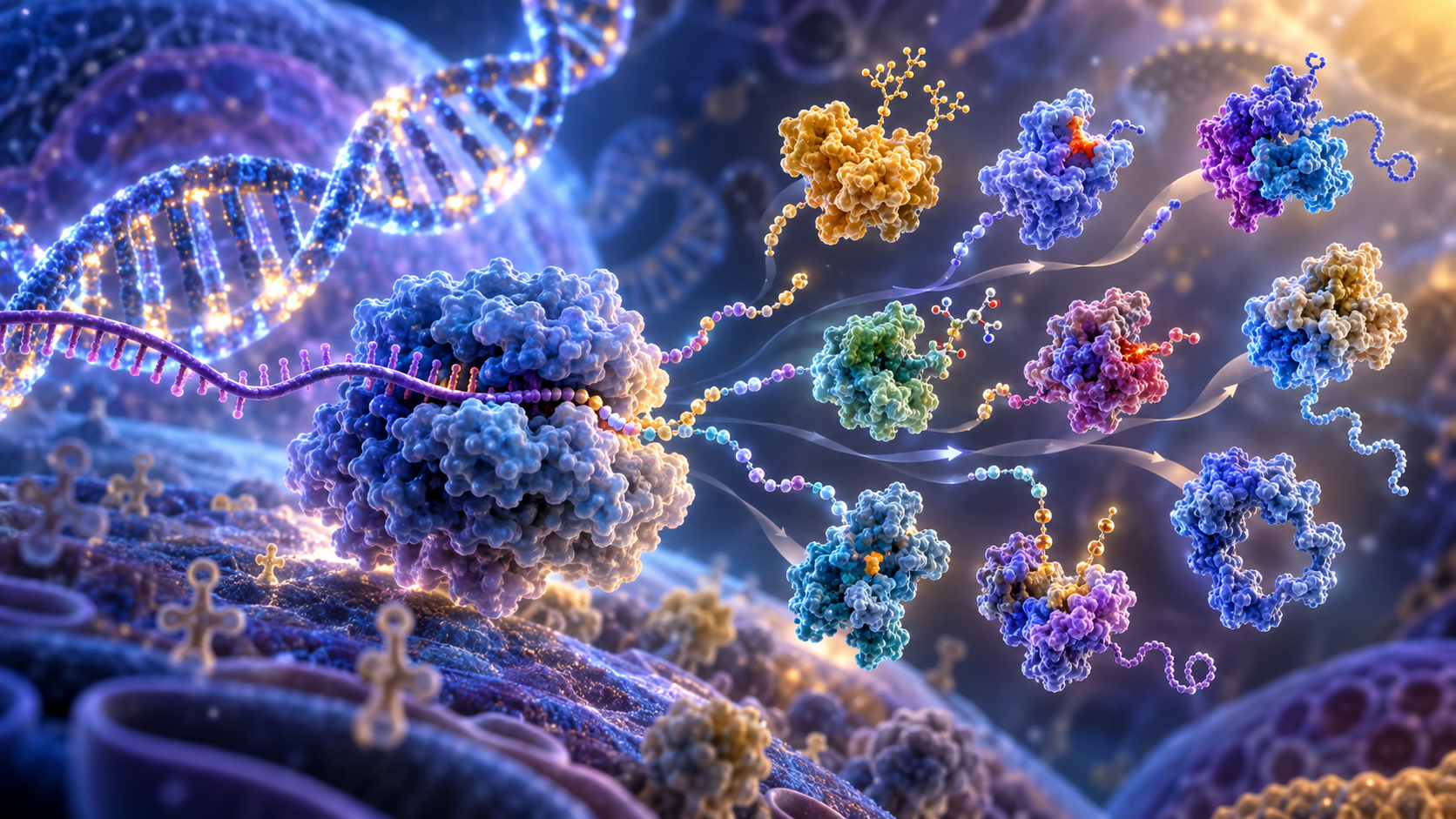
Cells translate RNA into amino-acid chains. A different amino acid can sometimes be inserted without a matching DNA change, leaving a protein difference invisible to genome sequencing alone.
Functional clues
Selected non-genetic substitutions were validated in purified proteins, and some recurred across people or fell at annotated functional sites. Recurrence alone is not proof of biological benefit or harm.
Limits
Mass spectrometry can misassign similar signals, so strict filtering and replication matter. Most causes, tissue frequencies and disease links remain unresolved.
Next check
Independent datasets, direct functional tests and studies across cell states are needed. The result expands the protein map; it does not yet change clinical testing.
Primary source and independent checks
Read in other languages
한국어 · English · Español · 日本語 · Tiếng Việt