WORLD NEWS
Congo Ebola confirmed cases exceed 6,000… According to WHO standards, 60 health zones, fatality rate is about 48%
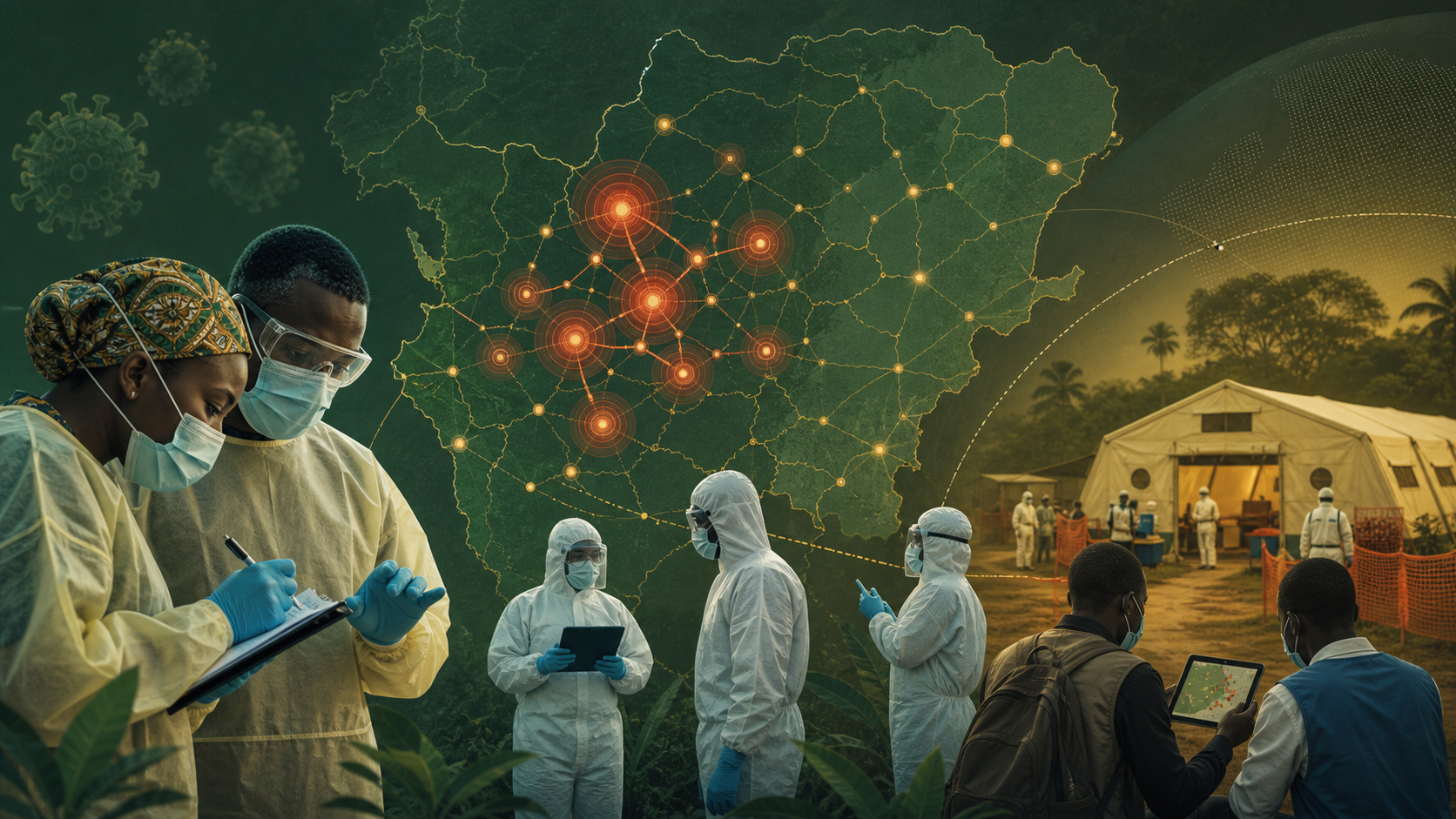
Authorities in the Democratic Republic of Congo announced on August 31 that the number of confirmed cases of Ebola in Bundibugyo had surpassed 6,000 and the death toll had reached 2,911. WHO data released three days ago shows a rapid increase, recording 5,794 confirmed cases, 2,786 deaths, and spread in 60 health districts as of August 26.
Counts from different dates should not be added together or interpreted as representing the same level of risk across the world. Currently, large-scale community transmission continues, mainly in eastern Congo, and France and Uganda recently completed a 42-day enhanced surveillance period.
How quickly did the numbers grow?
After WHO issued its report on August 14, the number of affected health districts increased from 54 to 60. On August 26, out of 5,794 confirmed cases, 2,786 people died, resulting in a simple fatality rate of 48.1%. Congolese authorities’ latest figures for August 31 are higher, with more than 6,000 confirmed cases and 2,911 deaths, but detailed verification tables may be released later than WHO data.
Why should we look at this trend separately?
The cause is the Bundibugyo type Ebola virus, not the Zaire type. This is the second confirmed outbreak of this virus type in Congo, and there is currently no approved dedicated vaccine or specific treatment. Plans to test existing vaccines and treatment candidates are underway, but we are not at a stage where we can say that actual protection has been confirmed.
Has vaccination already begun?
Health officials began vaccinating medical staff and frontline responders in late August. Approximately 50,000 doses will be allocated to priority responders and approximately 20,000 doses will be allocated to clinical trials assessing the potential for protection against Bundibugyo virus. Starting vaccination is different from demonstrating effectiveness and requires tracking of trial participants and safety data.
How should we view risks in other countries?
WHO maintains the outbreak is a public health emergency of international concern but has not classified it as a pandemic emergency. Direct contact with the patient’s blood or body fluids is important for infection and is not the same as routine airborne diseases. Local travelers should check the latest regional guidance from WHO and national health authorities.
What indicators should I check next?
The rate at which new patients are discovered through contact tracing, safe funerals, infection of medical staff, and accessibility to treatment centers are as important as the cumulative number of confirmed cases and deaths. Differences in reference dates between authorities’ announcements and WHO reports should also continue to be indicated. The following WHO disease outbreak news and Congo health authority situation reports are key data to determine whether the trend will change.
Primary sources and independent checks
WHO Disease Outbreak News, 28 August 2026
WHO emergency committee report