WORLD NEWS
Nepal–Tibet border floods leave at least 800 dead and over 3,000 missing as fresh water warnings continue
As of August 30, at least 800 people have died and more than 3,000 are missing due to flash floods and landslides that swept along the border between Nepal and China-Tibet. Nepal’s disaster agency has informed residents of affected areas to remain on high alert after being notified that water flows upstream may increase again.
This does not mean that the final scale of the disaster has been confirmed. Rescue, search, and identification are ongoing, and the counting times of Nepal and Chinese authorities are different, so the number of deaths and disappearances may change significantly in the next official announcement.
what happened
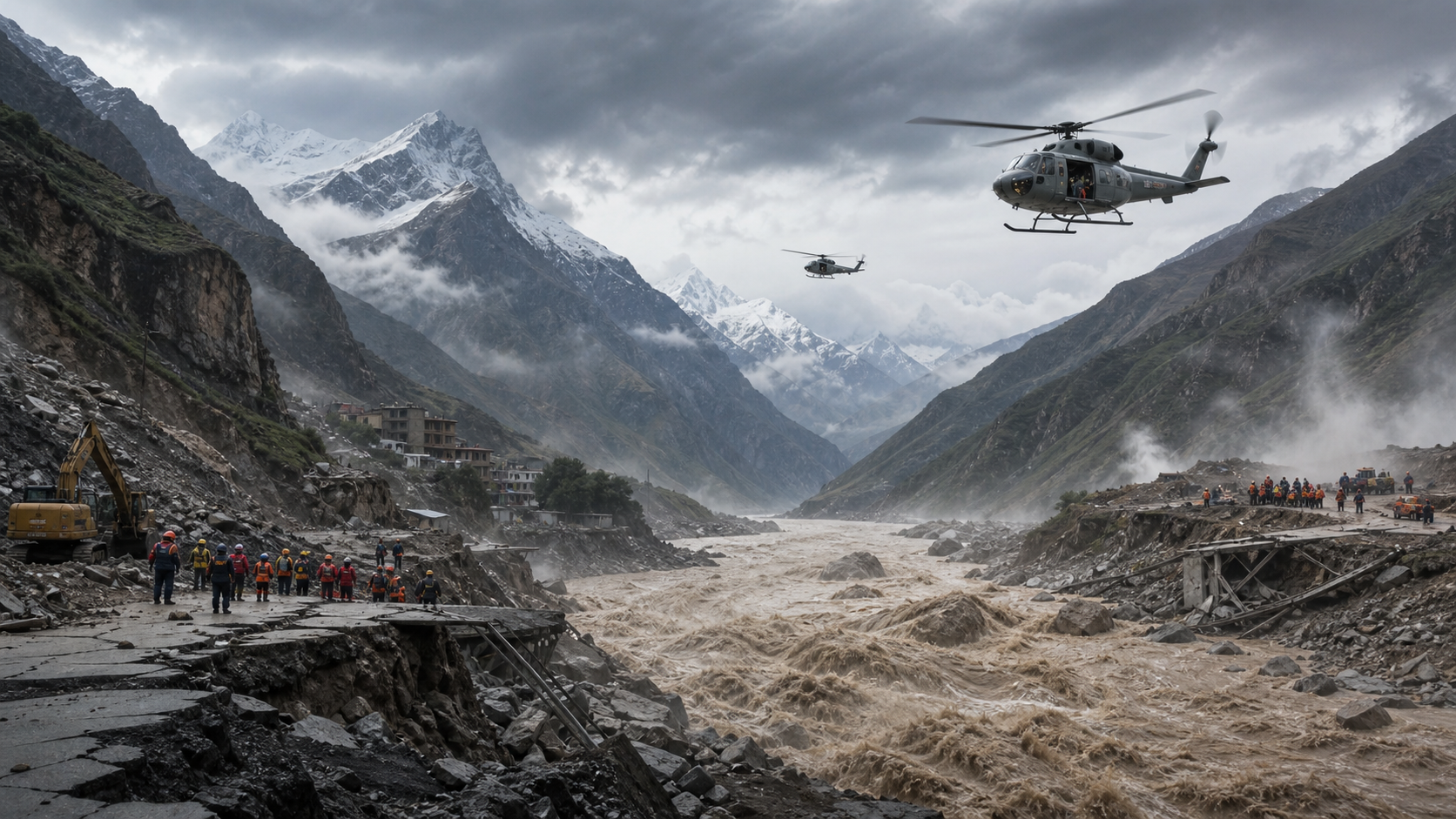
On August 26, a glacier collapsed in the Himalayan highlands, and huge amounts of water and silt flooded the valley bordering Nepal and Tibet. Roads, bridges, and villages were cut off, and tourists, workers, and residents were isolated in wide areas. More than 3,700 people have been rescued in Nepal, but the search is long and access is difficult.
How were 800 and 3,000 people counted?
This is a figure compiled by AP on August 30th from the latest announcements from authorities in each country. Nepal’s disaster agency reported 675 deaths and 2,498 missing the previous day, while Chinese authorities announced 16 deaths and 546 missing. Later, more bodies were discovered downstream, raising the total to at least 800. The same person should not be added to the list of deaths and disappearances.
Why were hundreds of kilometers downstream affected?
Rapid currents carried people and debris far along the Bhotekoshi River. In Chitwan, south-central Nepal, bodies washed up hundreds of kilometers away from the source and a forensic team conducted identification. Some bodies were temporarily buried awaiting identification, and the bereaved families were notified of their locations and markers.
Can we say the danger is over?
no. China’s water authorities said most of the new lakes that formed in the mountains after the floods have disappeared, but changes in upstream flow and additional rain remain a risk. Nepal’s disaster agency sent out a mobile phone alert and asked residents near the river to prepare to move to higher ground. Locally, national disaster agencies and meteorological and hydrological agency warnings should be given priority.
What to check next
The list of dead and missing people and rescue personnel may change several times a day. The cause cannot be determined simply as climate change. The processes of glacier collapse, rainfall, topography, and the formation of new lakes must be analyzed together through satellite and field surveys. Official search status and upstream hydrological alerts are the next checkpoints.
Primary sources and independent checks
Nepal disaster authority official portal