WORLD NEWS
The kite was not set aside for more than 26 hours, an Australian all-night record for Myanmar.
Australia’s Angus Johnston held on to the kite line for 26 hours, 15 minutes, and 15 seconds, setting a record for the longest kite flight by an individual. This challenge was carried out in conjunction with raising money to support health and education in refugee areas on the border with Myanmar.
This record is the time the kite was kept in the air and is the result of an official challenge performed by one person without letting go of the line. These figures are not representative of all types of kite flights or all fundraising achievements, and amounts raised may vary depending on the time of the page.
how long did it fly
Guinness World Records announced that Johnstone’s kite was in the air for 26 hours, 15 minutes and 15 seconds from March 14 to 15, 2026, in Killarney, Victoria, Australia. Recording is not simply a game of holding the line for a long time, but an event in which an individual keeps the kite afloat. The departure was at 7:37 a.m. on March 14th, and the record was confirmed the next morning after the night.
It was a challenge I did alone, but I did not verify it alone.
The Guinness announcement states that 10 official observers and two timekeepers took turns checking the kites and times. Johnston was the man holding the line, while the support team handled safety and instrumentation. Therefore, this case is not a record recognized solely through a simple SNS video or claim, but is the result of an observation procedure set by the recording agency.
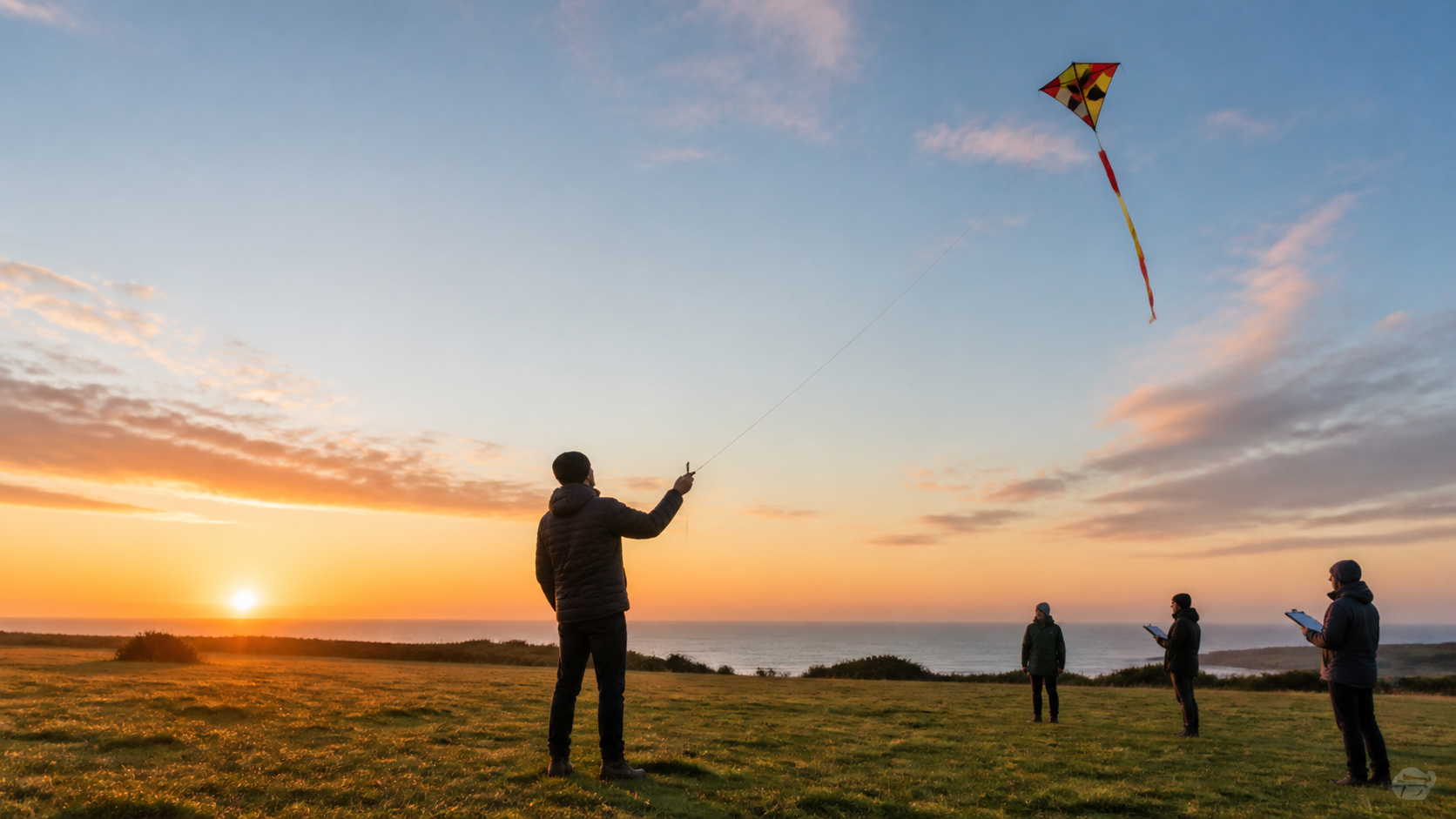
There was a different reason for flying the kite.
Johnston’s GoFundMe page explains that he combined the record challenge with a 24-hour kite flight to help support grassroots health and education work in Myanmar and border refugee communities. The page shows that 218 donations raised A$18,843. The Guinness announcement also confirmed the same amount and the purpose of supporting Myanmar.
What the number 26 hours says
26 hours, 15 minutes and 15 seconds is more than 2 hours in one day. However, this does not mean that this time guarantees the effectiveness of fundraising or local support. How and when the funds raised are delivered to which organization and what activities lead to them must be separately disclosed by the organizer.
Why is it worth informing even briefly?
Record challenges often involve only numbers, but this case linked a familiar object, a kite, to long periods of concentration and public fundraising. The record itself is an individual achievement from one region of Australia. Still, the story of how everyday actions were transformed into calls for international support, along with a proven track record of time, is something readers can immediately understand.