WORLD NEWS
Elephants got an mRNA vaccine too, and two infected calves never became ill
Two juvenile Asian elephants given an experimental mRNA vaccine were naturally infected with a deadly virus but recovered without becoming ill.
This is early evidence from only two calves, not proof of vaccine efficacy or a product ready for routine use.
Why elephants needed a vaccine
Elephant endotheliotropic herpesvirus, or EEHV, can trigger rapidly progressing hemorrhagic disease in young Asian elephants.
Calves are especially vulnerable as maternal antibodies decline. The papers describe a fatality rate near 65% among infected juveniles.
Nine were vaccinated and two met the virus
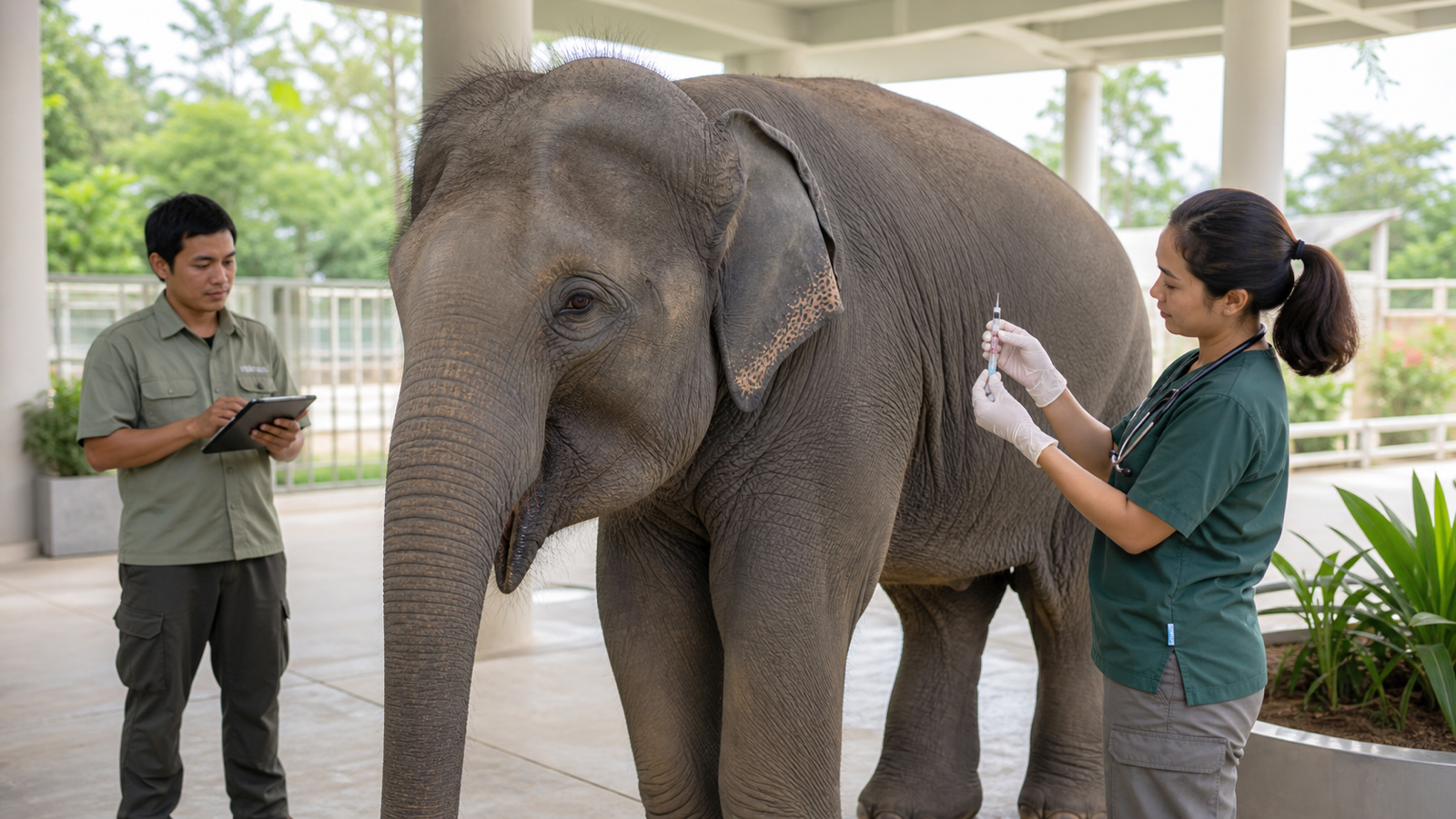
The first study vaccinated nine Asian elephants at five US zoological institutions. The mRNA recipe taught their immune systems to recognize four proteins the virus uses to enter cells.
Two calves, aged six and seven, received a first dose in October 2024 and a booster in November. They were naturally infected with EEHV1A in February and March 2025.
Infected, but no treatment was needed
Blood tests confirmed the virus in both calves, yet viral loads remained low and neither developed clinical signs or blood abnormalities.
The infections cleared without drugs or fluid therapy. Researchers say vaccine-induced immunity may have prevented progression to severe disease.
Did mRNA work in an elephant-sized body?
All nine trial animals produced antibodies to vaccine targets, with increased responses lasting about six months in some elephants.
No serious adverse effects were reported. Elephants younger than two responded less strongly, so age and dosing still need study.
Why this is not yet proof
Only two vaccinated elephants encountered documented natural infection, and there was no unvaccinated control group. Naturally mild infections cannot be completely ruled out.
The result is a first clinical protection signal. Larger, repeated studies are needed before a routine program for zoo and wild elephants can be defined.
Official primary sources
Primary source: Journal of Virology: multi-antigen mRNA vaccine trial
Primary source: Journal of Virology: first clinical protection case report
Primary source: Houston Zoo research announcement
Primary source: Baylor College of Medicine veterinary vaccine program