WORLD NEWS
WHO’s seven drowning-prevention strategies show water safety is more than rescue
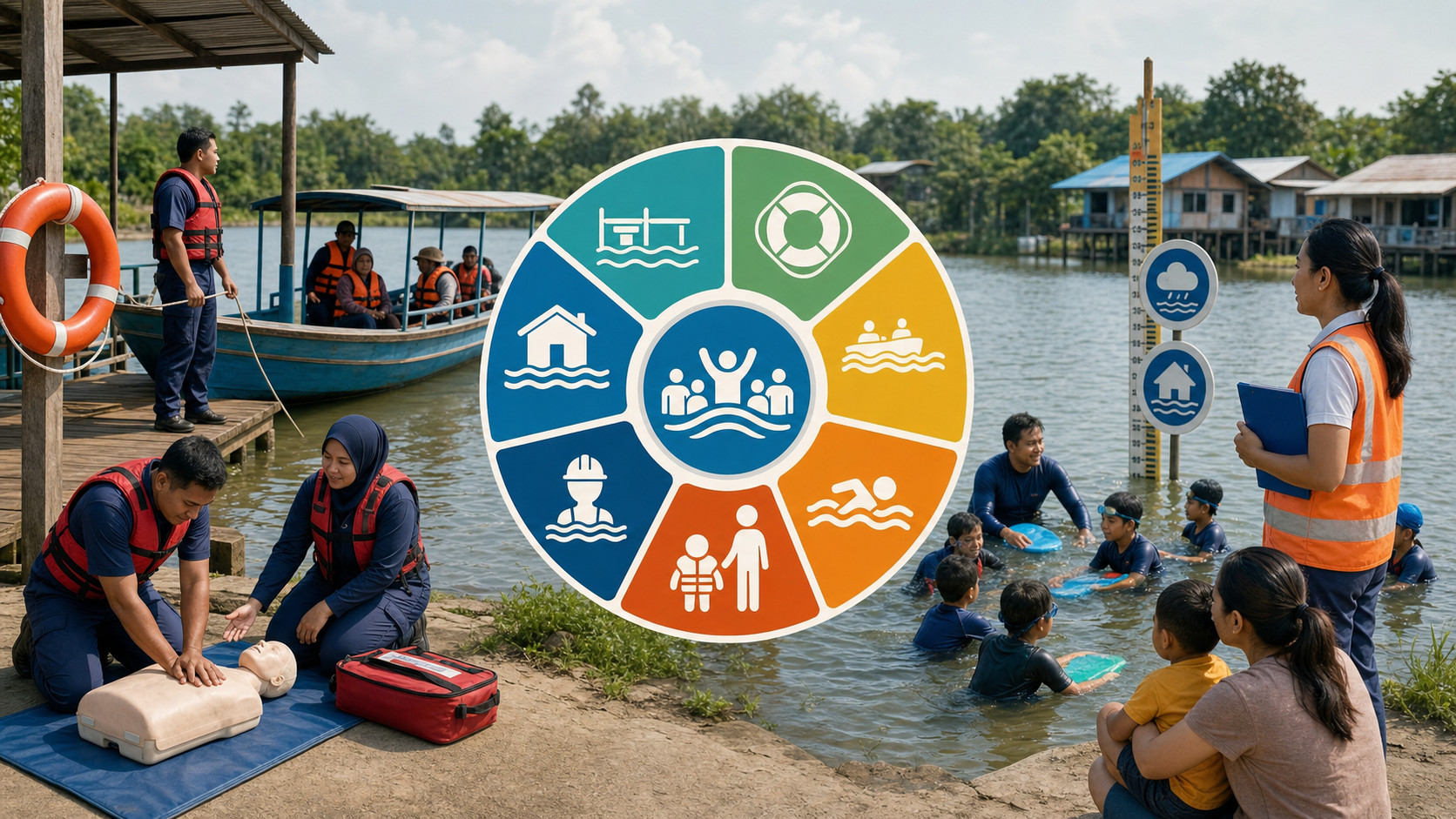
WHO released the PROTECT technical package on 23 July 2026 to help reduce drowning deaths. The key point is that nearly 300,000 annual drowning deaths cannot be addressed only by telling people to swim better; safer infrastructure, water transport, rescue, childcare, worker safety, and flood preparedness all matter.
Who Is Affected
This is not about one resort, country, or travel season. WHO says drowning kills nearly 300,000 people each year and remains among the ten leading causes of death for children aged 5-14 years. More than 90% of drowning deaths occur in low- and middle-income countries. Ghana, where the package is being launched, records an estimated 1,100 drowning deaths a year, or about three every day.
What Changes
PROTECT is not a single campaign. It groups seven policy strategies: physical infrastructure, rescue and resuscitation, occupational safety around water, transport safety over water, basic swimming and water-safety education, childcare and safeguarding, and preparedness for floods and other hazards. The message is that drowning prevention needs systems, not only swim lessons.
What To Do Now
For readers, the first step is to identify everyday exposure to water. Families should check access to pools, wells, water-storage containers, rivers, and lakes, and ask whether schools or local programmes teach basic swimming and water safety. Communities that depend on boats should look at life jackets, overcrowding, night travel, weather alerts, and emergency response.
Exceptions And Limits
This is a technical package, not a treaty or immediately binding law. Whether the strategies become policy depends on national and local governments, schools, employers, and transport operators. Climate and heatwave references also do not mean every place has the same risk increase. Local waterways, flood exposure, transport habits, and childcare conditions still need separate checks.
Official Checks
Use the WHO news release for the date, World Drowning Prevention Day context, global death burden, and Ghana figures. Use the technical package page for the seven strategies. Use the WHO fact sheet for age groups, low- and middle-income country burden, and risk factors.
Official sources
WHO release: launch date, global deaths, and Ghana figures