WORLD NEWS
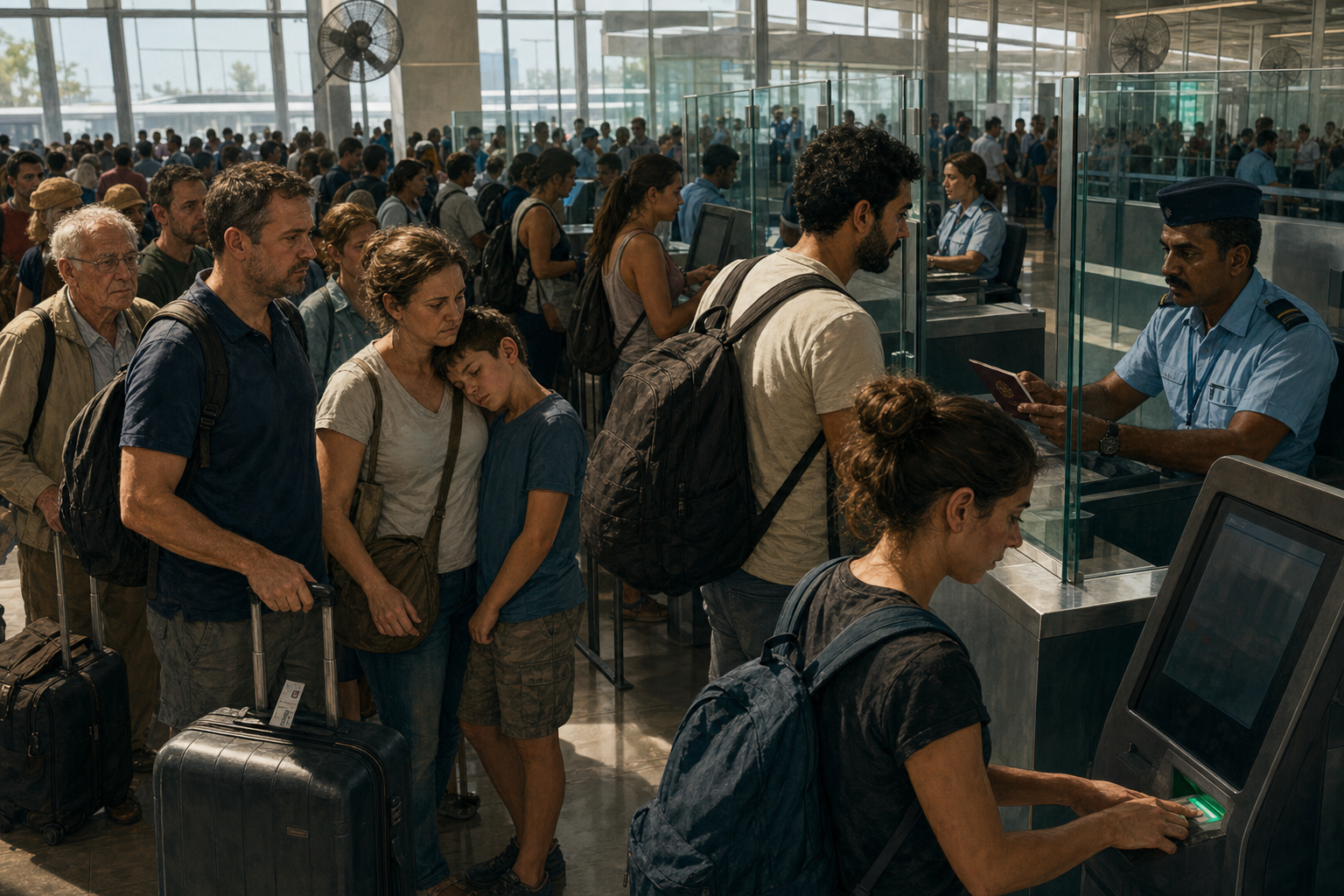
Biometric airport queues are growing in Europe. Non-EU travelers should recalculate first-entry timing now
- Checked: 2026-07-03 05:20 KST
- Source set: European Commission EES notice, official EU EES guide, Guardian reports from July 1 and July 2
The point is not that Europe suddenly became unsafe to enter. The point is that first-time Schengen entry for non-EU passport holders can now take longer during the peak summer rush. The European Commission said on April 10, 2026 that EES became fully operational, and the official EU guide explains that facial image, fingerprints, and passport data may be electronically registered at first entry.
The Guardian reported on July 1 and July 2 that airlines and airport groups were warning about summer congestion and that long waits at some airports could turn into real schedule loss for travelers. That means the practical question is no longer just whether the trip is happening. It is how much delay your first-entry airport can absorb and whether your onward connection is too tight.
Who should check now
- Travelers entering the Schengen area for the first time this weekend or early next week through France, Italy, Spain, Greece, Poland, or similar hubs
- Families, business travelers, and students arriving on Korean, British, U.S., or other non-EU passports
- Anyone connecting quickly to trains, domestic flights, low-cost carriers, or rental-car pickup after arrival
- Groups moving with children, older relatives, wheelchair support, medication, or time-sensitive plans
What to change today
- Recalculate airport timing from the start of the immigration queue, not from airline check-in cutoff alone.
- Do not overpack the first day with museum bookings, performances, or long-distance moves.
- If you need an onward train or flight, add more buffer time than the booking minimum.
- Split passports, hotel details, return tickets, medicine, water, and battery packs across the group instead of keeping them in one bag.
- If the airport and ticket cannot change, cutting the first evening schedule may save more than forcing the same plan.
Why this matters now
EES is not new today. It is already live. But early July 2026 peak travel changes the user experience. The same Europe ticket feels very different depending on which airport is your first Schengen entry, whether you must connect immediately, and whether someone in your group moves slowly.
Official links
- European Commission notice: when full EES operations began and what changed
- Official EU EES guide: who is covered and what is recorded at first entry
- Guardian, July 1: peak-holiday congestion concerns
- Guardian, July 2: airport queues and contingency discussion
Bottom line: The key issue is not Europe itself. It is whether your first Schengen entry queue and connection buffer still make sense.