WORLD NEWS
Bolivia’s fuel lines are not over yet. Private imports are allowed, but August 6 still matters
- Checked: 2026-07-04 18:55 KST
- Source set: ABI explanation of DS 5644, ABI report from 2026-07-02, AP report on the fuel shortage
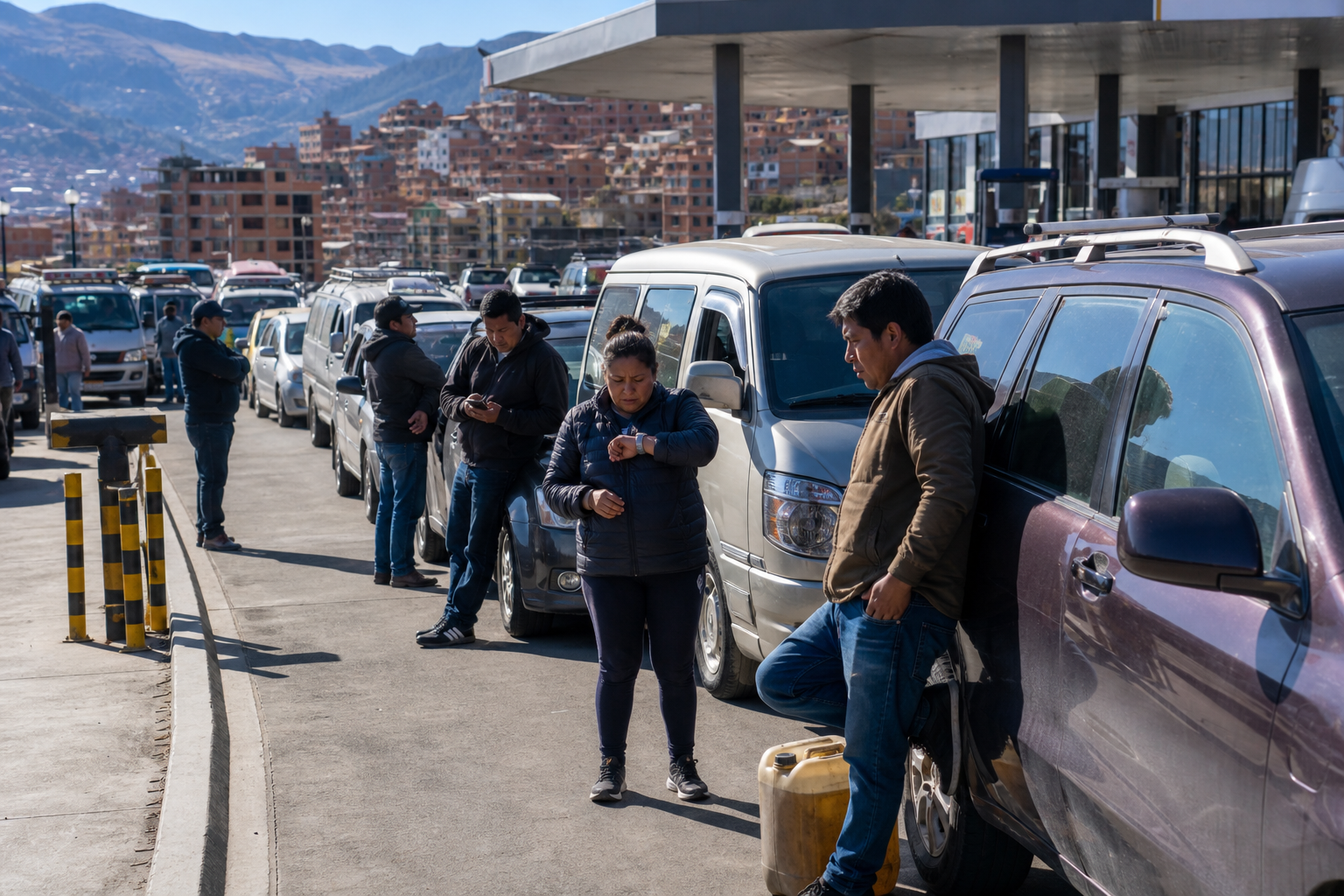
In Bolivia, the fuel shortage is still not just an economic headline. It is a day-to-day movement problem. Bolivia’s state news agency ABI says the new Supreme Decree 5644 authorizes both public and private actors to import petroleum products for sale or own use. But another ABI report says station operators are projecting sales of privately imported fuel only from around August 6, 2026.
That means a policy opening is not the same thing as immediate relief at the pump. AP recently reported that shortages have become severe enough to push more Bolivians toward electric vehicles because fuel access, prices, and waiting time have become such a daily burden. The practical question now is not only price. It is how long you may wait, whether your airport or bus transfer still works, and how much extra cash or buffer time you need.
Who should recheck now
- Residents or visitors relying on car movement in La Paz, El Alto, Santa Cruz, or similar cities
- Travelers using rental cars, hired drivers, or small cargo movement
- Anyone with airport transfer or early-morning long-distance bus plans
- People whose lodging or onward schedule becomes expensive if a fuel line eats several hours
What to change today
- Check fuel conditions more than once. Do not assume yesterday’s information still holds.
- Plan around queue time, not only road distance.
- Keep backup airport-transfer or ride options ready.
- Hold extra cash and schedule buffer. Fuel delays can spill into food, hotel, and rebooking costs.
- Until August 6, treat the policy shift and the real street-level experience as two different things.
Official links
Bottom line: In Bolivia now, queue reality matters more than policy headline.