WORLD NEWS
Starliner will fly uncrewed first, with astronauts now targeted for 2028
Starliner-1 would carry cargo to the International Space Station without astronauts. NASA plans to use it to measure the thermal and propulsion environment and identify residual risk.
Only a satisfactory result can clear the path for crewed Starliner-2. The sequence puts resolution of helium leaks and reaction-control thruster trouble from the 2024 test ahead of the timetable.
What will be changed and retested
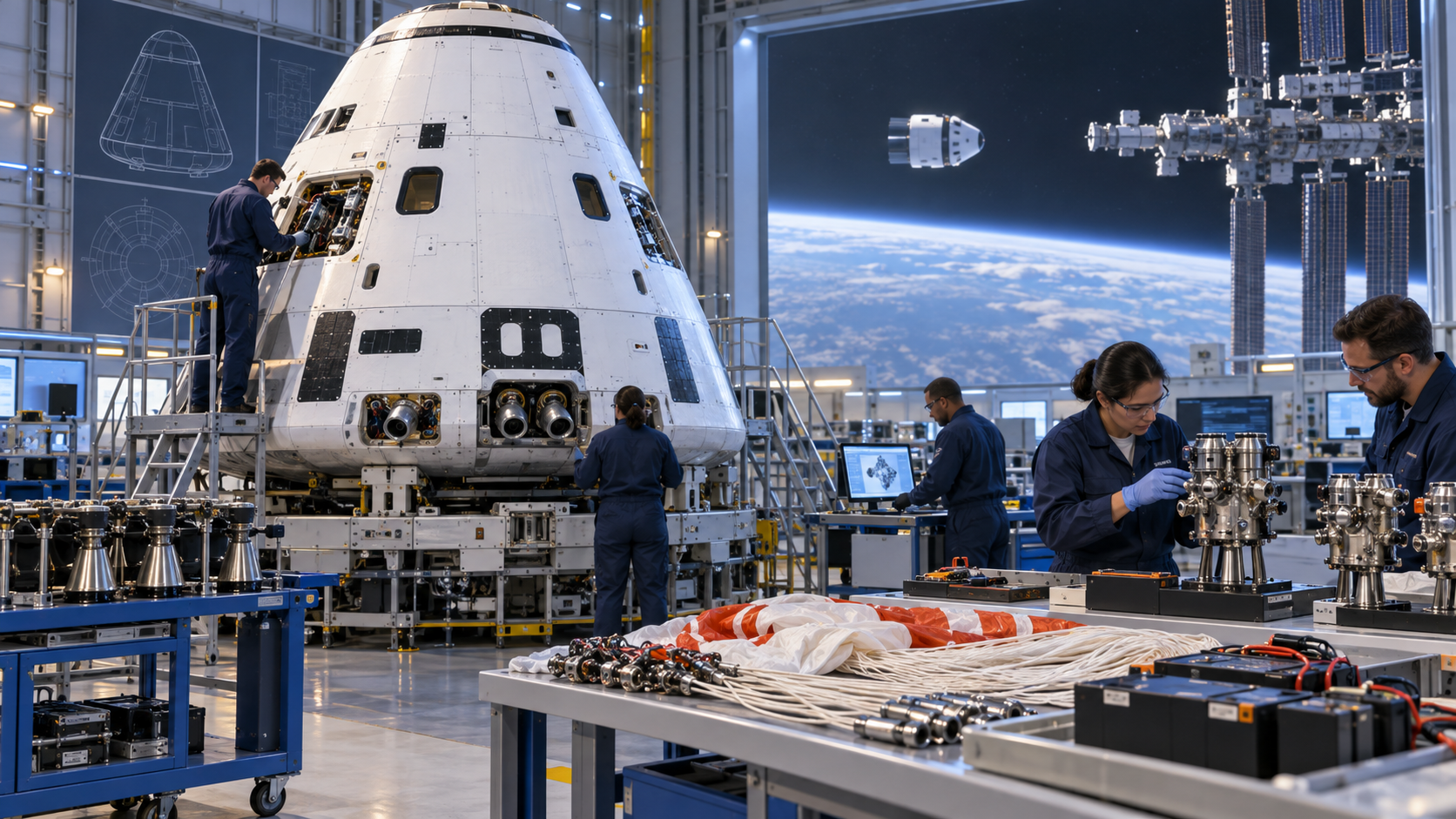
The service-module thruster poppet will be redesigned, and valves on all 12 crew-module reaction-control thrusters will be replaced. New crew-module thrusters, NASA-provided batteries and a parachute-joint improvement also enter the certification work.
What December or January means
NASA says Starliner-1 has the potential to fly in that window. Ground tests and readiness reviews can move it, and one successful uncrewed mission would not automatically complete human-rating certification.
Why wait until 2028
Propulsion anomalies led the 2024 crew test to return without its astronauts. NASA will first analyse thermal and thruster data from the next uncrewed flight, then finish further valve work and system certification before carrying people.
What to watch next
The actual Starliner-1 launch date, on-orbit thruster performance and the post-flight certification review are decisive. The precise 2028 crew date and later mission count remain conditional until that evidence is complete.
Primary source and independent checks
Primary source: NASA development plan
Institutional measurement or explanation: Boeing Starliner-1 update
Independent check: Associated Press independent report
Read in other languages
한국어 · English · Español · 日本語 · Tiếng Việt