WORLD NEWS
Weeks of cancer therapy reshaped competition among mutant cells in normal oesophagus
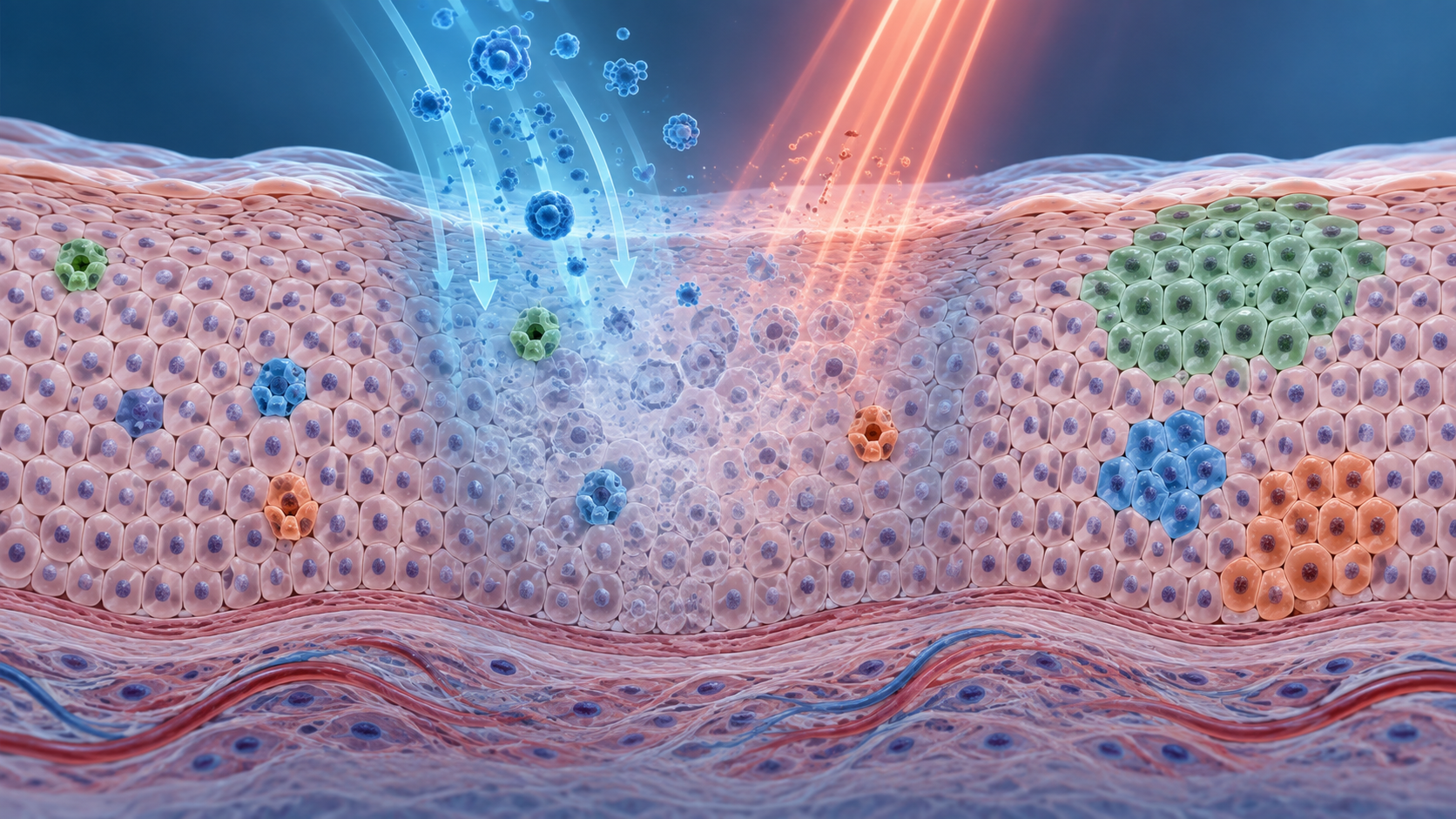
Normal oesophageal lining removed at surgery showed that chemotherapy and chemoradiotherapy favoured different mutant cell populations. Five to eight weeks of treatment could alter competition built over decades.
The central result is selection among pre-existing clones, not proof that treatment generated all mutations. Most somatic mutations do not become cancer, and this study cannot predict an individual’s recurrence.
Who was compared?
Seventy patients were split among no pretreatment (21), ECX (17), EOX (14), FLOT (7) and CROSS chemoradiotherapy (11). These were not paired before-and-after samples.
What changed?
TP53 and PPM1D clones expanded in CROSS, while RAC1, NFE2L2 and MTOR selection appeared in FLOT, consistent with treatment-specific resilience.
New mutations?
The team did not find clear chemotherapy mutational signatures despite fitness changes, underscoring creation versus selection.
Limits
The five groups were small, 324 cancer-related genes were targeted, and only post-treatment surgical tissue was sequenced.
Next
A pilot is sampling cheek cells, blood and urine before and after other cancer treatments. The findings guide research, not treatment cessation.
Primary source and independent checks
Wellcome Sanger Institute 연구 발표
Read in other languages
한국어 · English · Español · 日本語 · Tiếng Việt