WORLD NEWS
Thousand-year records left by Galapagos corals, recent El Niño volatility in the Eastern Pacific was 36.5% greater than before industrialization
When we restored the seawater temperature of the past thousand years in the Eastern Pacific using the chemical components of Galapagos coral, we found that the range of El Niño and La Niña fluctuations over the past 40 years was 36.5% greater than before industrialization. The researchers analyzed that the recent increase was outside the range that could be attributed to natural fluctuations alone.
This does not mean that all El Niño damage, such as floods or droughts, increased by 36.5%. This figure compares the variation in sea surface temperatures in the eastern Pacific and does not directly predict the weather in individual regions and the same outcome every time in the future.
How corals record old ocean temperatures
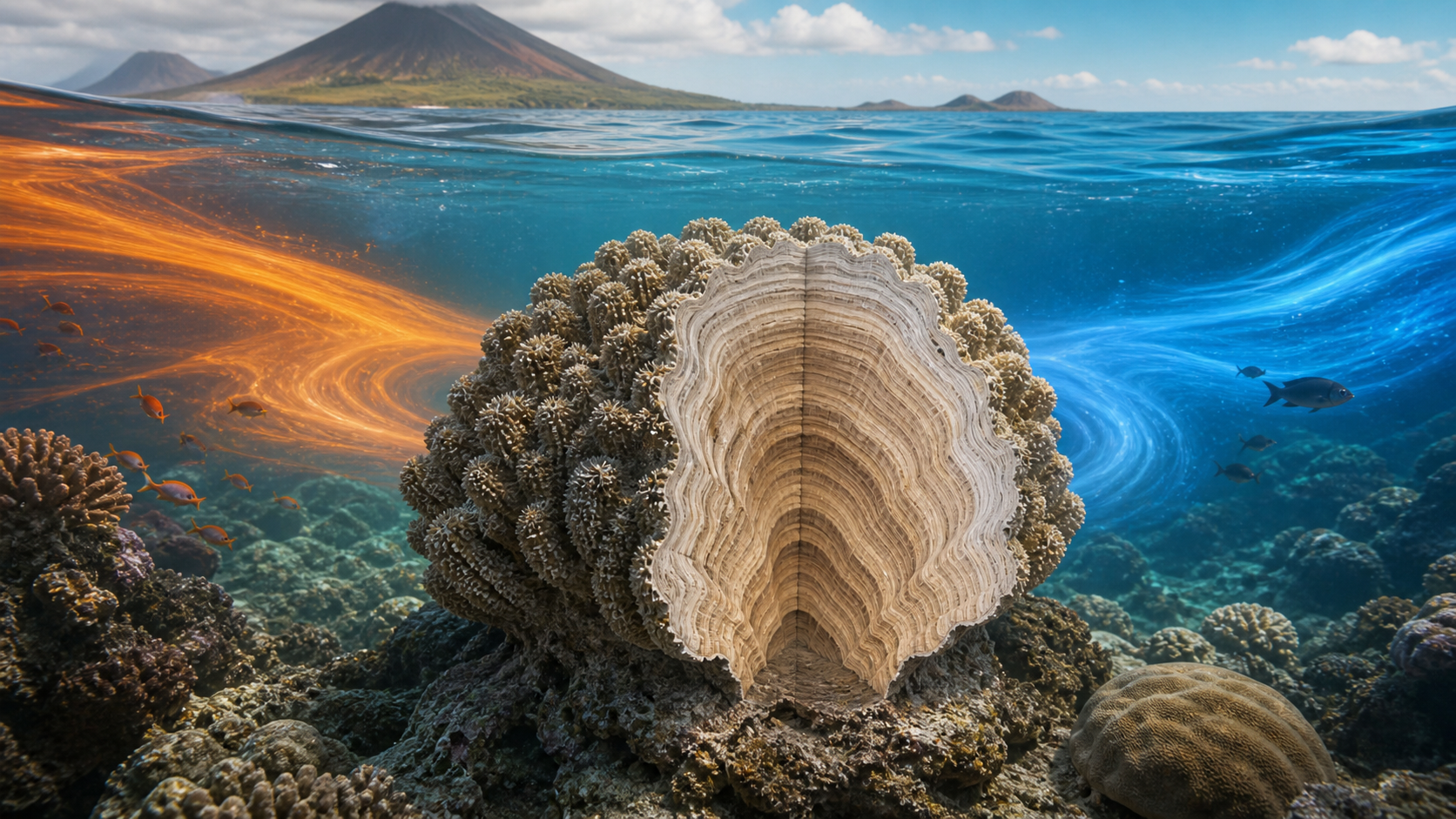
As corals grow, they build their calcium carbonate skeleton layer by layer. The ratio of strontium and calcium and oxygen isotopes within it vary depending on the temperature and moisture conditions of the water at the time. The researchers reconstructed past changes by stitching together 28 time series from 13 coral cores from five Galapagos islands.
What does the number 36.5% compare to?
The study compared the last nearly 40 years of eastern Pacific ENSO variability with the pre-industrial record from 1000 to 1850 AD. Modern volatility is 36.5% higher and 16.2% higher than the entire 20th century. The increase was mainly due to stronger and more frequent El Niño events.
How is it divided from natural fluctuations?
The researchers compared coral records with pre-industrial simulations from 12 climate models that included only volcanic eruptions, solar changes, and internal fluctuations in the climate system. Recent values have exceeded its natural range and have grown with the rise in global average temperatures. However, since this is an observational study, we do not attribute one El Niño event to a specific emission source.
Has the entire thousand years been seamless?
no. The coral samples directly cover about half of the millennium interval, combining records from different time periods and islands. There are blank spaces where coral has not grown or been preserved. The researchers reduced bias by using multiple samples and models together, but it is not a completely continuous thermometer.
What to check next
Coral shows the past but does not guarantee the future. We need to further confirm how well the model reproduces the feedbacks of Pacific winds and ocean currents and how the Central Pacific-type and East Pacific-type El Niño differ. Seasonal forecasts of each country and actual warnings from WMO and meteorological organizations must be viewed separately.