WORLD NEWS
Polio global health emergency lasts 3 more months, not pandemic emergency
The WHO Polio Emergency Committee unanimously determined that the risk of international spread continues and maintained the Public Health Emergency of International Concern (PHEIC) status and interim advisory for another three months. As of April 30, 2026, 4 wild-type patients and 32 vaccine-derived patients were reported.
WHO has not declared a new pandemic. The committee jointly concluded that it does not fall under the higher level of ‘pandemic emergency,’ and travel vaccination recommendations also vary depending on the risk category, such as infected countries and long-term residents.
Why does the emergency continue?
Wild type 1 virus continued to spread in key areas of Afghanistan and Pakistan. Restrictions on population movement and vaccination access between the two countries increase the risk of cross-border crossings. WHO judged that it was too early to say that surveillance and vaccination quality at the level of eradication had been secured, even if a decreasing trend was seen.
What do the numbers mean
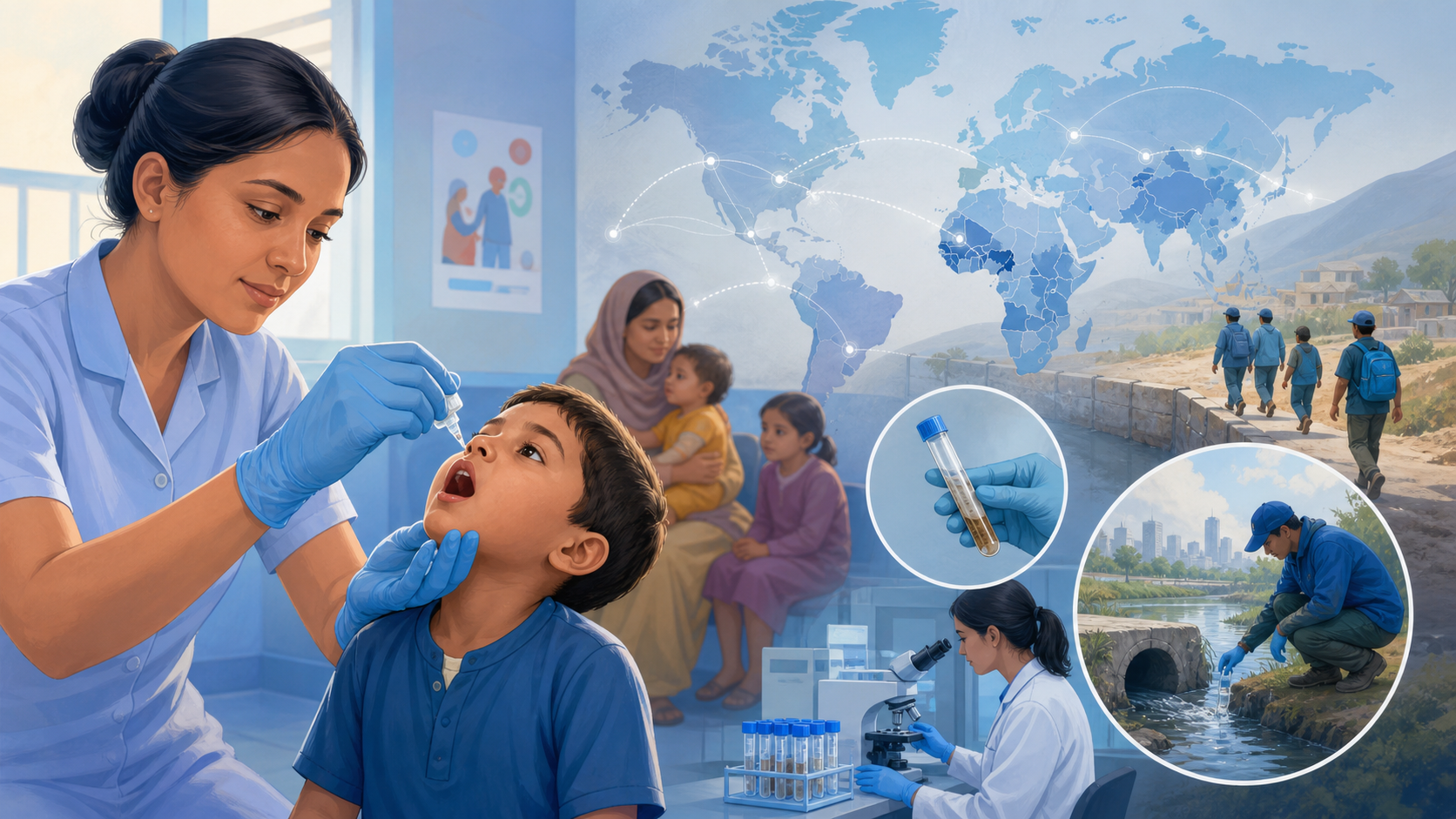
As of April 30, 2026, there were three wild-type cases in Afghanistan and one in Pakistan. There were 32 cases of vaccine-derived virus cases in 12 countries, and 27 cases of environmental detection. This is not the real-time cumulative figure as of August 25th, but data as of the end of April reviewed by the committee.
Why should we be careful about the term ‘vaccine-derived’?
If a weakened virus from an oral vaccine circulates for a long time in an area with low vaccination rates, it may become rare and cause disease. This does not mean that the vaccine itself generally spreads polio. The key risk is that transmission continues in places where there is a large vaccination gap.
What should travelers check?
Residents of countries where wild-type or specific vaccine-derived viruses are transmitted and visitors who stay for more than 4 weeks may be required to receive additional vaccinations and an international certificate of vaccination between 4 weeks and 12 months before departure. The same measures do not apply to all travelers from all countries. You should check the WHO country list and local health authority guidelines before departure.
When will the next decision change?
Interim recommendations will be reviewed again in three months. Detection of new cases and sewage, the reach of vaccination campaigns, and border area surveillance results are key. Clearance of infection must be confirmed with negative data and sufficient surveillance for a certain period of time after detection of the last patient or environment.
Primary sources and independent checks
WHO 45th Polio IHR Emergency Committee statement