WORLD NEWS
A 4.5m python received a human cancer treatment in a world-first case
England’s Chester Zoo announced on August 21 that Jodie Foster, a reticulated python measuring about 4.5 meters long and weighing 50 kilograms, recovered with no signs of cancer recurrence after receiving electrochemotherapy, which is also used on humans. The zoo said it believed this was the first time this treatment had been applied to a snake.
This example is the result of treatment of one animal, and does not mean that it is effective in treating cancer in humans or that it can be applied to other animals. The veterinary team announced that they plan to disclose the procedure process as separate academic material.
what happened
The zookeepers conducted an examination after seeing that Jody was eating less and moving less. The examination revealed malignant fibrosarcoma of the jaw, and the tumor, which was initially surgically removed, then began to grow again and invade the jawbone. The zoo explained that eating itself could become difficult.
How to adapt human treatment to a snake
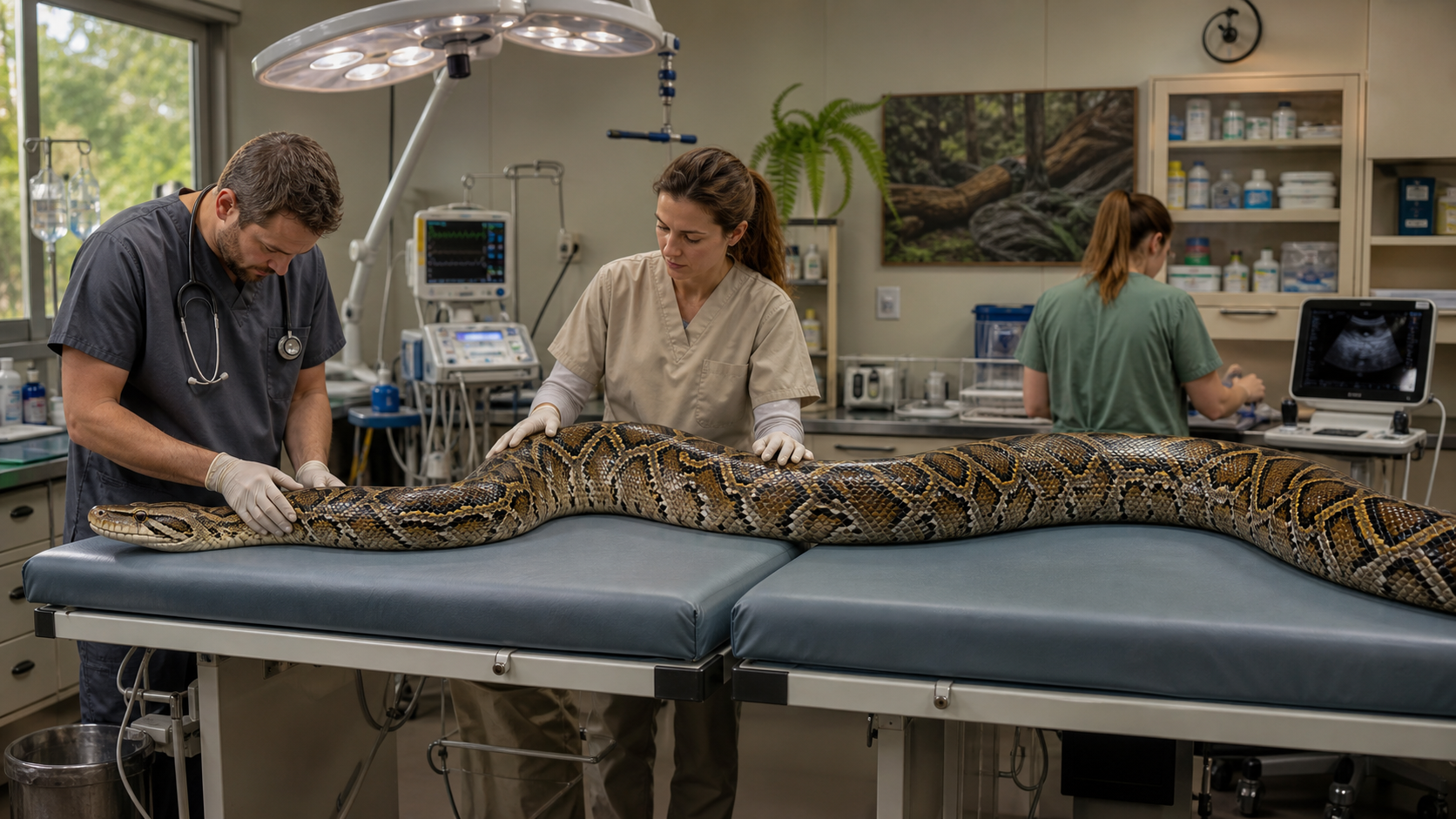
Chester Zoo’s veterinary team, together with cancer specialists from the University of Liverpool, applied electrochemotherapy following surgery. This method uses the anticancer drug bleomycin together with controlled electrical stimulation to allow the drug to enter tumor cells better. Jody was so big that two operating tables had to be attached, and the procedure took about 90 minutes.
what are the results
The zoo said there were no signs of recurrence after several months of observation following surgery and a final check this week. Although part of his jawbone was removed, he was still able to attack, bite and swallow prey, and he ate and acted normally. However, this is not an announcement that the possibility of long-term recurrence has been completely eliminated.
Why is it called the world’s first case?
An expert from the University of Liverpool, who participated in the joint treatment with the zoo, said that to his knowledge this was the first time electrochemotherapy had been used on snakes. This is not a declaration that the standard of care for all reptiles has changed, but rather an example of a safe adaptation of existing care in one species. The exact surgical and follow-up conditions must be reviewed through data that will be released in the future.
Why this story matters
Treatments developed for humans can also be used on animals, but they cannot be transferred to large snakes due to differences in body temperature management, anesthesia, and anatomical conditions. This case stands out because it is the result of a collaboration between a zoo veterinarian and a cancer specialist to coordinate treatment. At the same time, the general success rate of a treatment should not be judged based on one success story alone.
official source material
Chester Zoo official announcement
The Guardian independent report
University of Liverpool specialist statement in the Chester Zoo release