WORLD NEWS
Sequoias in pre-fired forests were four times more likely to survive a large forest fire.
Giant sequoias in areas where the forest’s fallen leaves and small trees were pre-burned were nearly four times more likely to survive after a severe wildfire than in areas where the forest was not managed.
This does not mean that all forests are safe to set on fire, and this is based on experts analyzing the effectiveness of prescribed fire under controlled conditions in specific redwood forests.
What did you compare
Researchers examined 26,403 giant sequoia trees in 19 forests in Sequoia and Kings Canyon National Parks that experienced wildfires in 2020 and 2021. We compared whether trees survived after a large fire in areas that had previously experienced prescribed or natural low-intensity fires and in areas that had not had fire for a long time.
Why does a small fire reduce the damage from a big fire?
Prescribed fires reduce fuel sources of kindling, such as dry leaves, fallen trees, and dense young trees on the forest floor. Even if a forest fire occurs later, the intensity of the flames reaching the treetops may be reduced. Sequoias were originally adapted to fire, but recent extreme wildfires have decimated even adult trees.
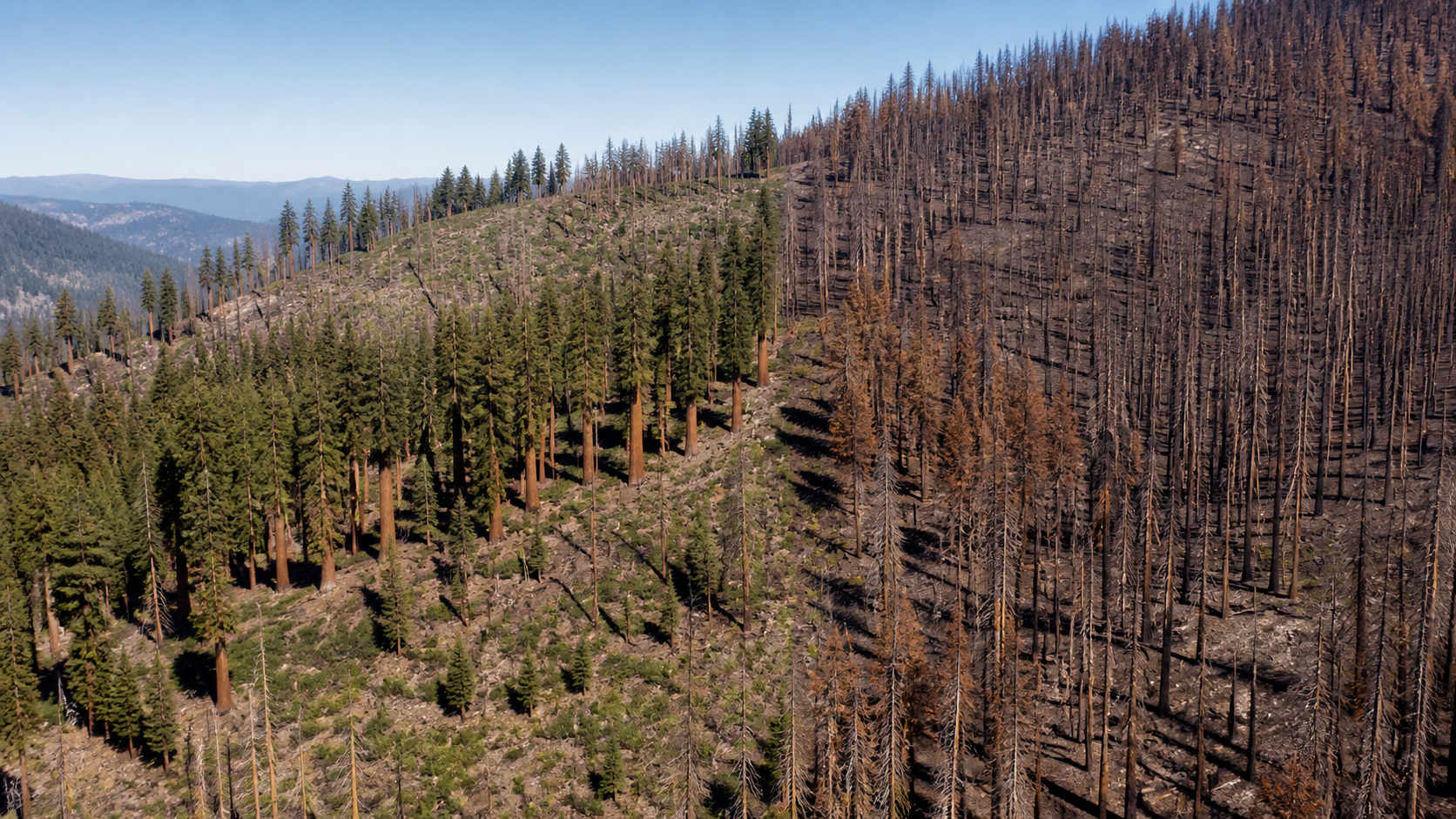
How to read 4 times
Not all trees in managed forests live, and not all trees in unmanaged forests die. Statistical survivability differences that take into account tree size, terrain, and drought and wildfire intensity. The subject of the study is the giant sequoia of California’s Sierra Nevada, so it cannot be directly applied to other tree species and regions.
Aren’t prescribed fires dangerous?
you’re right. Misjudging wind, humidity, and fuel conditions can result in smoke damage or control failure. So you need permits, weather standards, firefighting personnel and emergency plans. The findings show the long-term effects of professional forest management rather than guidance to individuals to set fires.
What to check next
Researchers believe treatment cycles and methods may need to be adjusted as the climate becomes drier. Prescribed fire alone cannot eliminate all hazards; a combination of mechanical fuel removal, wildfire response and forest restoration is needed.