WORLD NEWS
An Abu Dhabi jaw offers a clue to ancient civet migration
Researchers have identified a roughly seven-million-year-old Abu Dhabi jaw as a new genus and species of civet.
The first definitive viverrid fossil from Arabia supports a route linking Asian and African populations.
Found in February, published on November 10
The study by Alberto Valenciano and colleagues at the Natural History Museum Abu Dhabi appeared in Fossil Record on November 10, 2026. The National interviewed the researchers for a November 21 account of the discovery. This is not a fossil excavated today.
Four pieces helped identify a new species
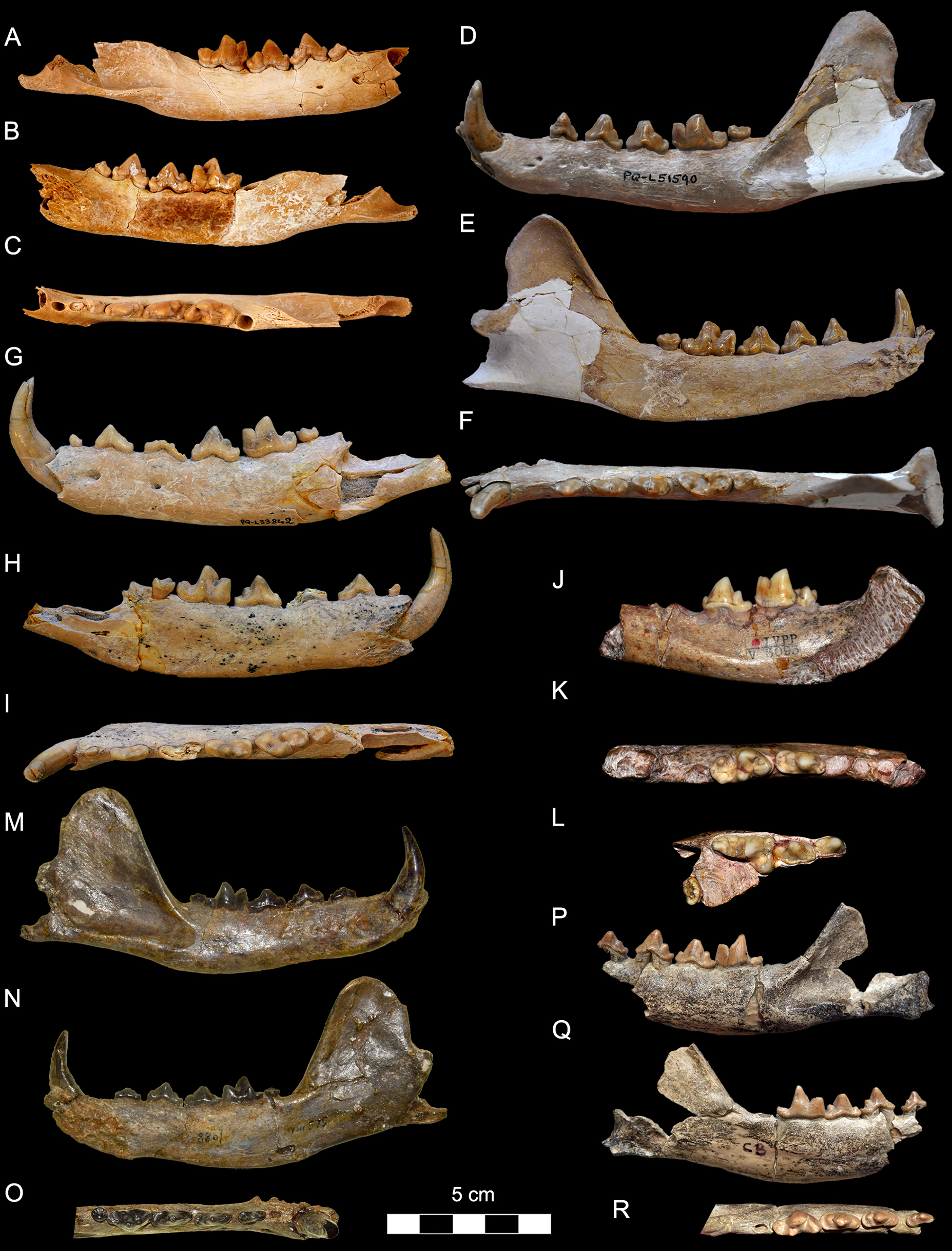
The specimen came from Shuwaihat 2 in February 2026. Researchers compared the right lower jaw, broken into four parts, and its surviving teeth before naming it Promegaviverra abudhabiensis. Civets belong to the viverrid family, a group of carnivorous mammals distinct from the cat family.
Teeth help bridge a gap between continents
The comparisons included a shallow jaw body and elongated premolars. An analysis comparing anatomical traits placed the animal as an early relative of the lineage containing Megaviverra and living Civettictis. Its presence in Arabia around seven million years ago narrows a geographical and chronological gap between South Asian and African fossils.
What does the jaw leave unresolved?
A lower jaw is not a whole skeleton. It supports intercontinental dispersal, rather than tracing one animal’s journey. The paper’s description of specimen NHMAD2026.00059.1 and its comparison figures show the basis for the classification. More fossils could refine the proposed relationships and distribution.
Primary sources and independent checks
The comparisons included a shallow jaw body and elongated premolars. An analysis comparing anatomical traits placed the animal as an early relative of the lineage containing Megaviverra and living Civettictis. Its presence in Arabia around seven million years ago narrows a geographical and chronological gap between South Asian and African fossils.: Valenciano, Beech & Bellucci (2026), Fossil Record
The study by Alberto Valenciano and colleagues at the Natural History Museum Abu Dhabi appeared in Fossil Record on November 10, 2026. The National interviewed the researchers for a November 21 account of the discovery. This is not a fossil excavated today.: The National — researcher interviews