WORLD NEWS
Electron reaches launch 100 with a Japanese radar satellite
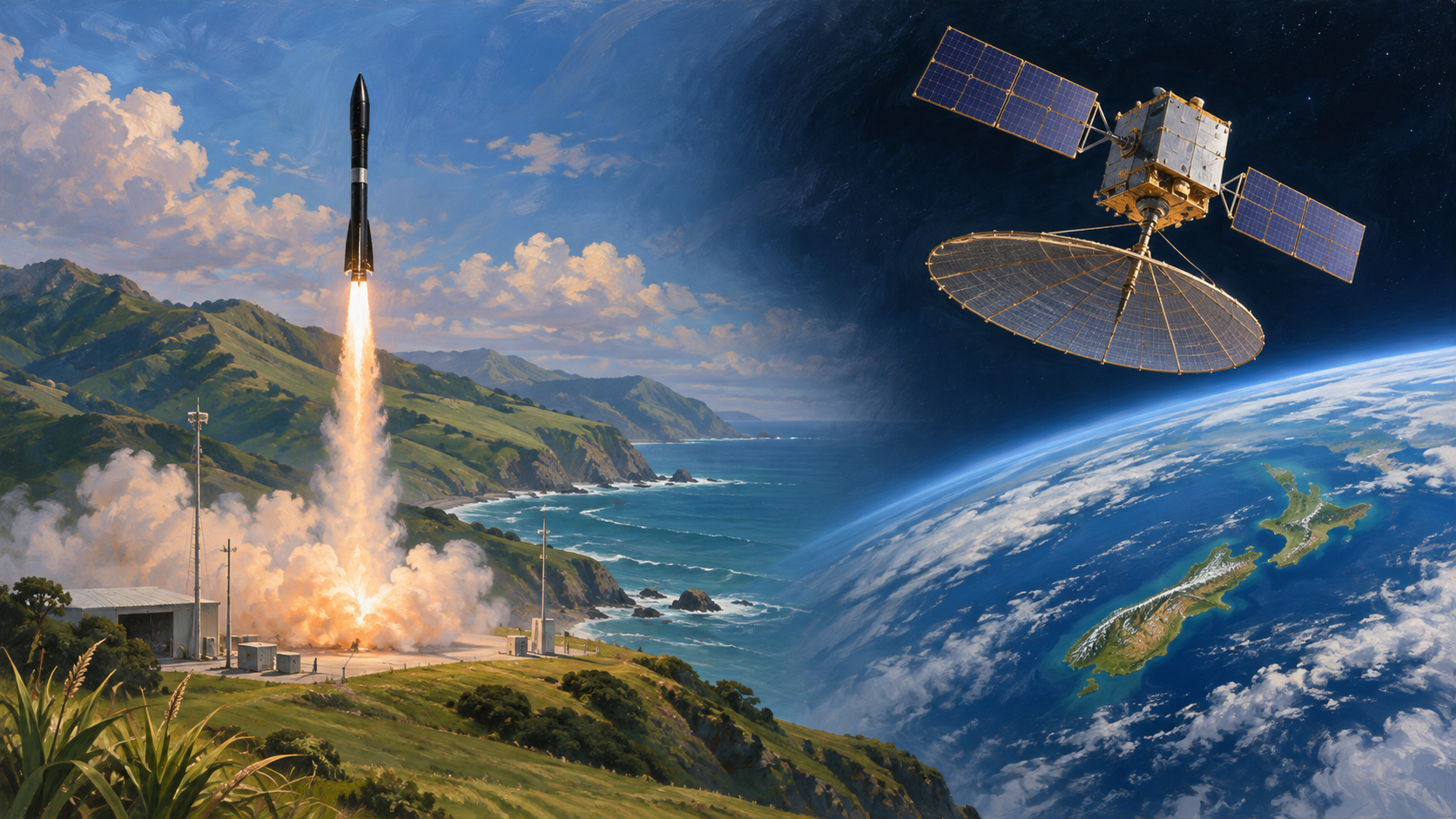
Rocket Lab completed its 100th Electron launch from New Zealand on November 14, sending a Japanese Earth-observation satellite into orbit.
The number counts launches; it does not mean 100 consecutive successes.
Where and when did it fly?
Liftoff took place at Launch Complex 1 in Mahia at 6:30 p.m. New Zealand time. In Japan and South Korea it was 2:30 p.m. on the same date. The mission was named The Mountain God Rises.
Did the satellite make contact?
The payload was iQPS’s QPS-SAR-19, nicknamed YAMATSUMI-II. The operator reported separation about 50 minutes after launch and first contact about eight minutes later. The target altitude was 575 km above Earth, rather than a journey to the Moon or another planet.
Why use radar to observe Earth?
The satellite sends radio waves and forms images from signals reflected by the surface. Unlike a camera that relies on sunlight, radar can observe at night and through cloud cover. Successful launch alone does not establish that an observation service is ready.
What does the century mark count?
Electron first flew on a test mission in May 2017. Rocket Lab announced this as Electron launch 100, but that first flight failed to reach orbit. A cumulative launch count must not be read as a success rate or proof that every flight placed a satellite in orbit.
What comes after deployment?
iQPS separately reported successful antenna deployment on the evening of November 14. It said preparations for the first Earth-observation data would follow calibration. The notices reviewed do not establish actual image quality or the start of routine service; follow-up operational announcements remain the next evidence to watch.
Primary sources and independent checks
Operator: launch and first contact: iQPS
Operator: antenna and calibration: iQPS
Independent flight report and count limitations: Space.com