WORLD NEWS
Swift telescope reenters after nearly 22 years of observations
NASA’s Swift space telescope reentered the atmosphere on November 4, 2026, ending its activity in orbit.
That confirms the spacecraft’s return, not confirmed damage on the ground or the disappearance of its archived observations.
A two-year design became a much longer mission
Launched in November 2004, Swift was initially designed for two years. It operated far longer, detecting brief, powerful events such as gamma-ray bursts and alerting other observatories to their locations. Its longevity left a record of a changing universe as well as a story about durable hardware.
A boost attempt and the final descent
An effort to raise the spacecraft into a higher orbit did not succeed. As its orbit fell, atmospheric effects increased until reentry. Aerospace’s CORDS, which separately tracked orbital information, also confirmed the November 4 return over Southeast Asia. This confirmation alone does not establish the detailed cause of the servicing failure.
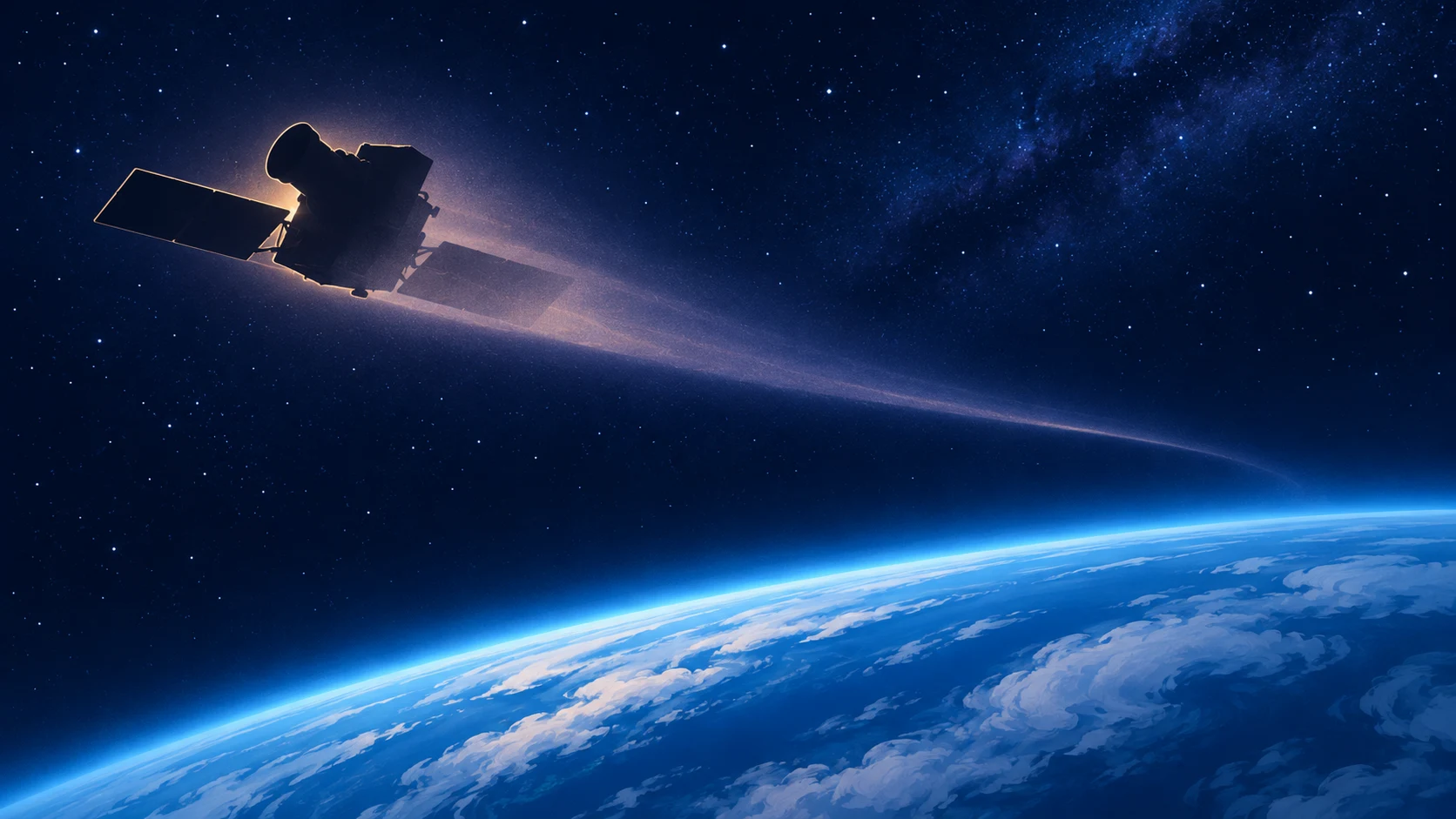
Reentry location is not a debris impact site
NASA placed reentry over North Sumatra, Indonesia. A position in the atmosphere does not identify where any surviving fragment reached the ground. Circulating videos require separate authentication; neither they nor a predicted risk estimate establish actual damage. A forecast and a count of observed harm answer different questions.
The archive outlives the observing spacecraft
New observations have ended, but researchers can continue analyzing existing data. Follow NASA’s mission archive and subsequent notices for further information. New debris or damage claims should identify the confirming authority and time. The event closes a long-running instrument’s operations, rather than ending space observation as a whole.
Primary sources and independent checks
Primary: November 4 update confirming reentry and original mission: NASA
Independent check: tracking or mission context; shared tracking data are not an independent measurement: Aerospace CORDS
Independent check: tracking or mission context; shared tracking data are not an independent measurement: Space.com
Read in other languages
한국어 · English · Español · 日本語 · Tiếng Việt