WORLD NEWS
Forty-one African countries report early-warning systems; the new test is whether warnings reach people
Forty-one African countries now report on early-warning systems and their comprehensiveness has more than doubled since 2022, WMO said on September 7. More than 400 participants from over 50 countries called for measuring whether warnings reach the last mile and trigger action.
This does not mean every African resident is protected, and the call is not legally binding. Observing networks, communications, mandates and sustainable finance remain weakest in fragile states, island states and least-developed countries.
What does 41 mean?
It counts countries reporting against early-warning indicators, not universal coverage of every hazard and person.
What is the new performance test?
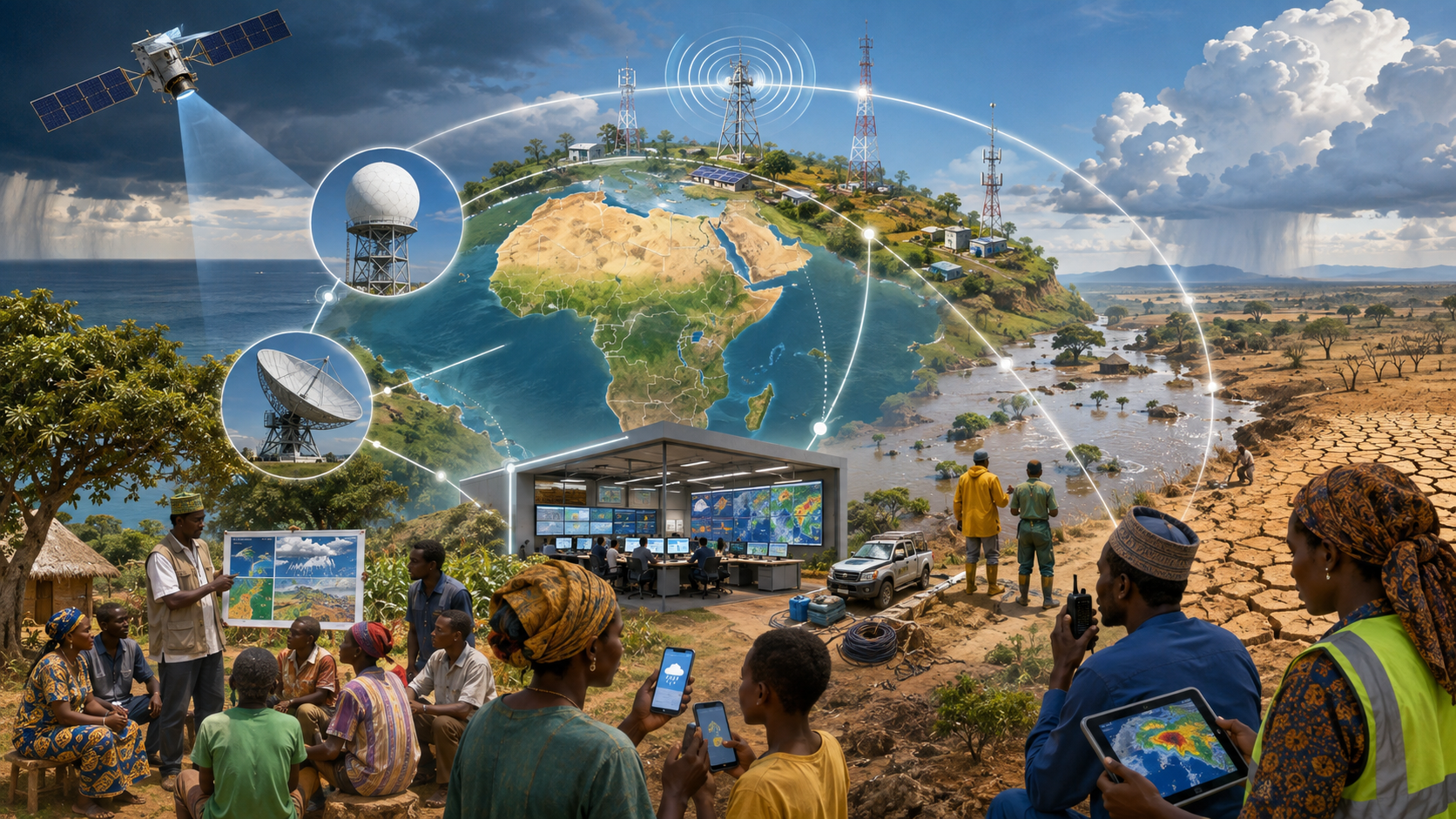
Measure timely receipt, understanding, action and reduced losses, using mobile alerts, radio, television, local leaders and community networks together.
When should money move?
The call proposes laws and budgets that release pre-arranged finance when forecast triggers are met, before impacts occur.
Are AI and phones enough?
No. AI, satellites and cell broadcast require representative data, cybersecurity, staff and maintenance; radio and trusted human networks remain essential.
What comes next?
The UN target year is 2027, treated as a milestone. Country budgets, reach rates, action and avoided losses will show whether progress is real.
Primary sources and independent checks
Read in other languages
한국어 · English · Español · 日本語 · Tiếng Việt