WORLD NEWS
Europe’s largest industrial CCS chain starts moving Dutch CO₂ to Norwegian storage
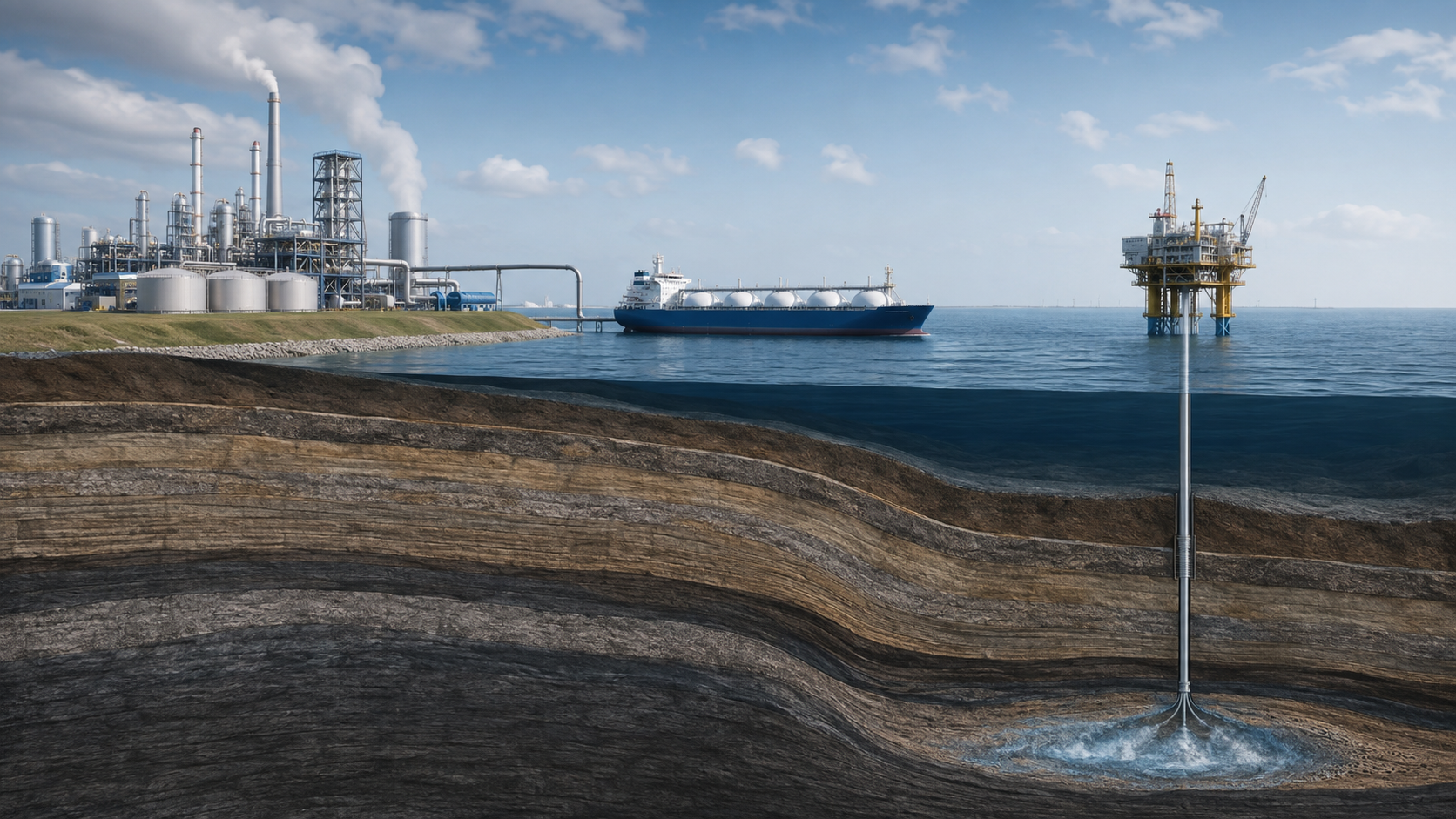
A cross-border industrial carbon-capture chain began operating on September 7: CO₂ from Yara’s ammonia and fertiliser plant in Sluiskil, the Netherlands, will travel by ship to permanent storage under the Norwegian North Sea. Its designed capacity is up to 800,000 tonnes a year.
“Up to 800,000 tonnes” is capacity, not a verified annual reduction from day one. Performance depends on uptime, transported and injected volumes, leakage monitoring and energy used by the chain.
Where does the CO₂ come from?
It is separated from a concentrated process stream in ammonia production. It does not capture every plant emission or emissions from fertiliser use.
How does it cross borders?
Liquefied CO₂ travels by ship to Øygarden and then by pipeline to a saline formation about 2,600 metres below the seabed.
How large is 800,000 tonnes?
It is an annual ceiling confirmed by EU and Norwegian sources: material for one plant, but limited beside total European emissions.
Why does policy care?
The project joins capture, shipping, terminal access, permits and long-term storage across borders for a hard-to-electrify industry.
What comes next?
Verify annual capture, shipments, injection, pressure and leakage monitoring, energy use and cost. Start-up is not final proof of long-term performance.
Primary sources and independent checks
Read in other languages
한국어 · English · Español · 日本語 · Tiếng Việt