WORLD NEWS
WMO warns wildfire smoke and heat-driven ozone can erode clean-air gains
The World Meteorological Organization warned on September 7 that wildfire smoke and heatwaves can undermine air-quality improvements. In 2025, PM2.5 was above its long-term average in northern Canada, parts of Russia and western-central Africa because of increased fire activity.
The bulletin does not say air worsened everywhere. China remained below average as human-caused emissions declined, and Amazon burning was relatively lower than in previous years. Monitoring gaps and model uncertainty remain.
Why is wildfire smoke different?
Fine particles can travel far and penetrate deep into lungs. Extreme smoke events have tripled globally since the 1990s, according to a study cited by WMO.
What does nearly 100,000 mean?
It is an estimate of additional annual deaths linked to extreme fire smoke in 2010–2018, not a direct count from one fire or an individual risk.
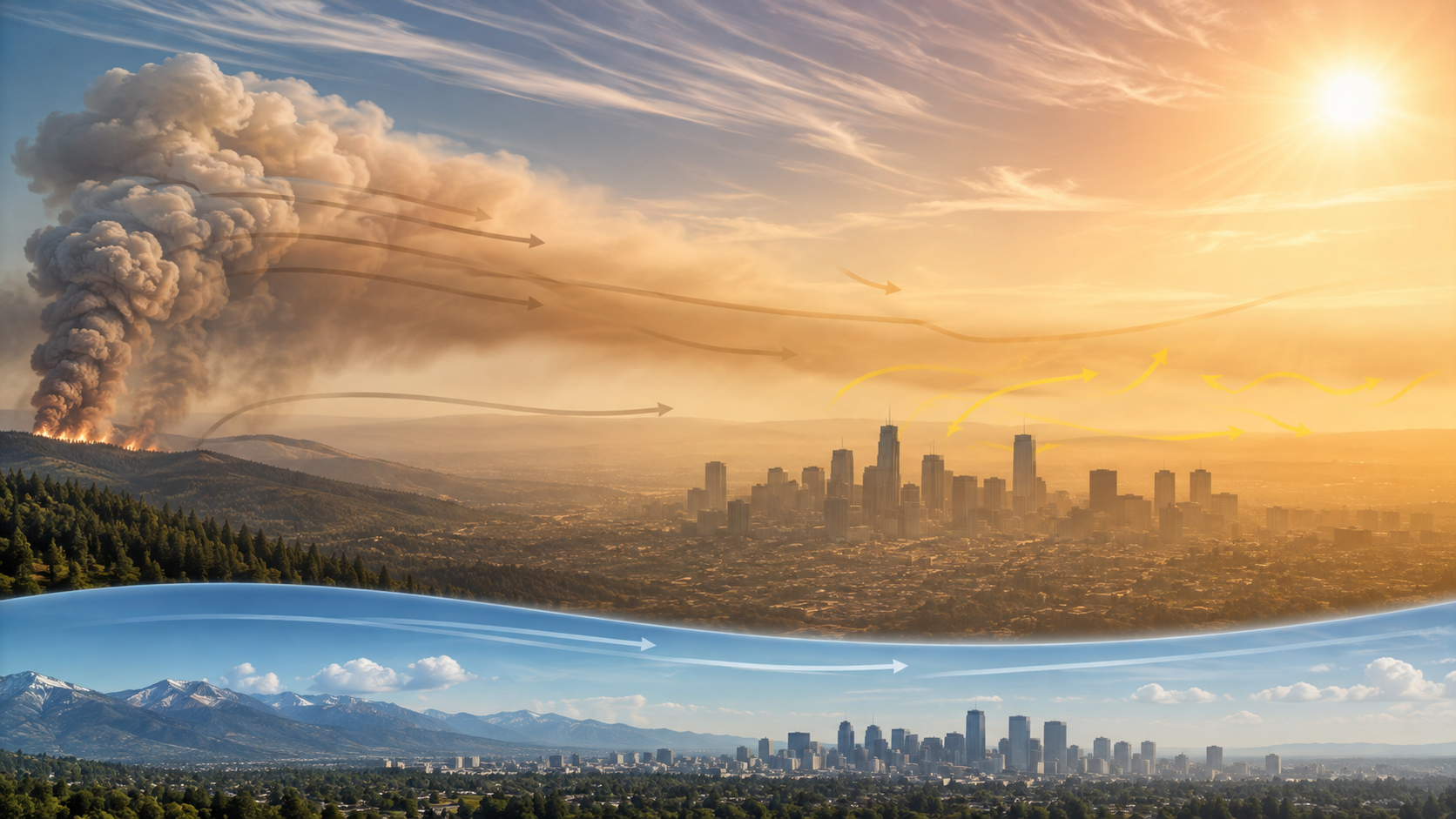
How does heat raise ozone?
Heat, stagnant air and sunlight promote harmful ground-level ozone. It differs from protective stratospheric ozone and affects health, crops and ecosystems.
Why not rely on one map?
Four models broadly agreed on patterns, but sustained observations remain insufficient, especially for microplastics and local peaks.
What should readers check?
Use real-time local air-quality and health advice during fires and heatwaves. Global trends do not replace local exposure guidance.
Primary sources and independent checks
Read in other languages
한국어 · English · Español · 日本語 · Tiếng Việt