WORLD NEWS
France averaged 24.0°C in summer 2026, its hottest since records began in 1900
Météo-France reported on September 3 that France’s nationwide 24-hour mean temperature for June through August 2026 was 24.0°C, the highest since records began in 1900. It was 3.6°C above the reference average and about 0.9°C above the previous record set in summer 2003.
The 24.0°C figure is not a daytime high or the reading from one city; it combines day and night temperatures across the country. Heatwaves, drought and wildfires were all severe, but this temperature record alone cannot provide a final summer health toll or prove a single cause for every event.
How far did the records move?
France recorded 53 heatwave days across three episodes, 20 more than the previous annual record of 33 in 2022. Ninety percent of the country reached at least 35°C once, and 45% reached at least 40°C. The main observing network logged 178 readings above 40°C, more than twice the 88 recorded in 2003.
Rainfall and soils were also exceptional
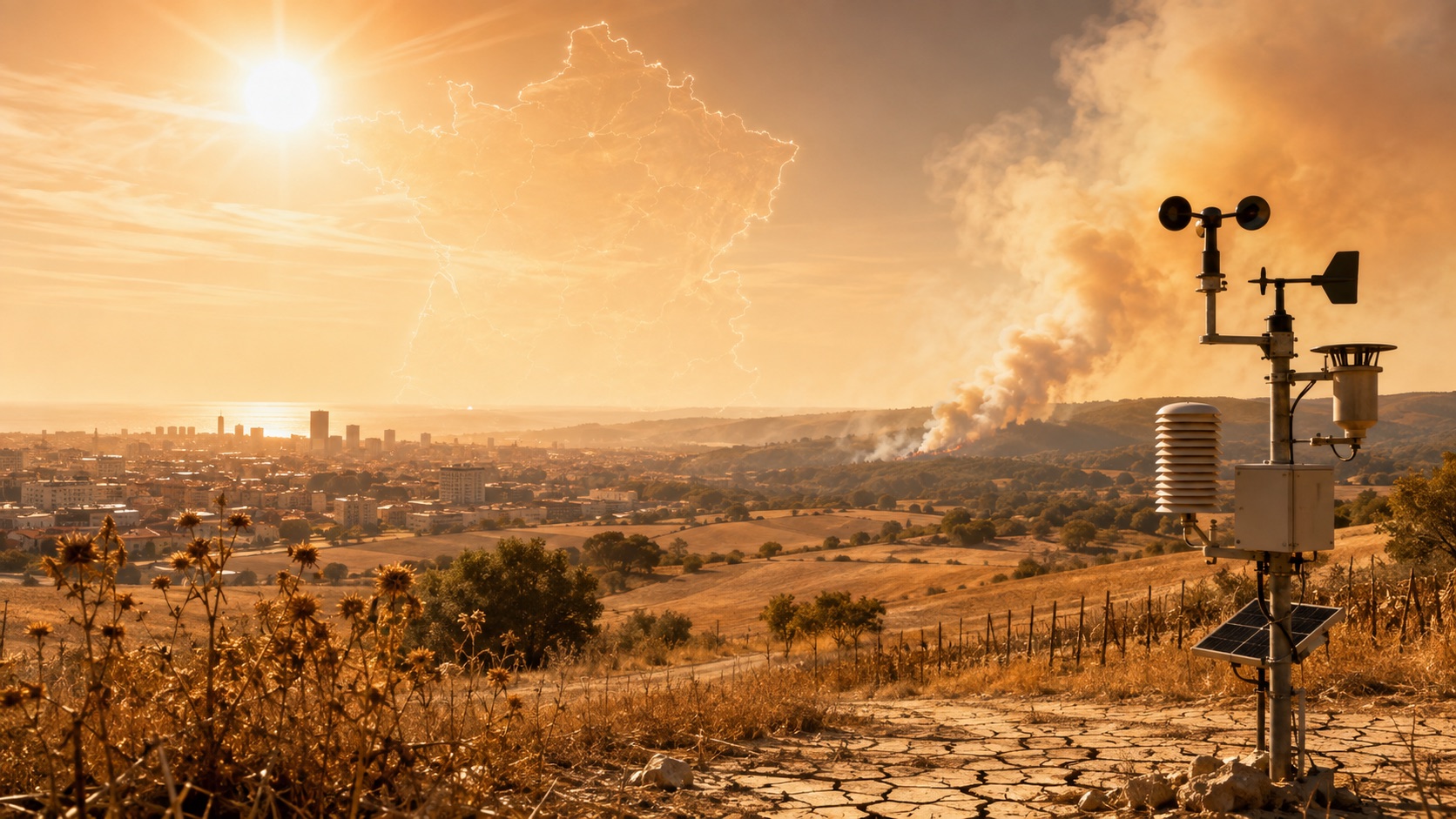
Summer rainfall was about 40% below average, making it the second-driest summer in the record. Nationwide soil moisture fell to an unprecedented low, while sunshine exceeded average levels by more than 20%, tying 1949 for the sunniest summer. High temperatures, scarce rain and dry vegetation prolonged wildfire danger.
What impact on daily life has been confirmed?
France’s public health agency counted 78 departments, representing 78.5% of the mainland population, as exposed during the July 3–22 heatwave. This is not the final health total for the whole summer. Mortality and emergency-care data are assessed separately against reference periods after alerts end, so they should not be treated as the same measure as the temperature record.
How much of the wildfire toll is confirmed?
The government recognized the roughly 39,800-hectare Saumos fire on July 22 and the roughly 3,600-hectare Biscarrosse fire the next day as a major forest disaster. More than 240 buildings were damaged and over 250,000 people evacuated. Those two fire areas are not France’s final nationwide summer wildfire total.
How was the link to climate change described?
Météo-France assessed that a summer like this would have been virtually impossible without human-caused climate change. It remains rare in today’s climate, but extremes of this scale become less unusual as the average warms. The ignition of an individual fire or a particular person’s health outcome still requires separate evidence.
What should be checked next?
The climate report is a provisional summer assessment based on data available September 1. Rainfall, burned area and health impacts may be revised or finalized in later agency reports. The final seasonal report, public-health summer assessment and government wildfire totals should be checked separately.