WORLD NEWS
It is dangerous to go far even when the tide is out, French Atlantic coast contrast warning
Authorities in Charente-Maritime, France, asked coastal users to be cautious as the tide coefficient exceeded 100 from August 13th to 16th.
Although it is not the same as a storm warning, the tide may move in faster and wider than usual on low-lying coasts and mudflats, cutting off escape routes.
What is the number 102
The tide coefficient, used in France, is an indicator of how big the difference is between low and high tides. This period, the coefficient exceeds 100 and goes up to 102. The larger the number, the farther the water tends to drain and the higher it comes in, making it easy to misjudge the distance traveled when collecting tidal flats or walking along the coast.
Why times when the water is out can be more dangerous
The wide exposed bottom at low tide looks like safe land. However, there may be sections where the water fills up first from behind or becomes isolated like an island. Authorities advise people to check the tide tables, return early enough without waiting for high tide, and not to go out alone.
Who should be especially careful?
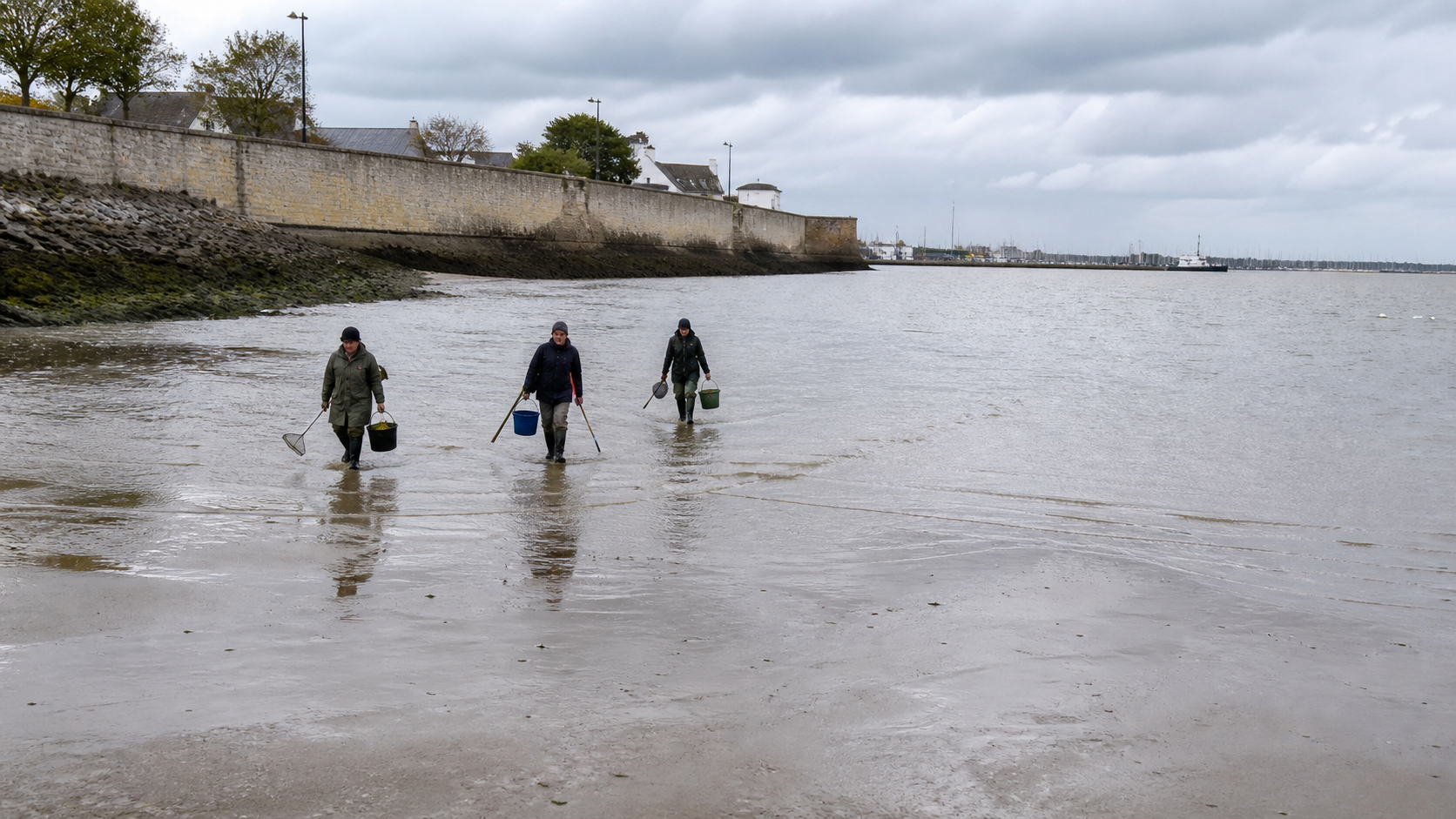
The main targets are walkers and clam collectors, those fishing from the rocky shores, swimmers and small boaters. Slippery rocks and strong currents are also hazards. Travelers who do not know the local terrain should not follow the same route just because someone else is out there.
There are rules for harvesting too.
The maximum limit of seafood harvested for personal use is 5 kilograms per person per day and cannot be sold. A minimum distance of 25 meters must be maintained from the boundaries of the farming area. For health and safety reasons, no-harvest areas and minimum sizes for each species must be identified. High tides do not relax harvesting rules.
What to do when in danger
The French maritime emergency number is 196. Make sure your phone is waterproof, has enough battery, and can describe your current location. Actual water levels may differ from tide tables due to wind, pressure and waves, so on-site controls and local authority guidance take precedence over tables.